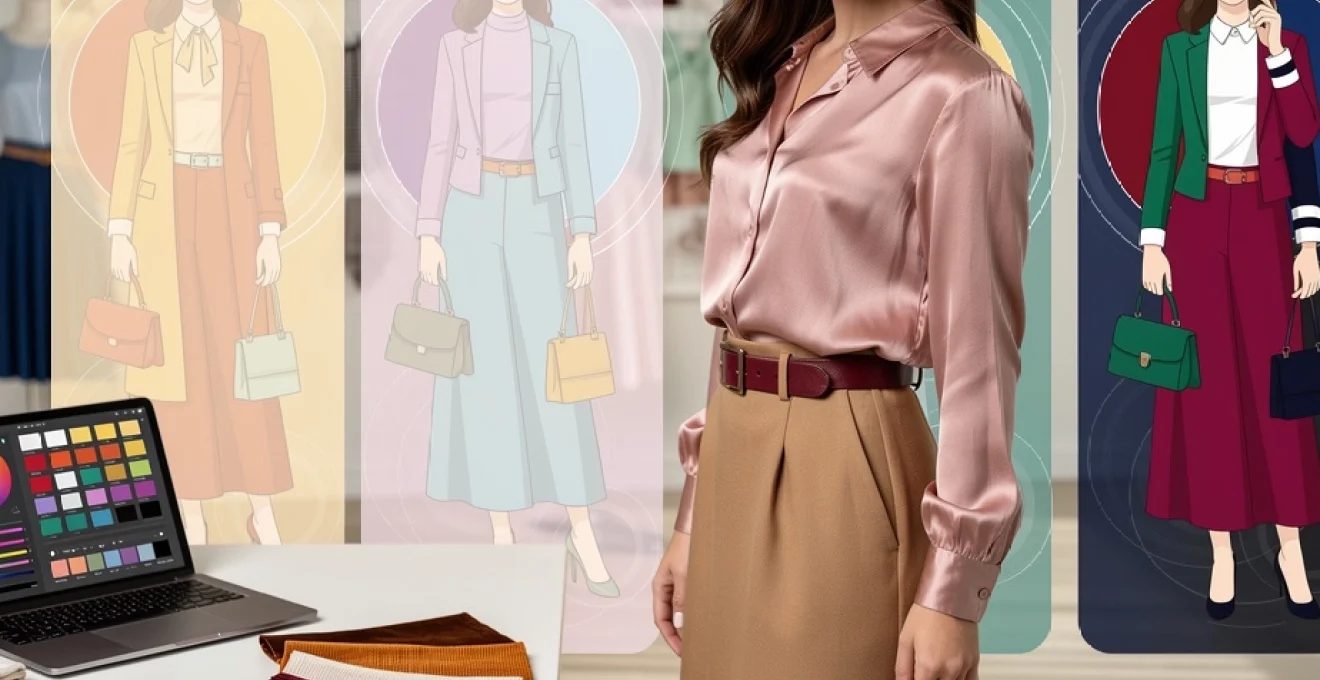
The art of combining colours transforms ordinary outfits into sophisticated ensembles that captivate and inspire. When thoughtfully curated, colour palettes serve as the foundation for creating feminine looks that express personality whilst maintaining elegance and refinement. Understanding how different hues interact, complement, and enhance one another enables you to build a wardrobe that feels both cohesive and dynamic.
Beyond mere aesthetic appeal, strategic colour coordination influences how others perceive you and how confident you feel in your clothing choices. The psychology of colour extends far deeper than personal preference, tapping into cultural associations, emotional responses, and visual harmony principles that have guided fashion designers for generations. Modern feminine styling embraces this complexity, offering endless possibilities for creative expression through carefully considered colour relationships.
Colour theory fundamentals for feminine fashion coordination
Mastering colour theory provides the essential framework for creating visually stunning feminine outfits that feel intentional and sophisticated. The principles governing how colours interact remain consistent whether you’re selecting a single statement piece or coordinating an entire wardrobe. Understanding these fundamentals enables you to make confident decisions about which colours to pair together and which combinations to avoid.
Complementary colour schemes using the munsell system
The Munsell colour system offers a scientific approach to understanding complementary relationships, where colours positioned directly opposite each other on the colour wheel create the most dynamic visual contrast. In feminine fashion, complementary pairings like coral and teal or lavender and yellow-green produce striking yet harmonious combinations. These high-contrast relationships work particularly well when one colour dominates the outfit whilst the other appears as an accent through accessories or detailing.
When implementing complementary schemes in feminine wardrobes, consider the intensity and saturation levels of each hue. Pairing a soft blush pink with a muted sage green creates a gentler interpretation of the red-green complementary relationship, whilst maintaining visual interest without overwhelming the wearer. This approach allows you to leverage the energy of complementary colours whilst preserving the refined aesthetic that characterises elegant feminine styling.
Analogous palettes with pantone seasonal references
Analogous colour schemes utilise colours that sit adjacent to each other on the colour wheel, creating naturally harmonious combinations that feel effortless and sophisticated. Pantone’s seasonal colour forecasts often highlight analogous relationships, such as the flowing progression from coral reef to sunset orange to golden yellow. These transitions create a sense of movement and warmth that particularly suits feminine styling approaches.
The beauty of analogous palettes lies in their inherent cohesion and the ease with which they can be layered and mixed. A wardrobe built around blue-violet, violet, and red-violet creates endless combination possibilities whilst maintaining a consistent aesthetic thread. This approach proves especially valuable for building capsule wardrobes where each piece must work harmoniously with multiple others.
Triadic combinations for dynamic visual balance
Triadic colour schemes employ three colours equally spaced around the colour wheel, offering a perfect balance between harmony and contrast. In feminine fashion, triadic combinations such as mint green, coral pink, and lavender create vibrant yet balanced looks that maintain sophistication. The key to successful triadic coordination lies in varying the proportions of each colour to prevent visual competition between the hues.
Professional stylists often recommend using one colour as the dominant base, another as the secondary tone, and the third as a small accent. This 60-30-10 rule ensures that triadic schemes enhance rather than overwhelm the wearer, creating outfits that feel intentional and polished. The dynamic nature of triadic relationships makes them particularly suitable for creative industries or occasions where you want to project confidence and creativity.
Monochromatic tonal variations in feminine wardrobes
Monochromatic dressing explores the full spectrum of a single colour family, from its palest tints to its deepest shades. This sophisticated approach to colour coordination creates elegant, cohesive looks that demonstrate refined taste and attention to detail. Monochromatic pink ensembles, ranging from barely-there blush
through mid-toned rose to deep berry, instantly communicate softness and polish while elongating the silhouette. Applying this principle to other hues, such as all-ivory ensembles or layered shades of lilac, creates feminine outfits that feel calm yet impactful. To avoid flatness, vary textures and finishes within the same colour family—combining satin, bouclé, and fine knitwear in coordinating tones adds depth without disturbing the serene monochromatic effect.
Monochromatic palettes are particularly effective in professional environments where you want to appear cohesive and composed without resorting to stark black. For example, pairing an oyster silk blouse with stone trousers and a dove-grey trench creates a nuanced, feminine alternative to the traditional suit. You can subtly shift the mood of a monochrome look by adjusting the undertone: cooler pinks and greys will feel more modern and minimal, while warmer blush and cream combinations read softer and more romantic. This deliberate control over tone allows you to tailor your feminine wardrobe to different contexts with ease.
Seasonal colour analysis applications in women’s styling
Seasonal colour analysis offers a structured way to identify which colour palettes naturally enhance your complexion, features, and overall presence. Instead of guessing which shades look best on you, this system organises colours into four main seasons—Spring, Summer, Autumn, and Winter—each with three subcategories that refine undertone, depth, and clarity. When you understand your season, creating feminine outfits that feel harmonious becomes far easier, because most pieces in your wardrobe will share a coherent colour DNA.
In practice, seasonal colour analysis helps you select lipstick shades, jewellery metals, and even hair colour that align with your natural colouring. This alignment creates a subtle but powerful effect: your skin looks fresher, your eyes brighter, and your outfits appear more intentional. While professional colour analysis provides the most accurate results, you can start experimenting by observing how your skin responds to warm versus cool tones and to soft versus vivid colours. Over time, you will see clear patterns that guide your feminine colour palette choices.
Spring palette integration with warm undertones
Women who fall into the Spring category typically have warm undertones, clear eyes, and a fresh, light-to-medium overall colouring. The most flattering feminine colours for Springs are warm, bright, and slightly yellow-based, such as peach, coral, warm aqua, light apple green, and creamy ivory. When Springs wear dusty, cool, or overly dark shades, their natural radiance can appear dulled, whereas light and lively hues make their skin glow.
To integrate the Spring palette into your wardrobe, prioritise warm neutrals like light camel, warm beige, and soft gold as the foundation for trousers, blazers, and handbags. Then, layer in accent pieces in shades such as melon, salmon pink, or light turquoise for blouses, knitwear, and dresses. If you enjoy pastel colours but worry about looking too “girly” at work, pair a peach blouse with a structured camel blazer and tan loafers—this combination feels feminine yet professional. A useful rule for Springs is to keep black near the face to a minimum and swap it for dark warm browns or deep teal for softer impact.
Summer colour harmonies for cool-toned complexions
Summer palettes suit women with cool undertones, softer contrast, and often ash tones in their hair. The ideal Summer colours are cool, muted, and slightly greyed, such as dusty rose, powder blue, soft lavender, and cool taupe. These shades echo a hazy, late-afternoon sky and create naturally gentle, feminine outfits. Strong primaries or very warm tones can overwhelm Summer complexions, making them look sallow or harsh.
For everyday dressing, Summers can build their feminine wardrobe around cool neutrals like soft navy, blue-grey, stone, and mushroom. These form a chic base for officewear and outerwear. To introduce colour, think in terms of watercolour rather than neon: a misty blue blouse, a lilac midi skirt, or a rose-pink silk scarf will all harmonise without shouting. Want to create a romantic date-night look without feeling overdone? Try a dusty mauve dress with silver jewellery and a grey cashmere wrap—the low-contrast, cool palette will amplify your elegance rather than your outfit.
Autumn palette mastery with rich earth tones
Autumn palettes flatter women with warm undertones and a richer, more golden overall colouring. The most harmonious feminine colours for Autumns are deep, earthy, and slightly muted, including terracotta, burnt orange, moss green, mustard, teal, and warm chocolate. These hues echo autumn leaves and forest landscapes, creating a grounded, sensual femininity rather than an airy or pastel one.
To master the Autumn palette, prioritise textured fabrics in warm earth tones: cognac leather, rust suede, olive cotton, and caramel wool immediately feel luxurious and sophisticated. Feminine outfits for Autumns do not need to be pastel to feel soft—think of a cinnamon wrap dress, a forest green silk blouse, or a deep teal pleated skirt. If you love pink but find cool baby pink unflattering, choose warm rose, coral, or salmon that includes a touch of gold. For professional settings, an olive blazer, cream blouse, and camel trousers create a polished, feminine look that feels both strong and approachable.
Winter colour schemes for high-contrast styling
Winter palettes belong to women with cool undertones and a naturally high contrast between hair, skin, and eyes. The Winter colour family includes crisp, saturated hues—fuchsia, royal blue, emerald, icy pink, true red, and pure white—that maintain their intensity even at darker values. These bold colours support dramatic, powerful feminine outfits that still feel refined when styled thoughtfully.
For wardrobe planning, Winters benefit from embracing ink navy, charcoal, black, and bright white as core neutrals. These colours echo the sharp contrast found in their natural colouring and provide a strong base for structured pieces like suits, coats, and tailored dresses. When you want to introduce softer femininity, choose icy versions of pink, lavender, or mint rather than dusty pastels; these maintain clarity and prevent your complexion from appearing grey. A classic Winter combination for leadership roles is a navy sheath dress with a white blazer and bold fuchsia lipstick—commanding yet distinctly feminine.
Designer-inspired colour palette interpretations
High-end designers consistently use colour to reinforce brand identity and mood, offering valuable lessons for curating feminine outfits. Think of how Dior plays with soft greys and blush tones to express quiet luxury, or how Valentino employs saturated reds and pinks to convey bold romance. Observing these runway palettes is like reading a visual language of emotion and intention, which you can then translate into your own wardrobe on a realistic budget.
To apply designer-inspired colour palettes, start by identifying the mood you admire—do you gravitate towards the ethereal pastels of Chloé, the sharp black-and-white contrasts of Chanel, or the jewel tones seen at Gucci? Once you have a reference point, recreate the essence rather than chasing exact pieces. For example, if you love Dior’s “New Look” femininity, build your outfits around dove grey, soft ivory, blush pink, and muted navy, using full skirts or peplum details to echo the silhouette. This approach allows you to benefit from the strategic colour thinking behind luxury fashion while keeping your wardrobe personal and wearable.
Fabric texture and colour interaction techniques
Colour never exists in isolation; the fabric it appears on can subtly transform its intensity, depth, and overall mood. A blush pink that looks delicate in matte cotton can appear far more glamorous in silk or velvet. Understanding how different textures interact with colour will help you intentionally choose fabrics that support the feminine message you want to communicate, whether that is soft romanticism, understated professionalism, or high-impact evening glamour.
As a general rule, fabrics that reflect more light—such as satin, silk, and metallic weaves—will make colours appear brighter and slightly lighter. Matte fabrics like cotton, linen, and wool absorb more light, giving colours a softer, more grounded feel. By strategically mixing these textures in one outfit, you can create visual hierarchy: the eye will naturally move first to reflective surfaces and then to matte ones, much like how a spotlight draws attention on a stage. This technique is especially useful when you want to highlight your face or a particular garment.
Silk sheen effects on colour perception
Silk and satin fabrics have a natural sheen that catches and reflects light, subtly shifting the perceived depth of a colour as you move. A silk rose blouse may appear lighter in direct light and deeper in shadow, creating a living, breathing quality that feels inherently feminine. This luminous effect can make even muted colours seem more luxurious and give pastel tones a sophisticated glow rather than a childish finish.
When working with silk in feminine outfits, consider how placement affects the overall impression. A silk camisole under a matte blazer draws the eye to the centre of the body, while a silk scarf near the face acts almost like a soft-focus filter, brightening the complexion. If you worry that bolder hues feel “too much” in day-to-day wear, choosing them in silk rather than in a flat synthetic can actually make them easier to wear; the way silk plays with light softens sharp edges and enhances fluidity.
Matte cotton and linen colour absorption properties
Cotton and linen, with their matte, absorbent surfaces, tend to make colours appear slightly more subdued and grounded. This quality is ideal for feminine wardrobes that prioritise effortlessness and approachability, especially in casual or warm-weather settings. A powder blue cotton shirt dress will read more relaxed and understated than the same hue rendered in satin, while a linen blush blazer can soften the formality of tailoring.
Because matte fabrics absorb light, they are excellent choices for highly saturated colours that might otherwise feel overpowering. For instance, a strong coral in a crisp cotton blouse can be vibrant without becoming glaring, and a rich teal linen skirt can anchor an outfit without looking heavy. If you are building a capsule wardrobe of feminine basics, prioritising matte cotton and linen in your best colours gives you a reliable foundation that pairs easily with more reflective textures.
Velvet and corduroy light reflection considerations
Velvet and corduroy possess a unique pile that reflects light directionally, creating depth and richness in colour. Think of velvet as the visual equivalent of a dimly lit cocktail bar—shades like burgundy, midnight blue, and forest green take on a mysterious, romantic character that feels inherently feminine. Because these fabrics bend and catch light, they can make dark colours appear more dimensional rather than flat or severe.
In practical styling, it often works best to treat velvet or corduroy as a focal point against simpler textures. A berry velvet blazer over a cream silk blouse and tailored trousers instantly elevates an evening outfit, while a dark rose corduroy skirt with a fine knit jumper adds tactile interest to daytime looks. Be mindful of fit and silhouette, as the visual weight of these fabrics can add volume; clean lines and simple cuts will keep your feminine palette looking intentional rather than costume-like.
Metallic thread integration with base colour schemes
Metallic threads and finishes—whether in jacquard fabrics, lurex knits, or subtle embroidery—act like jewellery woven into the textile itself. Gold, silver, and rose-gold accents can alter how we perceive the base colour, often warming or cooling it in the process. A soft blush knit shot through with rose-gold metallic yarn will feel warmer and more romantic, whereas a pale blue jumper with silver flecks leans cooler and more ethereal.
When integrating metallic elements into feminine outfits, think of them as amplifiers rather than the main event. Choose metallics that align with your seasonal palette—gold with warm Springs and Autumns, silver and icy metallics with cool Summers and Winters—to maintain cohesion with your colouring. Used strategically on cuffs, necklines, or as subtle pattern highlights, metallic threads can draw attention towards your face and add occasion-ready polish without needing heavy accessories. This is particularly helpful for travel or busy schedules, where a single piece can transition from desk to dinner with minimal changes.
Cultural and historical feminine colour traditions
The association between certain colours and femininity is not fixed; it has shifted significantly across cultures and historical periods. For example, in the early 20th century, pink was often marketed for boys as a strong, warm version of red, while blue was considered delicate and suitable for girls. Today, of course, these associations have largely reversed in Western culture, demonstrating how fluid and socially constructed colour meanings can be. Recognising this context helps you approach feminine colour palettes with more freedom and nuance.
Across different regions, you will also find diverse interpretations of what constitutes a “feminine” colour. In parts of South Asia, vibrant fuchsia, saffron, and jade are traditional in women’s dress, while in Japan, pale cherry-blossom pink holds strong cultural symbolism around spring and renewal. In European fashion history, soft pastels were associated with aristocratic leisure in the 18th century, whereas the tailored, neutral palette of the 20th-century “working woman” reflected new roles in public and professional life. By understanding these layers, you can intentionally borrow from various traditions to craft feminine outfits that feel personally resonant rather than dictated by current trends.
Digital colour matching tools for wardrobe planning
Modern digital tools make it easier than ever to design and test feminine colour palettes before you commit to purchasing new pieces. Colour analysis apps, digital swatch libraries, and virtual wardrobe planners allow you to experiment with complementary, analogous, and monochromatic combinations on screen. This is especially helpful if you are building a capsule wardrobe or transitioning your style, as you can preview how new items will interact with your existing collection.
Just as designers rely on software to test colourways for collections, you can use similar tools to refine your everyday outfits. Consider using apps that extract a palette from a favourite dress or scarf, then suggest matching or contrasting colours for shoes, bags, and outerwear. You might also photograph your current garments and upload them into a digital wardrobe platform, which can then generate coordinated looks based on colour harmony principles. By treating your wardrobe like a curated design project, you gain clarity, reduce impulse purchases, and steadily build a collection of feminine outfits that feel cohesive, flattering, and true to your personal brand.