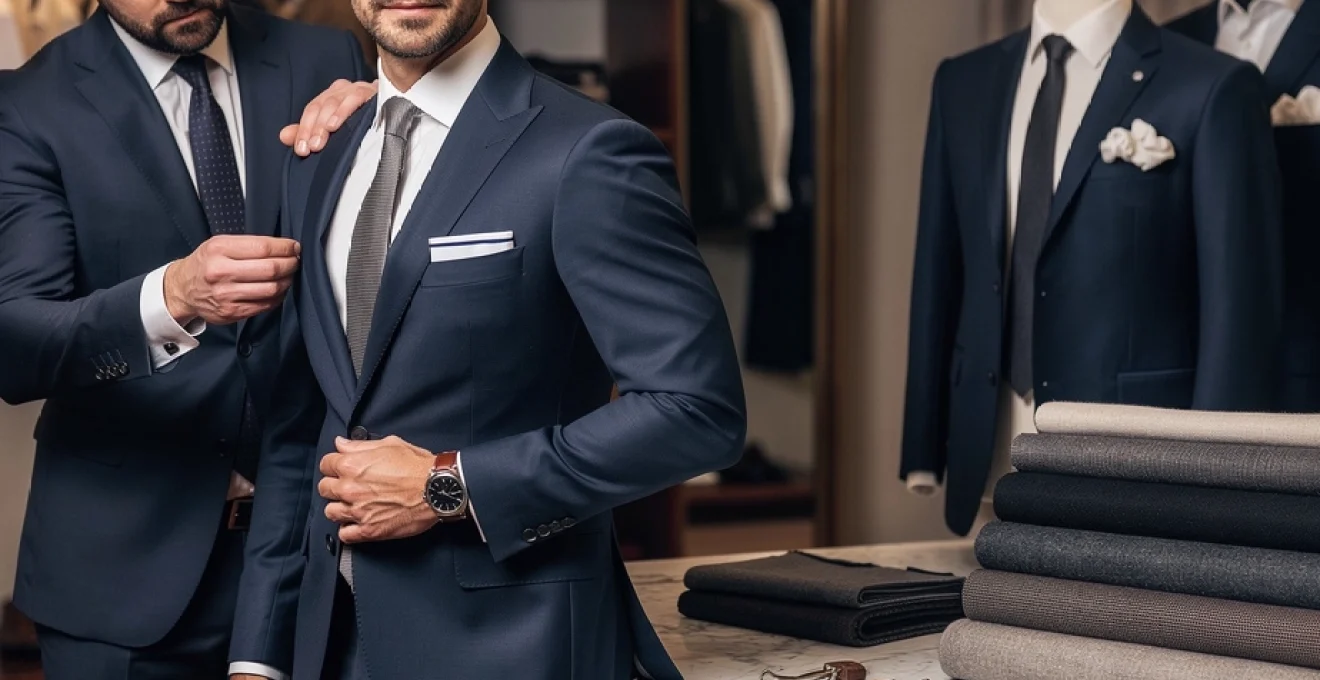
The distinction between ordinary and extraordinary dressing lies in the minutiae—those imperceptible details that transform a collection of garments into a cohesive, sophisticated ensemble. These subtle elements operate beneath the surface of conscious observation, creating an immediate impression of refinement and intentionality. True sartorial excellence emerges not from expensive labels or trend-driven pieces, but from the careful orchestration of fabric selection, construction quality, proportion management, and thoughtful accessorising. Understanding these foundational principles enables you to develop a distinctive personal style that communicates confidence and attention to detail without ostentation.
Mastering the art of standout dressing requires appreciation for craftsmanship traditions, colour theory applications, and the delicate balance between classic principles and contemporary sensibilities. The most memorable outfits achieve their impact through strategic choices that enhance rather than overwhelm, creating visual harmony whilst expressing individual personality. Professional presentation demands more than simply following fashion guidelines—it requires developing an instinctive understanding of how different elements interact to create the desired impression.
Fabric selection and textile quality assessment for premium garments
The foundation of any exceptional outfit begins with fabric quality, yet many overlook this crucial element in favour of more obvious details. Premium textiles possess distinctive characteristics that immediately distinguish them from inferior alternatives: superior drape, enhanced durability, and refined texture that improves with age rather than deteriorating. Discerning fabric selection requires understanding both technical specifications and practical performance across different wearing conditions.
Natural fibre composition analysis: merino wool, cashmere, and egyptian cotton
Natural fibres provide unmatched performance characteristics that synthetic alternatives cannot replicate. Merino wool offers exceptional temperature regulation, moisture-wicking properties, and natural odour resistance whilst maintaining a luxurious hand feel. The fibre diameter, typically measured between 18-24 microns for premium grades, directly influences softness and wearing comfort. Authentic merino sourced from specific regions—particularly Australian and New Zealand farms—demonstrates superior consistency and quality control.
Cashmere represents the pinnacle of luxury fibres, derived exclusively from the soft undercoat of cashmere goats. Genuine cashmere exhibits remarkable warmth-to-weight ratios, requiring only thin layers to provide substantial insulation. The finest cashmere, graded at 14-16 microns, originates from Mongolia and Inner Mongolia, where harsh climate conditions produce the densest, softest fibres. Quality cashmere garments improve with wear, developing a characteristic lustre and handle that mass-produced alternatives cannot achieve.
Thread count and weave density impact on garment durability
Thread count significantly influences both the tactile experience and longevity of garments, yet higher numbers don’t automatically indicate superior quality. Egyptian cotton shirts with thread counts between 200-400 typically provide the optimal balance of breathability, durability, and comfort. Excessively high thread counts can create fabric that feels artificially smooth but lacks the natural texture that characterises premium cotton weaves.
Weave density affects how fabrics behave during wear and cleaning cycles. Tightly woven fabrics resist wrinkles and maintain their shape better, whilst looser weaves offer enhanced breathability and casual drape. Understanding these characteristics enables more informed purchasing decisions and appropriate garment care strategies.
Seasonal fabric weight selection for Climate-Appropriate styling
Seasonal appropriateness extends beyond colour coordination to encompass fabric weight and weave structure. Summer suiting requires fabrics weighing 7-9 ounces per yard, utilising loose weaves like hopsack or fresco that promote air circulation. These lighter constructions maintain professional appearance whilst providing necessary comfort during warmer months.
Winter fabrics, typically weighing 11-14 ounces per yard, incorporate denser weaves and may include subtle texture variations like herringbone or bird’s eye patterns. Transitional seasons benefit from mid-weight fabrics around 10-11 ounces that offer versatility across varying temperatures. Understanding fabric weights enables strategic wardrobe building that performs effectively across different climatic conditions.
Luxury textile brand recognition: ermenegildo zegna and holland & sherry
Beyond fibre type and fabric weight, recognising reputable textile mills is a reliable shortcut to assessing garment quality. Names such as Ermenegildo Zegna and Holland & Sherry have become synonymous with luxury suiting fabrics, thanks to decades of technical innovation and rigorous quality control. When a tailor or ready-to-wear label specifies that a suit is cut from Zegna or Holland & Sherry cloth, it usually signals meticulous fibre selection, consistent dyeing, and advanced finishing processes that enhance drape and comfort.
Ermenegildo Zegna is renowned for its superfine merino wool fabrics, often ranging from Super 110s to Super 150s and beyond, which balance softness with structural integrity. Holland & Sherry, founded in 1836 on Savile Row, specialises in high-twist worsteds, flannels, and luxury blends including cashmere and silk. Both mills invest heavily in research on weave density, wrinkle resistance, and long-term durability, meaning garments cut from their cloth often retain their shape and colour significantly longer than mass-market alternatives.
As you refine your wardrobe, learning to read cloth labels becomes as important as understanding brand logos. Ask your tailor which mill produced the fabric, and do not hesitate to request swatch books to compare hand feel, weight, and finish. Over time, you will notice that premium mills offer fabrics that feel more substantial yet more comfortable, with subtle depth of colour that makes even simple navy or charcoal suits appear richer and more intentional.
Precision tailoring techniques and construction methods
Once fabric is selected, construction quality determines how elegantly a garment sits on the body and how well it withstands regular wear. Precision tailoring is where standout outfits truly separate themselves from standard off-the-peg dressing; well-executed seams, balanced proportions, and smart reinforcements quietly improve posture and silhouette. While some details are visible to the naked eye, others reveal themselves only through movement, comfort, and longevity.
Understanding the fundamentals of tailoring techniques allows you to evaluate garments beyond surface aesthetics. You begin to notice whether a jacket collar hugs the neck cleanly, whether trouser creases fall straight, and whether buttonholes function smoothly. These seemingly minor construction decisions collectively create the impression of a made-to-measure outfit, even when the piece is ready-to-wear.
Hand-stitched lapel construction and canvas interfacing
The lapel is one of the first indicators of tailoring quality because it frames the chest and directs attention towards the face. In premium tailoring, lapels are often attached using hand stitching, which allows for subtle shaping known as roll. Rather than lying flat and rigid, a hand-stitched lapel curves gently from collar to buttoning point, creating a soft, three-dimensional line that signals craftsmanship.
Equally important is what you cannot see: the internal canvas. High-quality jackets use a horsehair or blended canvas layer between the outer fabric and lining to provide structure. A full canvas construction runs from the shoulders through the entire front, moulding to your body over time like a fine pair of leather shoes. By contrast, fused jackets rely on glued interlinings that can bubble, delaminate, and restrict natural movement.
How can you assess this when shopping? Gently pinch the fabric at the chest between finger and thumb; if you feel a separate floating layer, it is likely canvassed rather than fused. While full canvas tailoring comes at a higher initial cost, the improved drape, breathability, and longevity often justify the investment, especially for workhorse items such as navy or charcoal suits.
Functional buttonhole placement and surgeon’s cuff implementation
Buttonholes may appear decorative, but their execution reveals how carefully a garment has been constructed. On high-quality jackets, buttonholes are cleanly cut, tightly stitched, and often finished by hand, creating a dense, slightly raised border that resists fraying. Precise placement along the jacket front ensures that the garment closes smoothly without pulling or gaping, maintaining a clean line through the torso.
The so-called surgeon’s cuff—functional sleeve buttonholes—has long been associated with bespoke and high-end tailoring. Originally designed so doctors could roll up their sleeves without removing their jackets, functioning cuffs now serve as a subtle signal of craftsmanship and attention to detail. When sleeve buttons can be undone, it also allows for fine adjustments and more natural movement at the wrist.
However, practical considerations remain important. Functional cuffs make sleeve-length alterations more complex, so it is wise to ensure the sleeve length is correct at purchase or to work with a skilled alterations tailor. When executed correctly, surgeon’s cuffs offer both aesthetic refinement and everyday comfort, helping your jacket look intentional even when your wrists are exposed while typing or gesturing.
Trouser break proportions and hem weight distribution
Trousers often receive less attention than jackets, yet they significantly influence overall silhouette. The break—where the trouser hem meets the shoe—determines whether your look appears contemporary, classic, or sloppy. A full break, with substantial fabric pooling on the shoe, can make even premium cloth look untidy, while a no-break hem that just kisses the top of the shoe creates a clean, modern line.
For most professional contexts, a slight break works best: the front of the hem just touches the shoe, with minimal creasing, and the back falling fractionally longer. This proportion elongates the leg without appearing overly tight or fashion-driven. Because body height, shoe shape, and personal style all play a role, working with a tailor to find your ideal trouser break is one of the most effective ways to elevate everyday outfits.
Hem finishing also matters. A modestly weighted hem—sometimes achieved with a small strip of tape or a cuff—encourages the trousers to hang straight rather than catching and riding up. Cuffed hems, typically 3–5 cm deep, add visual weight that grounds the outfit and works particularly well with heavier fabrics such as flannel. Paying attention to these nuances ensures your trousers support, rather than disrupt, the harmony of your overall silhouette.
Bespoke fitting adjustments: savile row traditional methods
At the highest level of tailoring, bespoke fitting involves an iterative process of measurements, paper patterns, and multiple fittings to sculpt the garment to your unique body. Traditional Savile Row methods, for example, begin with over 20 individual measurements and posture observations, from shoulder slope to hip balance. The cutter then drafts a unique pattern, which is refined through baste fittings where the garment is loosely assembled with temporary stitching for adjustment.
Even if you opt for made-to-measure or off-the-rack, understanding bespoke principles helps you request smarter alterations. Tailors trained in these methods can subtly adjust jacket waist suppression, shoulder pitch, and back length to improve balance without compromising structure. A slight reduction at the jacket waist, combined with clean lines through the back and sleeves, can visually remove kilograms and create a more athletic, upright stance.
Think of bespoke-inspired adjustments as micro-sculpting for your wardrobe. Rather than relying on extreme trends or bold prints to stand out, you allow precise fit to do the work. A well-balanced jacket and correctly aligned trousers communicate quiet confidence, suggesting that your clothes were made for you rather than borrowed from someone else’s wardrobe.
Colour theory application and tonal coordination systems
Colour may appear intuitive, yet the most successful outfits apply underlying principles of colour theory and tonal coordination. Instead of relying on guesswork, you can use structured approaches—such as analogous, complementary, and monochromatic schemes—to create harmony. These frameworks help you build standout outfits through subtle details like repeating accent tones or shifting between light and dark values within the same colour family.
One effective method is to limit your palette to two or three main colours per outfit, with at least one neutral anchoring the look. This prevents visual noise and allows high-quality fabrics and tailoring to take centre stage. For instance, combining navy, white, and camel offers contrast without aggression, while grey, charcoal, and soft blue create a calm, professional presence suited to most workplaces.
Tonal dressing—wearing multiple shades of a single colour—has become particularly popular in recent years for its minimalist, elevated effect. Imagine varying degrees of beige, taupe, and cream layered together, or a spectrum of greys from light slate to graphite; the subtle changes in tone create depth without relying on bold prints. The key is texture variation: pairing a smooth worsted trouser with a brushed flannel jacket and a fine-gauge knit prevents the outfit from appearing flat.
Strategic use of accent colour also distinguishes refined outfits from ordinary ones. Rather than scattering bright tones randomly, repeat an accent shade in two or three locations—for example, a burgundy tie echoed in sock colour and a subtle pocket square detail. This repetition creates visual pathways that guide the eye, much like a well-composed photograph. When you apply colour intentionally, you convey an organised, thoughtful approach to dressing that feels polished rather than performative.
Hardware and fastening component selection
Buttons, buckles, zips, and clasps may seem secondary to fabric and fit, yet they exert significant influence over how premium a garment appears. High-quality hardware often has a satisfying weight, smooth action, and refined finish that subtly elevates even simple pieces. Conversely, flimsy plastic buttons or noisy, rough zippers can undermine the perception of an otherwise well-constructed outfit.
Opting for natural materials—such as horn, corozo (tagua nut), mother-of-pearl, or solid metal—on suiting and shirts enhances both durability and appearance. On outerwear and leather goods, pay attention to zipper brands and buckle construction; reputable names like Riri, YKK’s high-end lines, or Lampo often indicate smoother operation and better longevity. A well-designed metal zipper with polished teeth and a clean pull tab can transform a basic jacket into something that feels considered and premium.
Consistency across hardware is equally important. Coordinating metal tones—choosing either warm hues such as gold and brass or cool tones like silver and gunmetal—creates coherence across belt buckles, watch cases, and bag fittings. Even when you experiment with standout outfits or statement pieces, unified hardware prevents the overall look from feeling chaotic. Think of hardware as the punctuation of your outfit: subtle, functional marks that clarify the message rather than distract from it.
Grooming standards and personal presentation refinement
Even the best-constructed garments lose impact if grooming and personal presentation are neglected. Well-maintained hair, nails, and skin provide a neutral, polished backdrop that allows your clothing choices to shine. This does not require elaborate routines; rather, it involves consistent attention to cleanliness, subtle styling, and maintenance that aligns with your professional and personal context.
Consider how small grooming details parallel tailoring details. A neatly shaped beard or clean shave functions like a well-pressed collar, framing the face clearly. Manicured hands and moisturised skin resemble conditioned leather shoes—quiet signals that you care for your possessions and yourself. When grooming supports, rather than competes with, your outfit, the overall impression is cohesive and intentional.
Pocket square folding techniques: presidential and puff styles
Pocket squares epitomise how subtle details can transform a look from adequate to exceptional. A simple white linen or cotton square, folded cleanly in the Presidential style, adds a crisp, architectural line to a navy or charcoal jacket. This fold, where only a narrow horizontal edge shows above the pocket, works particularly well in formal or corporate settings, echoing the clean geometry of a well-pressed shirt and tie.
The puff fold, by contrast, introduces softness and visual movement. By gathering the centre of the pocket square and allowing the fabric to billow gently above the pocket, you create a more relaxed, expressive feel. This technique suits textured jackets, patterned ties, or less formal occasions where you want personality without excessive formality. Choosing silk or wool-silk blends for puff folds enhances the natural drape and richness of colour.
Which approach should you adopt? Think of the Presidential fold as a straight line and the puff as a curve; your choice depends on whether the rest of your outfit feels more angular or relaxed. Rotating between these two classic folds gives you versatile tools to adjust formality and mood without changing the core components of your wardrobe.
Watch selection coordination with metal accessories
Watches are among the most visible accessories and can either integrate seamlessly into an outfit or disrupt it. Coordinating the watch case and bracelet metal with other accessories—such as belt buckles, cufflinks, and eyewear frames—creates an understated sense of order. If your belt and cufflinks are silver-toned, for instance, a stainless-steel watch maintains coherence, whereas mixing multiple metal tones can feel visually noisy unless done with clear intent.
Strap choice also influences the overall impression of your look. A leather strap in black, dark brown, or tan can echo the colour of your shoes or belt, subtly tying the outfit together. Fabric NATO straps or rubber bands, while comfortable and practical, tend to skew more casual and may clash with refined tailoring if not chosen carefully. For standout outfits that rely on subtle detail, it is often better to understate your watch than to let it overpower the rest of your accessories.
Size and thickness matter as well. Oversized cases and tall bezels can catch on shirt cuffs and distort proportions, drawing attention away from a carefully balanced silhouette. A slimmer, moderately sized watch slips under a cuff without effort, supporting the clean lines created by precise tailoring. In this way, your timepiece becomes a quiet signature rather than a shouting contest.
Shoe leather conditioning and patina development
Footwear often forms the literal foundation of your outfit, and well-maintained leather shoes communicate discipline and care. High-quality leather develops a patina over time—a soft sheen and depth of colour created through wear, conditioning, and polishing. Rather than replacing shoes at the first sign of creasing, regular conditioning with appropriate creams and polishes allows the leather to remain supple and gradually acquire character.
Establishing a simple maintenance routine can dramatically extend the life and appearance of your shoes. Using shoe trees after each wear helps the leather dry evenly and maintain its shape, while occasional conditioning prevents cracking. A light polish not only restores shine but also adds a protective layer against moisture and dirt. Think of this process as the sartorial equivalent of servicing a finely tuned instrument: small, consistent efforts preserve performance and beauty.
Colour choice also contributes to standout outfits through subtlety. Dark brown, chestnut, and oxblood shades often display patina more richly than plain black, revealing gradients and highlights as they age. Paired with carefully hemmed trousers and coordinated belts, well-kept leather shoes signal that you understand style as a long-term investment rather than a disposable trend.
Fragrance layering and sillage management
While fragrance is invisible, it significantly shapes how others experience your presence. Sillage—the scent trail you leave as you move—can be either a refined halo or an overwhelming cloud, depending on how you apply and layer your fragrances. In professional or crowded environments, a subtle, close-to-skin application is usually more appropriate than heavy spraying, ensuring that those near you notice the scent without feeling overpowered.
Fragrance layering involves combining complementary products, such as matching shower gels, body lotions, and eau de parfum, to create a more nuanced yet controlled effect. By anchoring your scent with a lightly fragranced moisturiser, you often require fewer sprays of the main fragrance, which helps maintain balance throughout the day. This approach mirrors tonal dressing in clothing: variations on a theme rather than competing statements.
Consider how your fragrance harmonises with your outfits and context. Crisp, citrus-forward compositions often suit lighter fabrics and warm weather, while woody, resinous scents complement heavier wool and flannel in cooler months. When your fragrance intensity, character, and projection align with your environment and attire, you complete the narrative of intentional, standout dressing without saying a word.
Styling proportions and silhouette architecture
Every element discussed so far—fabric, construction, colour, hardware, and grooming—ultimately converges in the overall silhouette. Silhouette architecture refers to how volumes, lines, and lengths interact to frame your body. Well-planned proportions can lengthen the leg, square the shoulders, or soften angles, allowing you to express your personal style while still flattering your natural shape. Poorly considered proportions, by contrast, can undermine even the finest garments.
One helpful principle is the so-called rule of thirds. Rather than dividing your body into equal halves (for example, a long top that ends exactly at the hip with mid-rise trousers), aim to create a one-third to two-thirds ratio. This might mean pairing high-waisted trousers with a shorter jacket or tucking in your shirt to visually raise the waistline. The result is a more dynamic, elongated silhouette that feels intentional and sophisticated.
Volume balancing is equally important. If you choose a roomier, pleated trouser, consider a more structured or closely fitted jacket to prevent the outfit from appearing shapeless. Conversely, a relaxed overshirt or chunky knit pairs best with slimmer, tapered trousers to maintain clarity of line. You can think of this like architectural design: when one part of a structure expands, another often tightens to preserve stability and visual harmony.
Finally, consider vertical lines as a subtle tool for standout outfits. Open jackets, long scarves, sharp trouser creases, and carefully aligned plackets all create vertical pathways that guide the eye up and down the body, enhancing height and presence. When combined with refined tailoring, quality fabrics, and thoughtful accessories, these proportional choices ensure that your outfits stand out not through loudness but through quietly impeccable structure.