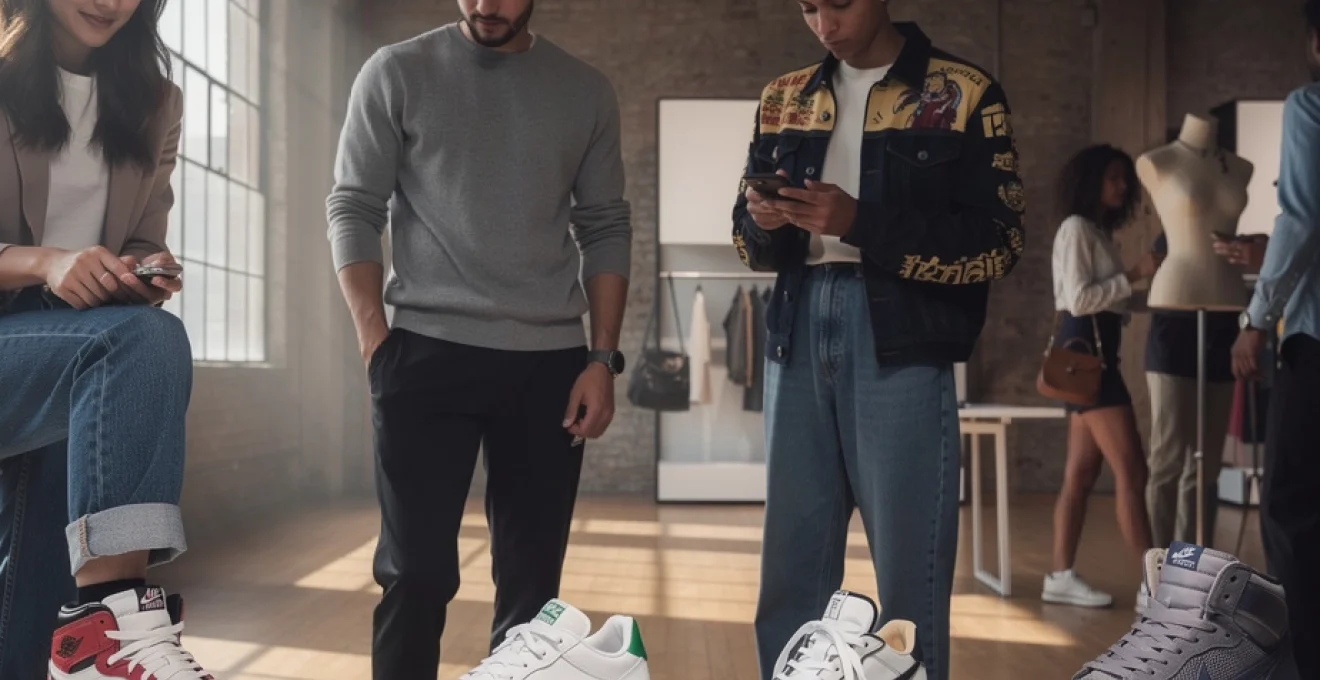
The fashion landscape has witnessed a remarkable transformation over the past few years, with vintage-inspired footwear emerging as the dominant force in contemporary style. Retro sneakers have transcended their sporting origins to become essential wardrobe staples, bridging generational gaps and redefining modern fashion sensibilities. This resurgence represents more than a fleeting trend—it embodies a cultural shift towards authenticity, craftsmanship, and timeless design principles that resonate with today’s discerning consumers.
The revival of classic sneaker silhouettes reflects a broader movement where fashion enthusiasts increasingly value heritage over novelty. From basketball courts to luxury runways, these iconic designs have proven their enduring appeal, offering both nostalgic charm and contemporary relevance. The phenomenon encompasses everything from minimalist tennis shoes to bold athletic designs, each carrying its own cultural significance and styling possibilities.
Heritage silhouettes driving contemporary fashion trends
The modern sneaker renaissance has been fueled by several iconic models that have successfully navigated the transition from athletic performance to fashion statement. These heritage silhouettes continue to influence contemporary design while maintaining their authentic character and cultural relevance.
Nike air jordan 1 retro high OG cultural renaissance
The Nike Air Jordan 1 stands as perhaps the most influential basketball sneaker in fashion history. Originally released in 1985, this silhouette revolutionised both athletic footwear and street style. The shoe’s rebellious origins—famously banned by the NBA for violating uniform regulations—only enhanced its cultural cachet. Today’s iterations maintain the original’s distinctive design elements, including the high-top construction, perforated toe box, and iconic « Wings » logo.
Contemporary releases continue to generate significant market demand, with some limited editions selling for thousands of pounds on resale platforms. The model’s versatility allows it to complement everything from casual denim to tailored separates, making it a valuable addition to any modern wardrobe. Fashion houses have even incorporated similar high-top silhouettes into their luxury collections, demonstrating the design’s lasting influence.
Adidas stan smith minimalist revival in streetwear
The Adidas Stan Smith represents minimalist design at its finest. First launched in 1965 as a tennis shoe, it rose to prominence throughout the 1980s and 1990s. The shoe’s clean white leather construction, punctuated only by green accents and perforated three stripes, creates a timeless aesthetic that transcends seasonal trends.
Modern fashion enthusiasts appreciate the Stan Smith’s ability to anchor both casual and smart-casual ensembles. The shoe’s understated elegance makes it particularly suitable for contemporary minimalist wardrobes, while its heritage credentials satisfy the growing demand for authentic vintage-inspired pieces. Recent collaborations with various designers and artists have further cemented its position as a cultural icon.
Converse chuck taylor all star timeless appeal across demographics
Few sneakers can claim the universal appeal of the Converse Chuck Taylor All Star. Since its basketball court debut in the 1950s, this canvas high-top has evolved into a symbol of creative expression and alternative culture. The shoe’s simple construction—featuring a rubber toe cap, canvas upper, and distinctive sole design—has remained largely unchanged for decades.
The Chuck Taylor’s enduring popularity spans multiple generations and style tribes. From grunge musicians to contemporary street style mavens, the shoe continues to serve as a blank canvas for personal expression. Its affordable price point and wide availability have made it accessible to diverse demographics, while limited edition releases maintain exclusivity for collectors and fashion enthusiasts.
New balance 990v3 dad shoe phenomenon in luxury fashion
The « dad shoe » trend has elevated chunky athletic sneakers from suburban obscurity to high fashion relevance. The New Balance 990v3 exemplifies this transformation, combining technical running heritage with contemporary luxury appeal. Originally designed for serious runners in the 1980s, the shoe’s substantial construction and performance-focused features have found new appreciation among fashion-forward consumers.
Luxury fashion houses have embraced similar chunky silhouettes, creating their own interpretations that retail for hundreds or even thousands of pounds. The 990v3’s Made in USA construction
has become a particular point of distinction, with the brand emphasising domestic manufacturing, premium materials and meticulous quality control. As a result, the 990v3 now occupies a unique space at the intersection of performance, comfort and prestige. You are just as likely to see it styled with technical outerwear and tailored wool trousers as with running shorts and vintage sportswear, underscoring how far the so‑called dad sneaker has travelled in modern fashion hierarchies.
Technical construction elements defining retro sneaker authenticity
While aesthetics and nostalgia drive much of the appeal, the comeback of retro sneakers in modern wardrobes is also rooted in technical construction. Authentic materials, period‑correct shapes and traditional manufacturing methods play a crucial role in how these shoes feel on foot and how convincingly they recreate the originals. For many enthusiasts, these details are what separate a true heritage reissue from a generic vintage‑inspired design.
Understanding the key construction elements can help you make more informed choices, whether you are investing in a high‑end collaboration or simply looking for an everyday pair that captures genuine retro character. Below, we examine the core components that define authentic retro sneakers and explain why they matter in both performance and style terms.
Vulcanised rubber sole manufacturing techniques
Vulcanised rubber soles are at the heart of many classic silhouettes, from the Converse Chuck Taylor All Star to Vans’ iconic skate shoes. In this traditional process, rubber components are bonded to the upper using heat and pressure, creating a durable, flexible sole unit that can withstand repeated wear. The result is a distinctive feel underfoot: firm yet responsive, with excellent board feel and traction.
Modern manufacturers often balance heritage and efficiency by updating vulcanisation techniques while preserving the original look. For example, thicker foxing tape, visible sidewall textures and classic herringbone tread patterns are retained to satisfy purists seeking retro sneaker authenticity. At the same time, refinements such as improved rubber compounds and more consistent curing processes enhance grip and longevity without altering the visual identity of the shoe.
For consumers, recognising a true vulcanised sole can be as simple as examining the sidewall: authentic pairs will typically show a clean, continuous bond line and a slightly matte finish rather than a glossy, injection‑moulded appearance. If you value that classic skater or court feel, prioritising vulcanised construction is a practical way to ensure your retro sneakers perform as convincingly as they look.
Premium leather upper material specifications
Leather quality significantly influences the comfort, appearance and lifespan of heritage sneakers such as the Adidas Stan Smith, Nike Air Force 1 and early Air Jordan models. Premium full‑grain or top‑grain leathers develop a natural patina over time, softening with wear and forming subtle creases that many collectors actively seek out. By contrast, cheaper split leathers or heavily coated synthetics may crack or peel, undermining both aesthetics and durability.
Brands reviving archival designs increasingly specify higher‑grade hides, lower surface coatings and environmentally responsible tanning methods. This allows them to deliver that familiar soft‑touch feel while aligning with modern sustainability expectations. From a technical standpoint, higher leather thickness, tighter fibre structure and consistent grain pattern all contribute to improved shape retention and breathability—important factors if you plan to wear your retro sneakers regularly rather than keeping them purely for display.
When evaluating a pair in person, you can often gauge leather quality by touch and flex: premium uppers tend to feel supple rather than plasticky, with minimal surface shine and a subtle, natural texture. Think of it like choosing a leather jacket: the better the material, the better it will age. Investing in higher‑quality leather uppers may cost more initially, but it supports long‑term wear and keeps classic silhouettes looking sharp for years.
Canvas textile composition and durability standards
Canvas‑based retro sneakers, including Converse Chuck Taylors, PF Flyers and various 1970s running models, rely on robust woven textiles to balance breathability with structure. Traditional sneaker canvas is typically made from tightly woven cotton, sometimes blended with synthetic fibres for added strength and reduced water absorption. The density of the weave—often expressed in ounces per square yard—directly impacts durability and support.
Modern reproductions that aim for authenticity frequently use heavier canvas weights, reinforced eyelet rows and double‑stitched seams in high‑stress areas. These details may seem minor, but they significantly extend the life of the shoe, especially for daily wear or skate use. Some brands additionally introduce recycled cotton or organic yarns, offering a more sustainable take on classic uppers without compromising the familiar texture and drape that define vintage silhouettes.
If you are comparing options, look closely at the interior finish and stitching quality. Even, closely spaced stitching, bound edges and reinforced heel counters are all signs that a canvas retro sneaker has been built to last. As with a well‑made tote bag, superior canvas construction will hold its shape and resist fraying, ensuring your favourite pair remains a reliable wardrobe staple rather than a short‑term trend purchase.
Vintage colourway accuracy in modern reproductions
Colour is one of the most powerful triggers of nostalgia, and heritage brands know this well. When reissuing classic models, they often strive for vintage colourway accuracy, carefully matching original shades using archival samples, old catalogues and digital colour‑matching technology. The exact tone of Chicago red on an Air Jordan 1 or the specific green of an early Stan Smith can instantly signal authenticity to seasoned sneaker enthusiasts.
However, replicating historical colours is not always straightforward. Changes in dye chemistry, material composition and environmental regulations mean that some pigments used decades ago are no longer viable. As a result, brands may need to approximate original hues while ensuring modern colourfastness, UV resistance and compliance with safety standards. This is a bit like trying to recreate a classic film with contemporary camera equipment—you can get very close, but minor differences are inevitable.
For collectors seeking the most faithful retro sneaker colourways, paying attention to official product descriptions, release histories and side‑by‑side comparisons can be helpful. Limited “OG” editions often offer the highest level of accuracy, while general‑release versions may experiment with slightly altered tones for broader appeal. Ultimately, the goal is to capture the spirit of the original palette while making sure the shoe still fits seamlessly into today’s wardrobes.
Celebrity endorsements and influencer marketing impact
The renewed prominence of retro sneakers in modern wardrobes is closely tied to the visibility they receive via celebrities and digital influencers. When high‑profile figures consistently wear heritage models on red carpets, in street style photos or across social media platforms, they effectively reframe those designs as contemporary status symbols. A pair that once evoked school PE lessons can suddenly feel aspirational when styled by a globally recognised musician or actor.
Brands actively cultivate these associations through targeted seeding, long‑term endorsement deals and collaborative collections. Limited‑edition releases co‑designed with artists, athletes or fashion houses often leverage retro bases—such as the Nike Dunk, Adidas Campus or New Balance 550—precisely because these silhouettes carry cultural credibility. This strategy does more than generate short‑term hype; it reinforces the perception that retro sneakers are investment pieces worth seeking out and preserving.
Influencer marketing amplifies this effect by providing styling inspiration and social proof at scale. On platforms like Instagram and TikTok, creators demonstrate how to integrate vintage‑inspired trainers into everything from office‑ready outfits to gender‑fluid streetwear looks. For many consumers, these real‑world examples feel more attainable than glossy advertising campaigns. The cumulative result is a powerful feedback loop: as more people share their retro sneaker outfits, demand grows, leading to further collaborations, reissues and cultural relevance.
Retro sneaker resale market dynamics and investment potential
As demand for heritage silhouettes has intensified, a sophisticated resale ecosystem has emerged around retro sneakers. Limited supply, nostalgic appeal and celebrity co‑signs can drive certain releases to trade for multiples of their retail price within hours of launch. For some enthusiasts, this has transformed sneakers from everyday footwear into alternative assets, comparable in some ways to collectable watches or contemporary art.
The resale market is shaped by several key factors, including release volume, collaboration prestige, historical significance and condition. Understanding these dynamics can help you decide whether a pair is best treated as a long‑term investment or a rotation staple. It can also protect you from overpaying for models that are unlikely to hold their value once initial hype subsides.
Stockx authentication process for vintage models
Platforms such as StockX have professionalised the secondary market for retro sneakers by introducing rigorous authentication systems. When you buy or sell through these marketplaces, pairs are typically sent to central verification centres, where trained authenticators inspect them before final delivery. This process reduces the risk of counterfeits and gives buyers greater confidence when investing in high‑value or rare models.
For vintage sneakers, authentication involves more than just checking logos and stitching. Experts assess midsole ageing, insole printing, box labels and even the smell of materials to distinguish genuine older pairs from sophisticated replicas. They may refer to extensive internal databases of reference photos and production runs, much like art appraisers consulting catalogues raisonnés. While no system is entirely foolproof, this level of scrutiny has raised overall standards and helped stabilise pricing for sought‑after heritage designs.
If you are considering purchasing a grail‑level retro sneaker—perhaps an original‑era Air Jordan 1 or early Yeezy collaboration—using an authenticated platform can serve as an important safeguard. The fees involved can be viewed as a form of insurance, particularly when price tags reach into the high hundreds or thousands. After all, in a market where demand outstrips supply, authenticity is the foundation on which all investment potential rests.
GOAT marketplace premium pricing structures
GOAT, another major player in the resale space, combines marketplace listings with a curated approach to premium inventory. Its pricing structures reflect not only the rarity and condition of retro sneakers but also factors such as regional demand and historical sales data. In practice, this means that prices can fluctuate dynamically, much like those of stocks or cryptocurrencies, as new information and trends emerge.
For collectors and casual buyers alike, understanding these pricing dynamics can help you time your purchases more effectively. For instance, prices often peak shortly after a hyped release, then stabilise or dip as initial excitement fades and more pairs reach the market. Conversely, truly iconic models may appreciate steadily over time as deadstock becomes scarcer. Monitoring GOAT’s historical charts and setting budget thresholds can prevent impulse spending and encourage a more strategic approach to building a retro sneaker collection.
It is also worth noting that premium pricing does not always equate to long‑term value. Some collaborations command high resale figures due to short‑term social media buzz rather than enduring design quality or cultural significance. When in doubt, consider whether a pair would still feel desirable to you in five years. If the answer is yes, it is more likely to justify a premium today, regardless of short‑term market volatility.
Sneakerhead community discord trading networks
Beyond major platforms, grassroots trading communities on Discord and similar services play a significant role in retro sneaker circulation. These networks function as real‑time marketplaces, information hubs and social spaces where enthusiasts share early links, restock alerts and price predictions. In many cases, they also facilitate direct peer‑to‑peer trades, reducing fees and fostering a more personal level of trust and accountability.
Participation in these communities can offer tangible advantages if you are serious about acquiring specific heritage models. Dedicated channels often track upcoming releases, pulling information from brand calendars, retailer leaks and insider sources. Members may also share detailed legit‑checking guides, highlighting small tells that differentiate authentic retro sneakers from fakes. This collective expertise can be invaluable, particularly as counterfeiters become increasingly sophisticated.
At the same time, Discord trading networks require careful navigation. Informal deals may lack the buyer protections offered by established marketplaces, and hype culture can encourage risk‑taking or speculative behaviour. Approaching these spaces with clear personal limits, a willingness to verify references and a focus on long‑term enjoyment rather than short‑term profit can help ensure that your engagement with the community remains positive and sustainable.
Manufacturing technology bridging vintage aesthetics with modern performance
One of the most compelling aspects of today’s retro sneaker wave is the way brands combine archival styling with contemporary performance technology. Rather than simply reissuing designs as they were, many manufacturers subtly upgrade cushioning, support and sustainability credentials while preserving visual fidelity. The result is footwear that looks like it stepped out of a 1980s lookbook but feels like a modern running shoe underfoot.
Advances in midsole foams, such as EVA blends, polyurethane compounds and proprietary formulations like Nike React or New Balance FuelCell, allow brands to deliver enhanced comfort without drastically altering silhouettes. Behind the scenes, computer‑aided design and biomechanical testing help optimise weight distribution and flex points, ensuring that classic shapes accommodate today’s expectations for all‑day wear. You might think of this as retro footwear with a hidden “software update”—the exterior remains familiar, but the internal experience is entirely contemporary.
Manufacturing technology has also improved consistency and sustainability. Automated cutting, laser‑guided stitching and 3D‑printed tooling reduce material waste and enable more precise pattern replication, which is crucial when recreating famous colour blocking or panel shapes. Some brands now incorporate recycled rubber in outsoles, bio‑based foams in midsoles and responsibly sourced leathers or synthetics in uppers, aligning retro sneaker production with broader environmental goals. For consumers, this means you can enjoy the romance of vintage design while supporting more responsible manufacturing practices.
Styling integration techniques for contemporary wardrobe curation
Integrating retro sneakers into a modern wardrobe is as much about balance as it is about nostalgia. The most successful outfits acknowledge the heritage of the shoe while placing it firmly within a contemporary context. This might mean pairing bold 1990s basketball high‑tops with clean, tailored separates, or offsetting minimalist tennis trainers with textured knitwear and relaxed denim. The aim is to create contrast that feels intentional rather than costume‑like.
One effective approach is to treat retro sneakers as the focal point of your look. Start with a neutral base—think straight‑leg jeans, a plain T‑shirt and an overshirt or blazer—then allow a vibrant colourway or distinctive silhouette to provide visual interest. This strategy works particularly well with models like the Air Jordan 1 or New Balance 990v3, where the proportions and detailing naturally draw the eye. Alternatively, you can lean into a head‑to‑toe vintage aesthetic by combining era‑appropriate pieces, such as track tops, baggy chinos or graphic sweatshirts, ensuring that fit and fabric quality keep the overall effect polished.
For those curating a capsule wardrobe, a small rotation of versatile retro sneakers can cover most scenarios. A clean white leather pair (such as a Stan Smith), a neutral suede runner and a statement high‑top provide ample flexibility for work, weekends and evening outings. When travelling or building seasonal outfits, consider how your sneakers interact with outerwear and accessories—matching tones or complementary textures can quickly elevate simple combinations. Ultimately, the resurgence of retro sneakers is an opportunity to express personality and cultural awareness through footwear, proving that heritage and modernity can coexist with style and ease.