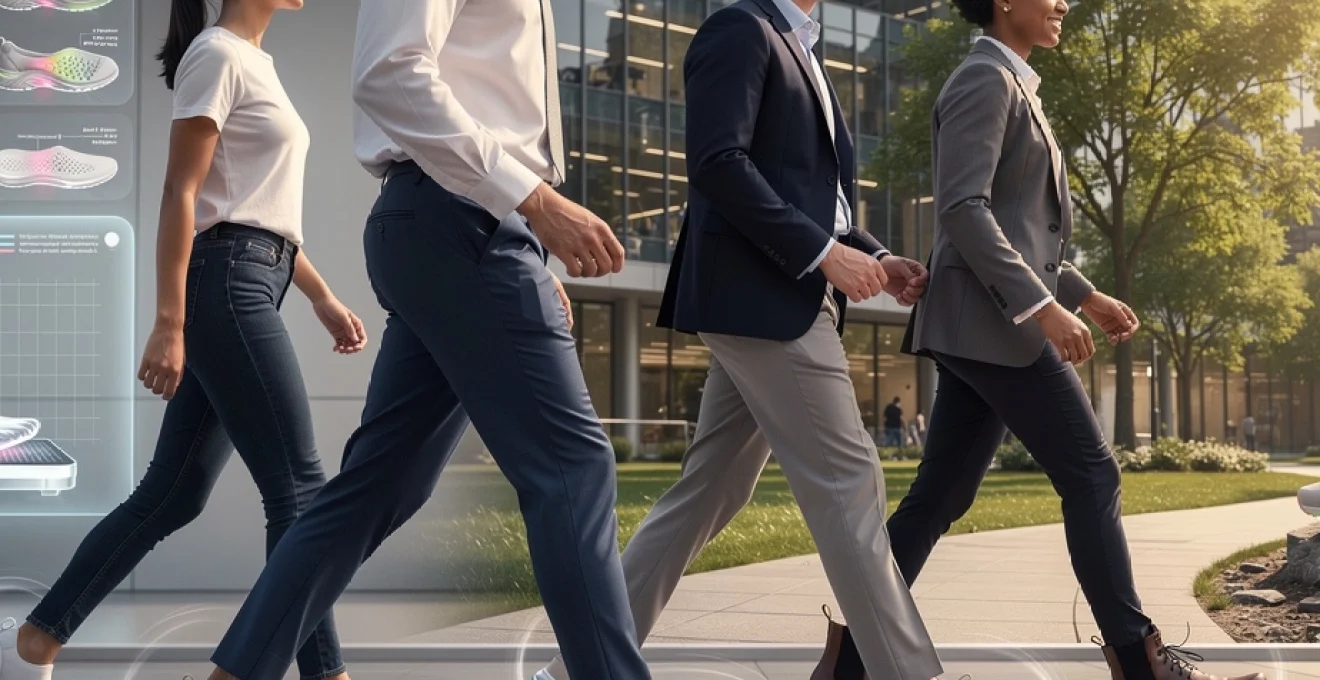
The modern footwear landscape has undergone a revolutionary transformation, where the age-old compromise between comfort and style has become obsolete. Today’s consumers demand shoes that deliver both exceptional comfort for all-day wear and the aesthetic appeal that complements their personal style. This shift has driven unprecedented innovation in footwear design, materials science, and manufacturing processes, creating a new era where biomechanical engineering meets fashion-forward thinking.
The contemporary footwear industry has responded to this demand by developing sophisticated technologies that address the complex needs of urban dwellers who traverse multiple environments throughout their day. From morning commutes to evening social gatherings, today’s footwear must adapt seamlessly while maintaining structural integrity and visual appeal. This evolution represents more than just product development; it signifies a fundamental reimagining of how footwear can enhance both physical well-being and personal expression.
Biomechanical engineering in contemporary footwear design
The integration of biomechanical principles into everyday footwear has transformed how manufacturers approach comfort and performance. Modern shoe design now incorporates sophisticated understanding of human movement patterns, pressure distribution, and anatomical variations to create footwear that actively supports natural foot function rather than merely accommodating it.
Gait cycle analysis and pronation control technologies
Advanced gait analysis has revealed the intricate mechanics of human locomotion, leading to targeted design solutions that address specific movement patterns. Contemporary footwear incorporates dynamic support systems that adapt to the natural pronation and supination cycles during walking and running. These systems utilise strategic placement of density variations in midsole materials to guide foot motion while maintaining comfort.
Pronation control technologies have evolved beyond simple medial posting to include graduated density zones that provide subtle guidance without restricting natural movement. This approach recognises that excessive motion control can be counterproductive, potentially leading to compensation patterns that create discomfort elsewhere in the kinetic chain. The most effective designs work in harmony with your natural biomechanics rather than fighting against them.
Midsole foam compositions: EVA, TPU, and PEBA performance metrics
The science of midsole construction has advanced dramatically with the introduction of sophisticated polymer compositions. Ethylene-vinyl acetate (EVA) remains a cornerstone material due to its excellent cushioning properties and lightweight characteristics, but modern formulations incorporate varying densities and chemical modifications to enhance durability and responsiveness.
Thermoplastic polyurethane (TPU) has emerged as a premium choice for applications requiring superior energy return and structural integrity. Its unique molecular structure provides exceptional resilience while maintaining consistent performance across temperature variations. Meanwhile, polyether block amide (PEBA) represents the cutting edge of foam technology, offering unprecedented energy return rates that can exceed 85% efficiency in laboratory testing.
These advanced materials enable manufacturers to fine-tune the walking experience, creating zones of varying firmness that correspond to different pressure points and movement phases. The result is footwear that feels responsive and supportive throughout extended wear periods, addressing the primary comfort concerns that have traditionally plagued everyday shoes.
Heel-to-toe drop ratios for urban walking patterns
The heel-to-toe drop ratio, representing the height differential between the heel and forefoot areas, has become a critical design parameter for urban footwear. Research indicates that drop ratios between 4-8mm provide optimal comfort for the varied terrain and movement patterns encountered in city environments, striking a balance between the natural foot position and the heel elevation that many find comfortable.
Urban walking presents unique challenges compared to trail or track surfaces, requiring footwear that can handle sudden direction changes, varied surface textures, and extended periods of standing. The optimal drop ratio facilitates smooth heel-to-toe transition while providing enough heel elevation to accommodate the expectations developed through years of wearing conventional footwear.
Arch support systems: medial post integration and plantar fascia relief
Contemporary arch support technology has moved beyond generic inserts to incorporate anatomically-informed design elements that address the diverse needs of different foot types. Medial post integration utilises strategic placement of firmer materials to provide targeted support without creating uncomfortable pressure points or restricting natural foot flex.
Equally important is targeted plantar fascia relief. Modern footbeds often incorporate contoured arches, recessed heel cups, and subtle metatarsal domes that distribute load more evenly across the midfoot. By reducing peak pressure under the heel and supporting the medial arch, these systems help minimise strain on the plantar fascia during long days on hard pavements. For everyday footwear, choosing designs with anatomically shaped insoles can significantly reduce fatigue, particularly if you stand or walk for extended periods.
Premium material technologies in everyday footwear construction
While biomechanical engineering shapes how a shoe performs, material technologies dictate how it feels, breathes, and ages over time. Contemporary everyday footwear combines advanced textiles, engineered membranes, and next-generation synthetics to deliver comfort that rivals performance footwear while maintaining a polished, versatile aesthetic. Understanding these materials helps you choose shoes that not only look refined but also support healthy feet in real-world conditions.
Primeknit and flyknit upper technologies for breathability
Knit upper technologies such as Primeknit and Flyknit have migrated from elite running models into everyday sneakers and casual shoes. These one-piece, digitally engineered textiles allow designers to vary stretch, support, and ventilation within a single upper, rather like tailoring different fabric weights into one garment. High-stress zones can be reinforced with tighter weaves, while forefoot and midfoot areas remain open and breathable.
For daily wear, this translates into uppers that adapt to your foot shape, reducing hot spots and pressure points that rigid materials can create. The micro-perforated knit structure encourages airflow, helping regulate temperature during long commutes or warm office environments. If you prioritise comfort and hate the feeling of stiff leather when new shoes are breaking in, a knit-based everyday shoe can feel broken-in from day one while still looking sleek enough for smart-casual settings.
Gore-tex membrane integration in casual athletic footwear
Waterproofing technologies have also become more sophisticated, particularly with the integration of Gore-Tex membranes into casual athletic footwear. Instead of heavy, rubberised shells that trap heat, modern waterproof casual shoes use ultra-thin, microporous membranes laminated beneath the upper material. These membranes allow water vapour to escape while blocking external moisture, maintaining a comfortable microclimate around the foot.
For urban lifestyles, Gore-Tex integration means you can navigate rain-soaked streets or unexpected showers without switching into clunky rain boots. Many brands now offer minimalist, city-ready silhouettes with discreet waterproofing that does not compromise flexibility or style. When evaluating waterproof everyday footwear, look for fully sealed seams and gusseted tongues; these details ensure the membrane can do its job and keep your feet dry during all-day wear.
Full-grain leather alternatives: microfiber and synthetic innovations
Concerns about sustainability, animal welfare, and climate resilience have accelerated the development of high-performance alternatives to full-grain leather. Modern microfiber and synthetic leathers use ultra-fine fibres and advanced coatings to mimic the grain, hand-feel, and patina of traditional leather while offering improved consistency and often better water resistance. Density and fibre orientation can be tuned to deliver targeted stiffness or flexibility in different zones of the shoe.
For everyday footwear, these leather alternatives can be a pragmatic choice if you want low-maintenance shoes that still look refined with tailored trousers or dresses. Many microfiber uppers resist creasing and staining better than natural leather, which is valuable in office-to-evening scenarios where you need your shoes to stay polished. When comparing options, pay attention to breathability ratings and lining materials; pairing synthetic uppers with moisture-wicking linings can help you avoid the clammy feeling older-generation synthetics were known for.
Outsole rubber compounds: continental and vibram performance analysis
Underfoot traction is a crucial but often overlooked component of comfort, especially when you move between slick office floors, pavements, and public transport. Premium rubber compounds from partners such as Continental and Vibram have raised the bar for everyday grip. Drawing on expertise from automotive tyre and mountaineering industries, these compounds balance abrasion resistance with pliability, maintaining reliable traction across wet and dry surfaces.
Everyday sneakers and hybrid dress-casual shoes using Continental or Vibram outsoles typically feature multi-directional lug patterns and strategically placed flex grooves. Think of them as the “tyres” of your footwear: they adapt to different surfaces, dampen vibrations, and promote stable foot placement. If you frequently walk on polished tiles, metal stair treads, or cobblestones, choosing footwear with these premium outsoles can dramatically reduce slip risk while keeping your stride confident and relaxed.
Contemporary athleisure footwear categories and market positioning
The rise of athleisure has blurred traditional boundaries between sports shoes and lifestyle footwear, giving you far more choices when combining comfort and style in everyday footwear. Brands now segment collections not just by activity, but by fashion intent and social context, from minimalist office-ready trainers to bold, sculptural silhouettes designed as conversation pieces. Understanding how key categories are positioned helps you select the right pair for your wardrobe and daily routine.
Chunky sneaker revival: balenciaga triple S and nike air monarch influence
The chunky sneaker revival, led by designs like the Balenciaga Triple S and the Nike Air Monarch, has transformed what “comfortable” footwear can look like in streetwear and casual settings. These models exaggerated midsole volume and multi-layered uppers, deliberately showcasing cushioning systems that were once hidden. The result is a visual language where robust soles and oversized proportions signal both comfort and fashion credibility.
From a functional perspective, the increased stack height in chunky sneakers allows for more complex midsole constructions and layered foams, which can enhance shock absorption during long days on hard surfaces. However, the added bulk can feel unwieldy if you prefer a more understated profile or have a narrow gait pattern. For everyday use, look for streamlined interpretations of the chunky sneaker trend—pairs that offer the same plush underfoot cushioning and wide base of support, but with slightly reduced height and cleaner colour blocking to maintain versatility with jeans, tailored joggers, and even casual dresses.
Minimalist court shoe evolution: stan smith and common projects achilles
At the opposite end of the spectrum, minimalist court-inspired shoes such as the Adidas Stan Smith and Common Projects Achilles have become staples of modern capsule wardrobes. Their clean lines, low profiles, and subtle branding make them exceptionally easy to integrate into business casual outfits and smart weekend looks. Although their origins lie in performance tennis, contemporary iterations prioritise premium leather uppers, refined proportions, and upgraded insoles.
For everyday comfort, many minimalist sneakers now incorporate hidden cushioning technologies—such as Ortholite or memory foam footbeds—behind their pared-back exteriors. This means you can achieve a sleek, almost dress-shoe aesthetic without sacrificing all-day wearability. If your goal is to build a small, flexible shoe rotation, a high-quality white or off-white court shoe is often the most efficient single-pair investment, pairing with everything from dark denim to lightweight suiting.
Trail-running crossover models for urban environments
Trail-running inspired crossover shoes have also moved from niche to mainstream as consumers seek footwear that can handle unpredictable daily terrain. These models adapt aggressive trail technologies—such as rock plates, multi-directional lugs, and weather-resistant uppers—for city use. Brands tone down the most technical features while retaining the stability, traction, and cushioning that make trail shoes so reliable.
If your everyday route includes uneven pavements, park paths, and frequent stairs, a trail-running crossover can offer a sense of security that traditional lifestyle sneakers may lack. Look for pairs with slightly moderated lug depth and muted colour palettes, so they integrate more comfortably with urban wardrobes. The best models feel like SUVs for your feet: capable enough for occasional off-road detours, yet polished enough for coffee meetings and casual offices.
Sustainable manufacturing processes in modern footwear production
As comfort and style have advanced, expectations around sustainability in footwear production have risen just as quickly. Consumers increasingly want everyday shoes that feel good to wear and align with their environmental values. In response, brands are rethinking everything from material sourcing to end-of-life solutions, aiming to reduce the ecological footprint of each pair without compromising performance.
Key developments include the use of recycled and bio-based materials in midsoles, outsoles, and uppers. For instance, some EVA and TPU foams now incorporate recycled content while maintaining the cushioning and energy return metrics that everyday comfort demands. Similarly, recycled polyester knits and linings reduce reliance on virgin plastics, and plant-based tanning alternatives cut down on the chemical load associated with traditional leather processing. When you see labels noting recycled content or responsibly sourced materials, you are often looking at tangible results of these manufacturing shifts.
Process innovations are equally important. Many factories are adopting water-based adhesives, closed-loop water systems, and renewable energy sources to reduce emissions and waste. Some brands experiment with modular construction, allowing components like insoles and outsoles to be replaced or recycled more easily. While no shoe is impact-free, choosing footwear from companies that publish lifecycle assessments or sustainability reports is a practical way to support greener production. Over time, these choices can influence market trends, pushing comfort-focused footwear further toward circular design principles.
Professional styling integration across dress code requirements
One of the most significant cultural shifts in recent years has been the relaxation of workplace dress codes, creating more space for comfortable footwear in professional environments. Yet navigating this new landscape can be challenging: how do you integrate sneakers, hybrid oxfords, or cushioned loafers into a wardrobe that still needs to signal competence and polish? The answer lies in understanding refinement levels, silhouettes, and material choices that bridge the gap between office-appropriate and all-day wearable.
Business casual sneaker acceptance in corporate environments
Business casual sneakers now occupy a recognised category in many corporate environments, especially in technology, creative, and knowledge-based industries. These models typically feature low-profile silhouettes, premium leather or high-quality knit uppers, and restrained colour palettes—think white, black, navy, or subtle earth tones. The aim is to deliver the comfort of athletic footwear while maintaining a visual language closer to a dress shoe than a running trainer.
When selecting sneakers for business casual dress codes, prioritise clean designs without oversized logos or flashy colour blocking. Pairing minimalist sneakers with tailored trousers, structured knitwear, or unstructured blazers can create a cohesive, modern look that feels intentional rather than overly relaxed. Ask yourself: would this outfit still feel considered if you swapped in traditional oxfords? If the answer is yes, your sneaker styling is likely at the right level of refinement for most contemporary offices.
Derby and oxford hybrid designs with athletic sole technology
To address professionals who still prefer classic silhouettes but want more forgiving underfoot feel, many brands have introduced Derby and Oxford hybrids that incorporate athletic sole technology. These shoes maintain traditional uppers—with welted details, burnished finishes, and familiar lacing systems—while integrating lightweight EVA or TPU midsoles and rubber outsoles inspired by running or walking shoes. The result is dress footwear that feels far less fatiguing over a full workday.
For urban commuters, these hybrids can be game-changing. You gain the visual authority of conventional business shoes, but with the shock absorption and flexibility of casual trainers. Key features to look for include cushioned, removable insoles (so you can insert orthotics if needed), decoupled heel constructions to smooth impact, and subtle rocker profiles that promote efficient heel-to-toe transitions. This category exemplifies how combining comfort and style in everyday footwear no longer requires a compromise, even in more formal professional contexts.
Chelsea boot construction with memory foam integration
Chelsea boots remain a perennial favourite for their clean lines and easy pull-on design, making them a versatile option across smart-casual and business-casual wardrobes. Recent iterations enhance internal comfort by integrating memory foam or multi-layer cushioning systems into the footbed. These materials conform to your foot’s contours, dispersing pressure and reducing localised hotspots during prolonged standing or walking.
When choosing Chelsea boots for everyday wear, pay attention to shaft height and last shape as well as cushioning. A slightly tapered, but not overly pointed, toe allows adequate room for natural toe splay without appearing bulky under slim trousers. Elastic gussets should provide enough give for easy on-off without feeling restrictive around the ankle. Paired with dark denim, wide-leg trousers, or midi dresses, a well-constructed Chelsea boot with modern cushioning can carry you from client meetings to evening engagements without the urge to change shoes.
Loafer modernisation: driving shoe innovations and comfort padding
Loafers have also undergone significant modernisation to meet contemporary expectations for comfort and flexibility. Drawing on driving shoe innovations, many everyday loafers now feature segmented rubber pods or nubbed outsoles that bend more easily with the foot. Inside, enhanced padding under the heel and forefoot, arch-contoured insoles, and soft linings reduce the break-in period that once deterred many from slip-on dress styles.
For a refined yet relaxed office look, consider loafers in high-quality leather or advanced microfiber, with low vamps that lengthen the leg line when worn with cropped trousers or skirts. Tassel, penny, or horsebit details add visual interest without compromising versatility. If you anticipate long days that blend desk work, meetings, and commuting, prioritise pairs with removable, cushioned footbeds and slightly thicker outsoles; these design choices provide the underlying support that turns a stylish loafer into a true everyday footwear staple.