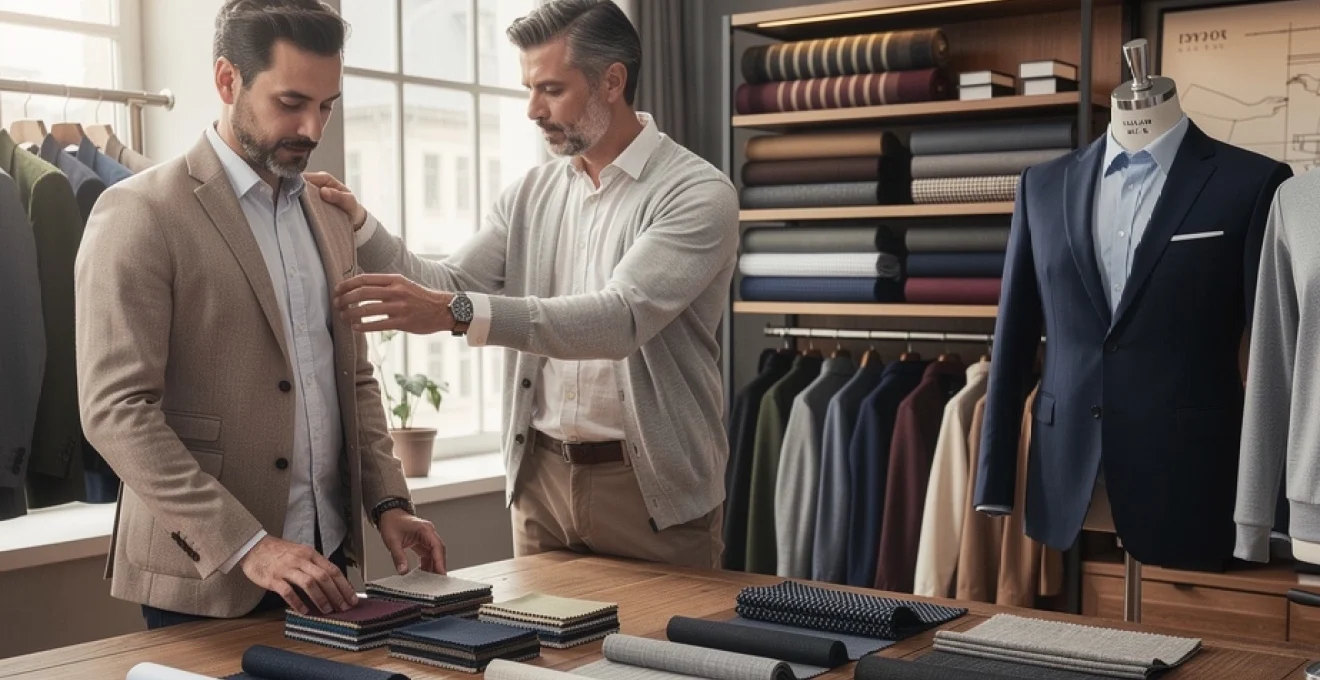
The foundation of exceptional menswear lies not in the cut of a garment or the reputation of a designer, but in the very fibres that constitute the fabric itself. Understanding textile performance characteristics enables discerning gentlemen to make informed choices that enhance both comfort and longevity in their wardrobe investments. Modern fabric technology has evolved dramatically, offering unprecedented combinations of natural luxury and synthetic innovation that cater to diverse lifestyle demands.
Contemporary menswear requires materials that perform across multiple dimensions—breathability for active lifestyles, durability for frequent wear, and aesthetic appeal for professional presentation. The sophisticated consumer recognises that fabric selection directly impacts garment performance, from moisture management during intense activity to wrinkle resistance during extensive travel. This comprehensive understanding of textile science transforms shopping from guesswork into strategic wardrobe building.
Natural fibre selection: cotton, linen, and wool performance characteristics
Natural fibres remain the cornerstone of premium menswear, offering unparalleled comfort and breathability that synthetic alternatives struggle to replicate. These materials possess inherent properties that regulate body temperature, wick moisture naturally, and provide exceptional durability when properly maintained. The complex cellular structure of natural fibres creates microscopic air pockets that facilitate thermal regulation, making them ideal for year-round wear across diverse climatic conditions.
The agricultural origins of natural textiles introduce variability in quality that demands careful evaluation. Environmental factors during cultivation, harvesting methods, and processing techniques all influence the final fabric characteristics. Understanding these variables empowers consumers to distinguish between mass-market offerings and premium materials that justify higher investment costs through superior performance and longevity.
Pima cotton vs egyptian cotton: thread count and durability analysis
Pima cotton and Egyptian cotton represent the pinnacle of cotton cultivation, each offering distinct advantages based on their growing conditions and fibre characteristics. Pima cotton, primarily cultivated in the southwestern United States, produces exceptionally long staple fibres averaging 35-38mm in length. These extended fibres create stronger yarns with reduced pilling tendencies and enhanced softness retention after multiple wash cycles.
Egyptian cotton, grown exclusively in the Nile River delta, benefits from unique climatic conditions that produce fibres reaching up to 40mm in length. This additional length translates to superior yarn strength and fabric durability, though authentic Egyptian cotton commands premium pricing due to limited cultivation areas. Thread count considerations become crucial when evaluating these premium cottons, with optimal ranges varying between 200-400 threads per inch depending on the specific weave construction and intended garment application.
Irish linen and belgian flax: breathability and moisture management properties
Irish linen and Belgian flax represent centuries of textile refinement, producing fabrics with exceptional moisture-wicking capabilities and thermal regulation properties. The flax plant’s hollow fibres create natural channels that facilitate rapid moisture evaporation, making these materials particularly suitable for warm weather applications. Irish linen processing techniques, refined over generations, produce fabrics with superior softness while maintaining the characteristic strength that improves with age.
Belgian flax cultivation occurs in optimal coastal conditions that produce consistently high-quality fibres. The region’s moderate temperatures and adequate rainfall create ideal growing conditions, resulting in flax with uniform colour and exceptional tensile strength. These premium linens demonstrate remarkable durability improvements through use, with properly maintained garments becoming increasingly comfortable while retaining structural integrity for decades.
Merino wool micron ratings: temperature regulation and odour resistance
Merino wool classification systems utilise micron measurements to categorise fibre fineness, with premium grades ranging from 18-24 microns in diameter. Superfine merino wool, measuring below 19.5 microns, provides silk-like softness while maintaining wool’s inherent temperature regulation properties. These ultrafine fibres eliminate the scratchy sensation associated with traditional wool, making merino suitable for direct skin contact applications.
The natural antimicrobial properties of merino wool stem from its complex protein structure, which inhibits bacterial growth responsible for odour development. This characteristic allows extended wear periods without frequent laundering, particularly beneficial for travel garments and active wear applications. Temperature regulation occurs through the fibre’s hygroscopic nature, absor
ption of water vapour without feeling wet to the touch. As merino fibres absorb and release moisture, they generate a small amount of heat, helping you stay warm in cold conditions yet preventing overheating as temperatures rise. This dynamic thermal response makes merino wool one of the most versatile natural fibres for menswear, suitable for everything from base layers and fine-gauge knitwear to tailored suiting in temperate climates.
Bamboo viscose and tencel: sustainable alternatives with enhanced comfort
Bamboo viscose and Tencel (a branded form of lyocell) have emerged as compelling alternatives for men seeking sustainable fabrics with elevated comfort. Both are regenerated cellulose fibres, derived from wood pulp or bamboo, and processed into smooth, uniform filaments that rival premium cotton in softness. When used in menswear, these fibres deliver a cool, silky hand feel with excellent drape, making them ideal for shirts, underwear, and relaxed knitwear that sits close to the skin.
From a performance perspective, bamboo viscose and Tencel excel in moisture management. Their fibre structures allow rapid absorption and release of perspiration, helping to keep the skin dry in warm conditions. Tencel in particular demonstrates impressive moisture-wicking capacity and reduced bacterial growth compared with standard cotton, which translates into superior odour control for garments worn frequently or in hot, humid climates. For men who travel often or live in warmer regions, blends that combine Tencel or bamboo viscose with cotton or merino wool can offer the best of both worlds: softness, breathability, and durability.
Sustainability is a key advantage of these modern fibres when sourced responsibly. Tencel production typically uses closed-loop processes that recover and reuse more than 99% of processing solvents, dramatically reducing environmental impact compared with conventional viscose manufacturing. Bamboo grows rapidly with minimal pesticide use, though the environmental credentials of bamboo fabrics depend heavily on the processing method. When evaluating bamboo viscose and Tencel garments, we should therefore look for certifications and transparent supply chains that confirm eco-conscious production, aligning comfort with responsible consumption.
Synthetic fabric technologies: performance blends and advanced textiles
While natural fibres dominate traditional tailoring, synthetic fabrics and performance blends have transformed modern menswear by introducing attributes that nature alone cannot provide. Advanced synthetics deliver exceptional wrinkle resistance, rapid drying, and targeted stretch, making them particularly valuable for active lifestyles and travel-centric wardrobes. When intelligently blended with cotton, wool, or other natural fibres, these textiles enhance durability and ease of care without sacrificing comfort.
Understanding the role of synthetic fibres helps you decide when they genuinely add value and when a natural fabric might suffice. High-performance suits, technical outerwear, and modern athleisure all rely on engineered fibres that manage heat and moisture with remarkable efficiency. By learning how these advanced textiles behave, you can build a menswear collection that feels as good after a long day as it does when you first get dressed.
Polyester-cotton blends: wrinkle resistance and shape retention
Polyester–cotton blends remain a cornerstone of performance shirting and everyday menswear due to their balanced properties. Cotton contributes breathability and a pleasant hand feel, while polyester introduces wrinkle resistance, quicker drying times, and improved shape retention. For travel shirts, workwear, and casual chinos, this hybrid construction ensures garments emerge from a suitcase or washing machine with minimal creasing and a reliably crisp appearance.
The proportion of polyester to cotton significantly affects performance. Blends in the 60/40 to 50/50 range prioritise easy care and durability, making them suitable for uniforms or high-rotation wardrobe pieces. In contrast, blends with higher cotton content (such as 70/30 or 80/20) preserve more of cotton’s natural breathability while still benefiting from polyester’s resilience. When you run your hand across a polyester–cotton fabric, a slightly smoother, cooler surface often indicates higher synthetic content, while a warmer, more matte feel usually suggests a cotton-rich blend.
However, we should also consider long-term comfort and sustainability. Higher polyester percentages can reduce overall breathability and increase static, particularly in dry climates. In addition, polyester is derived from petrochemicals and does not biodegrade, so quality over quantity is crucial. Opting for well-constructed, cotton-rich blends and wearing them for many seasons mitigates environmental impact while still taking advantage of enhanced wrinkle resistance and shape stability in your menswear wardrobe.
Modal and micro-modal: silk-like drape with enhanced durability
Modal and micro-modal are semi-synthetic fibres derived from beech wood that bridge the gap between natural softness and technical performance. Compared with standard viscose, modal fibres are stronger when wet, which improves wash durability and reduces the risk of distortion over time. In menswear, modal is frequently used in T-shirts, underwear, loungewear, and casual shirts where a smooth, luxurious touch against the skin is paramount.
Micro-modal, with even finer filaments, enhances this effect by creating an ultra-soft fabric with exceptional drape. Think of it as a more robust, easier-care alternative to silk in everyday garments. The fine fibre profile allows fabrics to sit close to the body without bulk, which is particularly useful for base layers and fitted tops where you want comfort without unnecessary thickness. For men who dislike the coarseness of some cotton jerseys, modal-rich knits can feel noticeably cooler and more fluid.
From a performance standpoint, modal and micro-modal manage moisture better than many traditional synthetics, absorbing perspiration and releasing it quickly into the air. This prevents the clammy sensation that can occur with pure polyester garments during prolonged wear. When blended with cotton or elastane, modal produces fabrics that retain shape while remaining resistant to pilling. For a modern, comfort-driven menswear wardrobe, investing in a few modal-based essentials can dramatically improve day-to-day wearability.
Elastane integration: stretch recovery and movement accommodation
Elastane—often labelled as spandex or Lycra—is the invisible ingredient that gives contemporary menswear its comfortable stretch. Even when used at levels as low as 1–5%, elastane can transform the fit and function of a garment. In denim, chinos, dress trousers, and tailored jackets, elastane allows fabrics to move with the body, reducing strain on seams and improving overall comfort during sitting, bending, and walking.
Effective elastane integration depends on both fibre percentage and fabric construction. A quality stretch fabric should return cleanly to its original shape after movement, without bagging at the knees or elbows. This stretch recovery is particularly important in slim-fit styles where the fabric is under constant tension. For men who prefer a sharp silhouette but dislike the restriction of traditional rigid fabrics, cotton–elastane or wool–elastane blends offer a practical solution that marries refined appearance with everyday ease.
However, an overreliance on elastane can reduce breathability and complicate recycling. The sweet spot for most menswear ranges between 1–3% elastane content, which is enough to provide functional stretch without feeling overtly synthetic. When trying on garments, note how the fabric responds as you move: does it spring back promptly, or remain distorted? Choosing pieces with high-quality stretch integration ensures that your favourite jeans, trousers, and blazers maintain their clean lines over many seasons of wear.
Moisture-wicking synthetics: coolmax and drifit technology applications
Moisture-wicking synthetics such as Coolmax and Dri-Fit have redefined expectations for comfort in performance menswear. Unlike traditional polyester, these engineered fibres feature cross-sectional shapes and capillary channels that actively draw sweat away from the skin and disperse it across a larger surface area. This accelerates evaporation, helping to regulate body temperature and keep you feeling dry during high-intensity activity or in hot, humid conditions.
Coolmax, widely used in technical socks, base layers, and lightweight shirts, leverages multi-channel fibres that transport moisture along their length. Dri-Fit (a proprietary technology widely seen in sports apparel) combines similar moisture management features with strategic knit structures that enhance airflow. For men who commute by foot or bicycle, or who travel frequently between climate-controlled environments and outdoor heat, these fabrics provide tangible advantages over conventional cotton tees or polos that tend to absorb and retain sweat.
Despite being synthetic, many moisture-wicking fabrics are now engineered with softer hand feels and blended with natural fibres such as cotton or merino for improved comfort. When selecting activewear or athleisure pieces, pay attention to fabric weight, ventilation zones, and the presence of antimicrobial treatments that reduce odour build-up. Integrating a few high-performance tops or base layers into your wardrobe can make long days, workouts, and travel noticeably more comfortable without compromising on modern, streamlined style.
Fabric construction methods: weave patterns and manufacturing techniques
Beyond fibre type, the way a fabric is constructed has a profound impact on how it performs in menswear. Weaving, knitting, and specialised finishing processes can turn the same raw material into entirely different textiles, each with distinctive drape, durability, and visual character. A tightly woven cotton poplin, for example, feels crisp and formal, while a loosely knitted cotton jersey drapes softly and stretches with movement.
Basic weave structures—plain, twill, and satin—form the foundation of most menswear fabrics. Plain weaves such as poplin and broadcloth offer a flat, smooth surface that showcases colour and pattern clearly, making them ideal for business shirts. Twill weaves, identifiable by their diagonal ribs in denim or worsted wool suiting, provide greater flexibility, wrinkle resistance, and opacity. Satin and sateen constructions enhance lustre and drape, often reserved for eveningwear and sophisticated shirting where a subtle sheen is desirable.
Knitted fabrics introduce a different performance profile, relying on interlocking loops rather than crossed yarns. Jersey knit and pique structures dominate T-shirts and polos, delivering stretch and softness that conform comfortably to the body. Advanced manufacturing techniques such as mercerisation, brushing, and sanforisation further refine fabric behaviour, improving colour fastness, surface smoothness, and shrinkage control. By learning to recognise these construction methods, you can predict how a fabric will behave before you wear it, choosing textiles that align with your expectations for comfort and longevity.
Garment-specific fabric selection: tailoring materials to function
Selecting the right fabric for each garment category is essential if you want your wardrobe to work harmoniously across seasons and occasions. A fabric that excels in a tailored suit may be entirely inappropriate for a polo shirt or technical jacket. By aligning fabric properties with intended use—formal suiting, shirting, casualwear, or outerwear—you maximise both performance and aesthetic impact.
In practice, this means paying close attention not only to fibre type but also to weight, weave, and finishing. A mid-weight worsted wool might serve as an all-season business suit in temperate climates, while tropical wool or linen blends better suit hot environments. Similarly, shirting fabrics must balance structure and breathability, whereas casual knits prioritise softness and stretch. When you approach fabric choice through the lens of garment function, you build a wardrobe that feels considered rather than accidental.
Suiting fabrics: super 120s to super 180s wool classifications
In tailored menswear, wool quality is often communicated through “Super” numbers, such as Super 120s, Super 150s, or Super 180s. These ratings relate to the fineness of the wool fibres used, measured in microns. Higher Super numbers indicate finer fibres, which in turn produce a smoother, lighter, and more luxurious cloth. A Super 180s fabric, for instance, will feel exceptionally soft and drape beautifully, delivering a refined, almost liquid silhouette.
However, fabric fineness comes with trade-offs. As fibres become thinner, they also become more delicate and less resistant to abrasion. For everyday business suits that you plan to wear weekly, Super 100s to Super 130s wool typically strikes the optimal balance between comfort, durability, and crease resistance. These fabrics provide a polished appearance without being overly fragile. Super 150s and above are best reserved for special-occasion suits and jackets where you prioritise elegance over long-term hard wear.
Weave and weight further refine suiting performance. Worsted twills and plain weaves in the 250–300gsm range work well as year-round fabrics in many climates, while lighter tropical wools around 220gsm excel in warmer regions. For winter, flannel weaves and higher weights add warmth and a soft, tactile surface. When commissioning or purchasing a suit, we should therefore consider not just the Super number but how fibre fineness, weave, and weight align with our lifestyle and climate.
Shirting materials: poplin, oxford, and twill weave characteristics
Shirting fabrics must manage a challenging set of demands: they sit directly against the skin, layer under tailoring, and often serve as the visual anchor of an outfit. Poplin, Oxford, and twill represent three core constructions that cater to different formality levels and comfort preferences. Poplin (a plain weave with fine, tightly packed yarns) yields a smooth, crisp shirt with a clean, professional appearance. It’s ideal for business settings where you want a sharp collar and minimal texture.
Oxford cloth, by contrast, uses a basket weave with slightly thicker yarns that create a more substantial, textured fabric. Classic Oxford shirts feel more casual and robust, making them suitable for business-casual environments and weekend wear. They pair particularly well with chinos, denim, and unstructured blazers, adding visual interest through their subtle weave pattern. For men who appreciate shirts that soften beautifully over time, Oxford cotton offers impressive longevity and comfort.
Twill shirting presents a middle ground, identifiable by the diagonal lines in its weave. Twill fabrics drape nicely, resist wrinkles better than poplin, and often feel slightly softer from the first wear. They make excellent choices for cooler seasons and for those who value a shirt that looks refined but not overly formal. When building a shirt wardrobe, incorporating all three—poplin for formality, Oxford for texture, and twill for versatility—ensures you have appropriate options for every occasion.
Casualwear textiles: jersey knits and french terry applications
Casual menswear increasingly revolves around knit fabrics that prioritise comfort without sacrificing style. Jersey knit, the foundation of most T-shirts and many polos, consists of a single set of yarns knitted into flexible loops. This structure allows ample stretch and a soft, fluid drape that conforms to the body. Depending on yarn choice—combed cotton, modal blends, or performance synthetics—jersey can feel anything from rugged and substantial to featherlight and silky.
French terry, distinguished by its smooth outer face and looped inner surface, offers a slightly more substantial option ideal for sweatshirts, joggers, and casual layering pieces. The uncut loops on the inside create micro air pockets that provide gentle insulation while still allowing breathability. For transitional weather, French terry strikes a practical balance between warmth and bulk, particularly when blended with elastane for improved mobility.
Modern menswear designers frequently combine these textiles with refined cuts and minimalist detailing to create elevated casual pieces that move seamlessly from home to street to travel. When selecting jersey or French terry garments, pay attention to fabric weight (measured in gsm), as heavier knits deliver more structure and durability, while lighter weights are best reserved for warm climates or layering. By choosing high-quality knits, you ensure that your off-duty wardrobe feels considered rather than improvised.
Outerwear fabrics: canvas, gabardine, and technical shell materials
Outerwear fabrics must withstand environmental exposure while maintaining a refined appearance, making their selection particularly critical in menswear. Cotton canvas, with its dense plain weave and substantial weight, offers excellent abrasion resistance and a casual, utilitarian aesthetic. It is frequently deployed in field jackets, chore coats, and parkas where toughness and structure are priorities. Over time, quality canvas develops a patina that reflects individual wear patterns, much like raw denim.
Gabardine, traditionally woven from worsted wool or cotton in a steep twill pattern, provides a more formal outerwear option. Its tightly packed diagonal ribs shed water more effectively than standard twills and resist wind penetration, making it a natural choice for trench coats and tailored raincoats. A well-cut gabardine coat bridges the gap between practical weather protection and sartorial elegance, pairing as easily with suiting as with smart-casual ensembles.
Technical shell fabrics, such as laminated polyester or nylon with waterproof–breathable membranes, represent the pinnacle of performance for harsh conditions. These materials combine water resistance, windproofing, and vapour permeability through multi-layer constructions and specialised coatings. Features like taped seams, DWR (durable water-repellent) finishes, and mechanical stretch enhance functionality further. For men who spend significant time outdoors or travel across varied climates, investing in a lightweight technical shell can dramatically improve comfort while preserving a streamlined, contemporary silhouette.
Luxury fabric markets: premium materials and artisanal production
The luxury fabric market occupies a distinct space within menswear, where rarity, craftsmanship, and sensory experience converge. Premium materials such as cashmere, baby camel, vicuña, and high-twist extra-long-staple cotton are sourced from limited geographic regions and often processed in heritage mills with centuries of expertise. These textiles command higher prices not only for their scarcity but for the meticulous, labour-intensive methods used to transform raw fibre into finished cloth.
Artisanal production techniques—hand combing, slow weaving on shuttle looms, and delicate finishing processes—contribute to the unique character of luxury fabrics. A hand-framed cashmere knit, for example, has a different density and drape from its machine-knit counterpart, much like a handcrafted leather shoe differs from mass-produced footwear. In shirting and suiting, mills in Italy, the UK, and Japan are renowned for developing proprietary weaves and finishes that experienced wearers can recognise by touch alone.
For the discerning gentleman, investing in luxury fabrics is less about overt logos and more about understated refinement. A cashmere overcoat in a neutral tone, a finely woven Sea Island cotton shirt, or a lightweight Loro Piana wool–silk jacket quietly signals connoisseurship. The key is to select pieces that integrate seamlessly into your existing wardrobe and offer frequent wear, rather than reserving them only for rare occasions. In doing so, you maximise both cost-per-wear and the simple daily pleasure of wearing garments that feel exceptional every time you put them on.
Fabric care and longevity: maintenance protocols for different textile types
The finest fabric can only fulfil its potential if it is maintained correctly. Thoughtful care routines extend the lifespan of garments, preserve their appearance, and ensure that performance characteristics—such as breathability, stretch recovery, and water resistance—remain intact. Neglect or inappropriate cleaning, by contrast, can prematurely age even the most robust textiles, leading to shrinkage, colour loss, and structural damage.
Natural fibres like cotton, linen, and wool each have specific care requirements. Cotton shirts and jerseys generally tolerate machine washing, but cooler temperatures and gentle cycles reduce fibre stress and preserve colour. Linen benefits from mild detergents and line drying, which prevent excessive creasing and maintain its natural lustre. Wool garments, particularly suiting and fine knits, should be brushed regularly, rested between wears, and cleaned sparingly—ideally via specialised wool detergents or professional dry cleaning to avoid felting and distortion.
Synthetics and performance blends demand equal attention. While polyester-rich fabrics resist shrinking and wrinkling, high heat in washing or drying can degrade elastane and technical coatings, reducing stretch and moisture management over time. We should therefore default to low-temperature washes and air drying for garments that contain elastane, modal, or advanced wicking fibres. Technical outerwear with waterproof–breathable membranes often requires periodic reproofing with dedicated sprays or wash-in treatments to restore the DWR finish that enables water beading.
Storage practices also influence garment longevity. Suits and structured jackets belong on broad, shaped hangers that support the shoulders, while fine knits fare better folded to avoid stretching. Rotating shoes and garments, rather than wearing the same favourites consecutively, gives fibres time to recover—much like rest days benefit muscles after intense exercise. By approaching fabric care as an integral part of owning quality menswear rather than an afterthought, you protect your investment and ensure that each piece continues to deliver comfort, style, and performance for years to come.