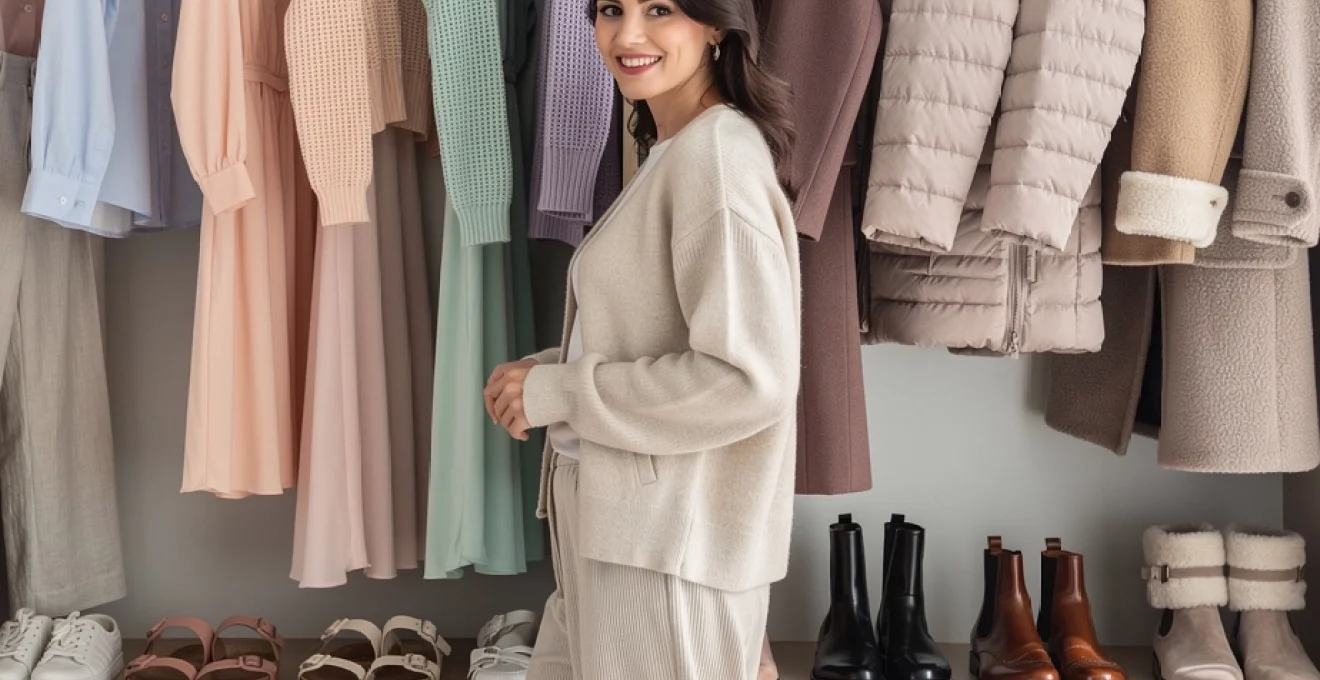
# Seasonal must-haves to refresh your wardrobe
The changing seasons demand more than simply swapping out short sleeves for long ones. A truly intelligent wardrobe refresh requires understanding the technical properties of fabrics, the science behind thermal regulation, and the strategic selection of pieces that bridge multiple seasons whilst maintaining both style and functionality. Whether you’re navigating unpredictable spring showers or preparing for the depths of winter, the key lies in choosing garments engineered for performance alongside aesthetic appeal. Modern textile innovations have transformed seasonal dressing from a purely practical necessity into an opportunity for sustainable investment in quality pieces that genuinely enhance your daily life. The difference between feeling perpetually uncomfortable and effortlessly prepared often comes down to fabric choice, construction quality, and understanding how garments interact with your body’s natural temperature regulation systems.
Spring/summer capsule wardrobe essentials: lightweight fabrics and breathable textiles
When temperatures rise, the human body naturally increases perspiration to cool itself—a biological fact that makes fabric selection absolutely critical for comfort. The spring and summer months require materials that facilitate moisture evaporation whilst allowing air circulation against the skin. Natural fibres generally outperform synthetics in this regard, though modern textile engineering has created some remarkable hybrid solutions. The weight of fabric becomes paramount; even breathable materials can feel oppressive if they’re too heavy for warm weather. Look for garments with an open weave structure that permits airflow, and consider how the garment’s construction—such as vents, mesh panels, or strategic seaming—enhances its cooling properties.
Linen trousers and Wide-Leg silhouettes for temperature regulation
Linen remains unmatched as a warm-weather fabric, with its hollow fibres naturally wicking moisture away from the skin whilst providing exceptional breathability. The material’s slightly rough texture actually prevents fabric from clinging to perspiring skin—a common issue with smoother textiles. Wide-leg trouser silhouettes capitalise on the chimney effect, where warm air rises through the leg opening whilst cooler air enters from below, creating natural ventilation. A quality linen trouser should feel substantial enough to maintain its shape whilst remaining lightweight; typically, a fabric weight between 180-220 gsm (grams per square metre) strikes this balance perfectly. The characteristic wrinkles that develop in linen actually increase the fabric’s surface area, further enhancing its cooling properties rather than detracting from its appearance as some might assume.
Cotton voile blouses and poplin shirting for transitional layering
Cotton voile represents the lighter end of the cotton spectrum, with its semi-sheer, plain-weave construction offering maximum breathability for the hottest days. This delicate fabric works beautifully for blouses that provide coverage without weight, making it ideal for professional environments where you need sophistication alongside comfort. Poplin shirting, whilst slightly heavier than voile, offers superior crispness and structure—perfect for those who prefer a more tailored appearance. The tight weave of poplin creates a smooth, lustrous surface that resists wrinkles better than many summer fabrics. For transitional periods, these pieces layer effortlessly under lightweight knits or jackets, then stand alone when temperatures climb. Consider how collar construction affects comfort; a well-designed collar should sit comfortably without gaping or feeling restrictive, even when you’re moving throughout your day.
Tencel and lyocell dresses: sustainable Moisture-Wicking solutions
Tencel and Lyocell (technically the same fibre produced through different manufacturing processes) represent a remarkable achievement in sustainable textile engineering. Derived from eucalyptus wood pulp through a closed-loop production system that recycles 99% of solvents, these fibres offer moisture management capabilities that actually exceed cotton by approximately 50%. The smooth fibre surface inhibits bacterial growth—the primary cause of odour in worn clothing—meaning garments stay fresher longer between washes. Dresses constructed from these materials drape beautifully due to the fibre’s natural fluidity, creating elegant silhouettes that move with you rather than against you. The fabric’s slight sheen gives it a more elevated appearance than standard cotton, making it appropriate for situations requiring polish. Look for blends combining Tencel with small percentages of elastane for
improved recovery after movement and greater freedom of motion. Because these fibres are naturally cool to the touch, they’re particularly effective in humid climates where traditional cotton can start to feel heavy. For a truly season-spanning capsule wardrobe, prioritise Tencel or lyocell dresses in mid-weight weaves (around 160–200 gsm) and midi lengths; they can be layered with tights and knitwear in cooler weather without adding bulk, yet remain breathable and fluid when worn solo in peak summer.
Mesh knit tops and open-weave cardigans for air circulation
Open-knit constructions operate almost like wearable climate control, allowing warm air to escape while still offering a degree of coverage. Mesh knit tops in cotton or linen blends are particularly effective for those who prefer not to bare too much skin but still need maximum airflow in hot conditions. The perforations create micro-channels for air circulation, which speeds up evaporation and reduces that sticky, overheated feeling. Think of them as the sartorial equivalent of a ceiling fan—subtle but surprisingly powerful in maintaining comfort.
Open-weave cardigans extend the wearability of your spring and summer dresses by adding light warmth without trapping heat. They’re ideal for over-air-conditioned offices, evening breezes, or unpredictable coastal climates where temperatures can fluctuate by 5–10°C in a single day. When choosing these pieces, pay attention to yarn composition: high cotton or linen content will feel cooler and more breathable than synthetic-heavy blends. Opt for slightly oversized silhouettes and longer hemlines; this not only modernises the look but also enhances airflow, making them perfect transition pieces as you move between indoor and outdoor environments.
Autumn/winter wardrobe staples: insulating layers and cold-weather fabrications
As temperatures drop, your wardrobe’s primary function shifts from cooling to conserving body heat, all while managing moisture and bulk. Effective autumn and winter dressing is less about piling on the thickest garments you can find and more about creating a strategic layering system. Each layer should serve a clear purpose: a moisture-wicking base to keep you dry, an insulating mid-layer to trap warm air, and a protective outer layer to shield against wind and precipitation. This system not only keeps you warmer but also allows you to adapt quickly when you move from chilly streets to overheated interiors—a common challenge in colder months.
The fabric technology behind cold-weather staples has advanced significantly in the last decade. We now have access to fine-gauge wools that feel almost as soft as cotton, synthetic fills that rival down in warmth while performing better in wet conditions, and brushed cottons that provide insulation without bulk. The result? You can build an autumn/winter capsule wardrobe that feels considered and modern, rather than bulky and restrictive. By understanding how each fabrication behaves in cold, damp, or windy conditions, you can invest in fewer, higher-quality pieces that work harder for you all season long.
Merino wool jumpers and cashmere blends for thermal retention
Merino wool is often described as nature’s technical fabric, and for good reason. Its ultra-fine fibres create tiny air pockets that trap warmth close to the body, providing excellent thermal retention without significant weight. Unlike many synthetics, merino can absorb up to 30% of its own weight in moisture before feeling damp, helping regulate your temperature as you move between indoor and outdoor environments. This makes a merino jumper or base layer one of the smartest investments for a winter capsule wardrobe; it performs as well on a frosty commute as it does in a casual office setting.
Cashmere blends offer a more luxurious handfeel while still providing high warmth-to-weight ratios. Pure cashmere can be delicate and prone to pilling if not cared for correctly, so blends that incorporate merino or long-staple cotton often strike a better balance between durability and softness for everyday wear. When assessing knitwear, look at ply count and gauge: a tightly knit, mid-weight jumper will usually be more insulating and more resistant to stretching than very loose, chunky knits. Think of merino and cashmere as the “thermal engine” of your cold-weather wardrobe—pieces that quietly do the heavy lifting, allowing you to keep outer layers sleeker and more refined.
Quilted puffer jackets with down alternative fill technology
Puffer jackets have evolved from purely functional outerwear into sleek, city-appropriate pieces that combine insulation with thoughtful design. Traditional down offers exceptional warmth but can lose much of its insulating capability when wet and raises ethical considerations for many shoppers. Modern down-alternative fills, often made from recycled polyester microfibres, mimic the loft and heat-trapping abilities of down while retaining warmth better in damp conditions. According to recent industry tests, high-quality synthetic fills can retain up to 90% of their insulating power even when exposed to moisture, making them ideal for wet, slushy winters.
Quilt construction is more than just an aesthetic choice; the pattern dictates how evenly the insulation is distributed. Smaller, evenly spaced baffles minimise cold spots and prevent fill from migrating, which is crucial if you live in regions where temperatures regularly dip below freezing. For a streamlined wardrobe, look for hip- or mid-thigh-length puffers with a two-way zip—this allows greater ease of movement when sitting or walking briskly. A matte, tightly woven shell fabric not only looks more refined but also improves wind resistance, making these jackets suitable for everything from weekend errands to smart-casual office commutes.
Corduroy and moleskin trousers for enhanced warmth
Corduroy and moleskin may sound nostalgic, but their fabric science is surprisingly sophisticated when it comes to retaining heat. Corduroy’s signature ridges, or wales, create vertical channels of air that act as insulation, trapping warmth against the body. The higher the wale count (i.e., more, finer ridges), the dressier the appearance and the slightly lighter the fabric will feel, making 14–16 wale corduroy an excellent choice for everyday office wear. This combination of structure and softness makes corduroy trousers a smart alternative to denim when the mercury drops.
Moleskin, despite its name, is usually a densely woven cotton fabric brushed until it achieves a suede-like finish. This tight weave blocks wind effectively while the brushed surface adds an extra layer of insulation, similar to the fleece lining you might find in technical activewear. Because both corduroy and moleskin have a naturally soft handfeel, they’re comfortable enough for all-day wear yet polished enough to pair with blazers, knitwear, and structured outerwear. If you often find yourself cold in standard cotton chinos, upgrading to these fabrics can feel like switching from a thin blanket to a well-insulated duvet—instantly warmer without feeling heavier.
Shearling-lined coats and teddy fleece outerwear innovations
Shearling and faux-shearling linings have become key players in winter outerwear, thanks to their impressive ability to trap warm air while offering plush comfort. Authentic shearling combines leather on the outside with wool on the inside, creating a natural barrier against wind and cold. High-quality faux-shearling and teddy fleece, often made from recycled polyester, now come remarkably close in both appearance and performance, with the added benefit of being lightweight and easier to care for. These fabrics function like insulated walls in a home, creating a layer of still air that dramatically reduces heat loss.
Teddy fleece coats and jackets are particularly effective for dry, cold conditions where wind chill is a bigger concern than precipitation. Their textured surface disrupts airflow, helping to lessen the impact of icy gusts. When evaluating these pieces, pay attention to the weight and density of the pile: overly bulky versions can feel cumbersome, whereas mid-weight iterations provide cosy warmth without overwhelming your frame. For maximum versatility in a cold-weather capsule, opt for neutral colours and simple silhouettes—think collarless coats, streamlined bomber styles, or belted wrap coats that layer comfortably over knitwear and tailoring alike.
Colour palette transitions: pantone seasonal forecasting and trend analysis
Updating your wardrobe for a new season doesn’t always require a complete overhaul; often, a strategic shift in colour palette is enough to make existing pieces feel current. Pantone’s seasonal colour forecasts offer a useful lens through which to view these transitions, highlighting shades that reflect cultural mood, design trends, and even psychological needs. Rather than chasing every trend shade, you can treat these forecasts as a menu: select the few tones that harmonise with your existing wardrobe and complexion, then integrate them through key pieces or accessories.
Think of your wardrobe as a gradient that moves through the year, rather than four disconnected clusters of colour. Spring and summer might see lighter, airier shades dominate, while autumn and winter introduce deeper, more saturated tones that still echo your core palette. By anchoring your clothing around a base of year-round neutrals and layering in seasonal accent colours, you create continuity and reduce the impulse to overbuy. This approach not only streamlines outfit planning but also supports a more sustainable, long-term relationship with your clothes.
Spring/summer pastel hues: peach fuzz, lavender mist, and mint sorbet
Pastel tones consistently reappear in spring/summer collections because they visually mirror the softer light and blooming landscapes of the season. Shades such as Peach Fuzz, Lavender Mist, and Mint Sorbet evoke freshness and lightness, making them ideal for warm-weather capsules. These colours work particularly well in lightweight fabrics—think linen shirts, cotton voile blouses, or Tencel dresses—where the softness of the hue aligns with the airiness of the textile. If bold brights feel overwhelming, pastels offer a gentler way to introduce colour while still feeling modern.
To integrate these tones without rebuilding your wardrobe, use them as accents against neutral foundations. A Lavender Mist knit draped over oatmeal trousers, or a Mint Sorbet shirt under a beige trench, can shift your overall look into spring mode with minimal effort. Pastels also pair beautifully with denim in all washes, from pale blue to deep indigo, giving you multiple outfit options from just a handful of pieces. Ask yourself: which of these shades naturally complements your skin undertone and existing neutrals? Choosing one or two favourites rather than all three will keep your capsule cohesive and easy to style.
Autumn/winter earth tones: burnt sienna, forest moss, and chocolate truffle
As daylight hours shorten and the environment deepens in hue, earth tones become the natural choice for autumn and winter. Colours like Burnt Sienna, Forest Moss, and Chocolate Truffle convey warmth and grounded sophistication, making them especially suited to heavier fabrics such as corduroy, wool, and brushed cotton. These shades tend to age well, rarely looking “dated,” which is crucial when you’re investing in coats, knitwear, and boots that you hope to wear for several seasons.
Earth tones are also highly versatile when it comes to mixing and matching within a capsule wardrobe. Forest Moss pairs elegantly with chocolate and black, while Burnt Sienna looks striking with denim, navy, or camel outerwear. If you’re wary of committing to richer shades in large garments, start with accessories: a Burnt Sienna scarf, a moss-toned beanie, or a Chocolate Truffle leather belt can subtly steer your outfits into colder-season territory. Over time, you may find that these hues become as foundational as black or navy, especially if you favour a more natural, understated aesthetic.
Year-round neutrals: oatmeal, charcoal, and ivory investment pieces
Neutrals like Oatmeal, Charcoal, and Ivory are the glue that holds a seasonal wardrobe together. These tones work across all four seasons, providing a calm backdrop for more expressive accent colours. Oatmeal offers a softer alternative to stark beige, flattering on a wide range of skin tones and ideal for knitwear, trench coats, and wide-leg trousers. Ivory brings light and refinement, especially in shirting, dresses, and outerwear linings, while charcoal offers depth without the harshness of pure black, making it a smart choice for tailoring and winter coats.
When you invest in wardrobe staples—think tailored blazers, wool overcoats, high-quality knitwear—choosing these enduring neutrals maximises cost per wear. They not only complement seasonal Pantone highlights but also allow you to re-style the same hero pieces with different accessories throughout the year. Imagine an oatmeal cashmere jumper: it works with pastel skirts in spring, white denim in summer, earth-tone cords in autumn, and charcoal wool trousers in winter. By anchoring your wardrobe in these neutrals, you create a flexible canvas that adapts effortlessly as trends and temperatures shift.
Footwear rotation strategy: seasonal sole technologies and construction methods
A truly functional wardrobe refresh must include footwear, as your shoes have to respond not just to aesthetic preferences but also to changing ground conditions and activity levels. The right pair can transform the comfort and practicality of an outfit just as much as the right coat or knit. Today’s footwear market offers advanced sole technologies—from EVA cushioning to Vibram outsoles—that make seasonal dressing both more supportive and more weather-appropriate. The aim is to build a small, strategic rotation that covers you from early spring showers to icy winter pavements.
Rather than owning dozens of rarely worn pairs, consider a core selection that spans lifestyle needs: casual weekends, office-ready options, and weather-proof silhouettes. Each style should be evaluated through three lenses: comfort (arch support, cushioning, fit), durability (materials, construction methods), and versatility (how many outfits it complements). By planning your footwear rotation as thoughtfully as you plan your clothing, you reduce decision fatigue and ensure you’re not caught out by sudden weather changes—because few things derail a good outfit faster than the wrong shoes for the conditions.
Spring espadrilles and canvas trainers with EVA cushioning
As temperatures start to rise but full summer heat hasn’t yet arrived, espadrilles and canvas trainers become ideal transitional footwear. Traditional espadrilles with jute soles provide natural breathability and a relaxed aesthetic that pairs seamlessly with linen trousers, dresses, and cropped denim. However, they typically lack arch support, so modern variations that incorporate cushioned insoles or rubber outsoles offer a more ergonomic option for all-day wear. Think of them as the bridge between winter boots and summer sandals—light enough for mild days but still substantial enough for spring breezes.
Canvas trainers enhanced with EVA (ethylene-vinyl acetate) cushioning bring sneaker comfort into the realm of chic, everyday styling. EVA midsoles are valued for being lightweight and shock-absorbing, reducing fatigue during long walks or busy city days. Because canvas inherently allows better airflow than leather, these trainers shine in late spring when temperatures climb but you still want full-foot coverage. Pair them with wide-leg trousers, midi skirts, or casual tailoring for a modern, effortless look that supports both style and movement.
Summer leather sandals: birkenstock cork footbeds and strappy gladiators
In peak summer, your footwear must prioritise ventilation and support in equal measure. Leather sandals with anatomically shaped cork footbeds—popularised by brands like Birkenstock—have become warm-weather icons precisely because they mould to your feet over time, distributing pressure more evenly and promoting proper alignment. The cork-latex blend responds to heat and weight, gradually customising the fit in a way that flat, unsupportive sandals simply cannot match. If you spend a lot of time on your feet in summer, this kind of construction can be the difference between comfort and soreness at the end of the day.
Strappy gladiator styles, whether flat or with a slight block heel, offer a more dressed-up option that still allows ample airflow. Look for versions with padded insoles and adjustable straps so you can accommodate natural swelling in the feet during hot weather. Because well-made leather sandals can last for many seasons when properly cared for, choosing versatile colours—tan, black, or metallics—ensures they integrate easily into your holiday capsule as well as your everyday city wardrobe. Ask yourself: could this pair work with at least five outfits you already own? If the answer is yes, it’s far more likely to earn its place as a true seasonal staple.
Autumn chelsea boots and brogue details in premium calfskin
When the first leaves fall and pavements become damp, ankle boots step into their prime. Chelsea boots, with their clean lines and elastic side panels, are a perennial favourite for autumn because they slip on easily, work with everything from jeans to midi dresses, and provide just enough coverage to handle cooler, wetter days. Premium calfskin uppers offer a balance of softness and durability, moulding to your foot while withstanding frequent wear. A slightly stacked heel and rubber-soled construction will provide better traction on slick surfaces than smooth leather soles alone.
Brogue details—perforations and serrated edges originally designed for draining water—add visual interest without sacrificing polish. Whether you choose a classic brogue or a Chelsea boot with brogue-inspired accents, these design elements can subtly elevate everyday outfits, making them suitable for both office and off-duty wear. For maximum versatility within a capsule wardrobe, opt for neutral shades like black, chocolate, or rich tan, and ensure the shaft height works with the hemlines you wear most. Paired with wide-leg trousers, midi skirts, or straight-leg denim, these boots anchor your autumn looks with structure and longevity.
Winter shearling-lined boots with vibram arctic grip outsoles
When winter reaches its coldest point, your boots must do more than simply look the part—they need to perform under genuinely harsh conditions. Shearling-lined styles provide exceptional insulation by trapping warm air around the foot and lower leg, while also wicking moisture away from the skin. This combination helps prevent the clammy sensation that can occur when you move from icy streets into centrally heated interiors. Faux-shearling options have improved dramatically in recent years, offering similar warmth with easier care and often at a more accessible price point.
Outsole technology is crucial here. Vibram Arctic Grip, for instance, is engineered specifically to improve traction on wet ice, using a unique rubber compound and patterned lugs that increase surface contact. If you regularly encounter snow, slush, or black ice, investing in boots with such outsoles can significantly enhance safety as well as comfort. Look for gusseted tongues and waterproof membranes to keep moisture out, and ensure there’s enough room to accommodate thermal socks without constricting circulation. In the context of a winter capsule wardrobe, one well-chosen pair of shearling-lined, high-traction boots can serve you daily, from early-morning commutes to weekend errands.
Accessory refresh tactics: seasonal hardware finishes and material innovations
Accessories function as the fastest, most cost-effective way to refresh your wardrobe each season without replacing core garments. By updating hardware finishes, materials, and textures, you can subtly shift the mood of your outfits to align with current trends and seasonal palettes. Think of accessories as the punctuation marks of your wardrobe: a sleek belt buckle or sculptural earring can change the entire tone of a look with minimal effort. This is where you can experiment more freely, because the financial and environmental stakes are lower than with major clothing purchases.
Hardware trends—such as brushed gold, matte silver, or mixed-metal finishes—tend to cycle every few years, but choosing timeless shapes in slightly updated finishes allows you to nod to current style without committing to anything overly directional. In warmer months, lighter-weight materials like raffia, straw, canvas, and translucent resin keep your outfits feeling fresh and breathable. As temperatures drop, you can transition to richer textures like suede, patent leather, quilted nylon, and wool-blend scarves that not only add visual depth but also offer functional warmth. By rotating just a handful of belts, bags, scarves, and jewellery, you can make the same blazer or dress look completely different from one season to the next.
Wardrobe storage solutions: climate-controlled organisation and garment preservation techniques
Even the most carefully curated seasonal wardrobe will underperform if storage and care are overlooked. Temperature, humidity, and light exposure all play a role in how well your garments age. Ideally, clothing should be stored in a cool, dry environment—generally between 15–21°C with moderate humidity—to prevent fibres from becoming brittle or developing mildew. While you may not have a fully climate-controlled dressing room, small adjustments such as using dehumidifiers in damp spaces or avoiding radiators and direct sunlight can dramatically extend the life of your clothes.
Organisation also impacts how often you wear what you own. If pieces are crammed together, they crease more easily and become harder to see, which often leads to the “I forgot I had this” problem. Using slim, non-slip hangers for blouses and dresses, padded hangers for delicate knitwear, and breathable fabric garment bags for coats creates a more functional, garment-friendly system. For off-season items, consider storing them in labelled, lidded boxes with acid-free tissue paper, placing heavier items at the bottom and lighter ones on top to avoid crushing. Adding natural moth repellents, such as cedar blocks or lavender sachets, helps protect wool and cashmere without the harshness of traditional mothballs.
Finally, think of maintenance as an integral part of your style strategy rather than an afterthought. Regularly brushing wool coats, de-pilling knitwear, and promptly spot-cleaning stains can prevent minor issues from becoming permanent damage. Rotating shoes and allowing at least 24 hours between wears, with cedar shoe trees inserted, helps preserve their shape and absorb moisture. By combining thoughtful fabric choices with smart storage and preservation techniques, you transform your seasonal must-haves from disposable trends into long-term wardrobe investments that look and perform beautifully year after year.