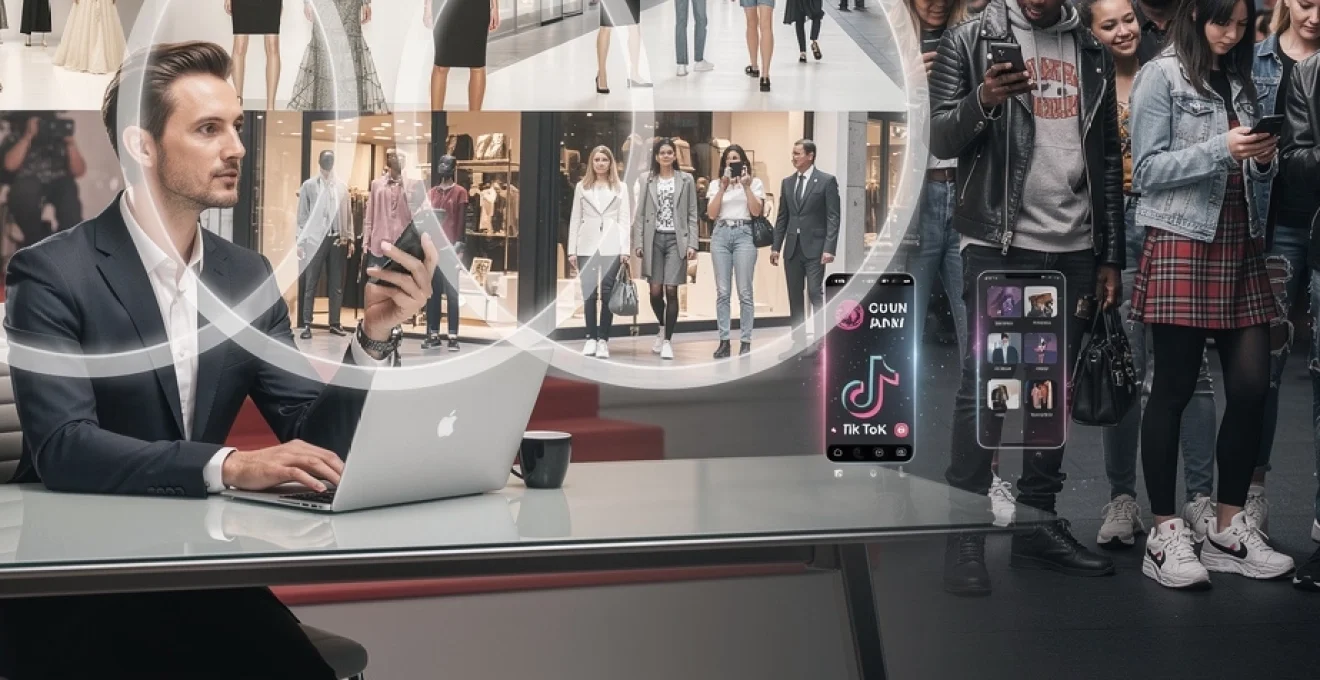
Fashion has always operated as a self-renewing system, one where styles emerge, flourish, decline, and often reappear in transformed iterations. This perpetual movement creates what industry professionals recognize as fashion cycles—predictable yet complex patterns that govern how trends travel from conception to widespread adoption and eventual obsolescence. Understanding these cycles isn’t merely an academic exercise; it represents essential knowledge for designers, retailers, forecasters, and fashion-conscious consumers alike. The rhythms of fashion cycles influence everything from production schedules to consumer purchasing decisions, affecting billions of pounds in annual fashion expenditure across global markets.
The contemporary fashion landscape has witnessed dramatic transformations in how these cycles operate. What once followed relatively predictable timeframes has accelerated dramatically, compressed by digital technologies and fundamentally altered by social media platforms. Yet despite this acceleration, the underlying mechanisms that drive fashion cycles remain remarkably consistent, rooted in human psychology, social dynamics, and cultural evolution. By examining both historical patterns and contemporary disruptions, we can develop a comprehensive understanding of how fashion moves through society and what forces shape its perpetual transformation.
The Trickle-Down theory and hierarchical fashion dissemination models
The trickle-down theory represents one of the most enduring frameworks for understanding fashion dissemination. This model posits that fashion innovations originate among social elites and gradually filter downward through successive socioeconomic strata. The mechanism driving this diffusion involves two complementary forces: aspiration from lower classes seeking to emulate higher-status groups, and differentiation from upper classes seeking to maintain their distinctive position once a style becomes too widespread. This dynamic creates a perpetual cycle of adoption and abandonment that keeps fashion in constant motion.
Historical evidence supports this hierarchical model across centuries of fashion evolution. Court fashion in seventeenth-century France, for instance, originated with nobility before spreading to wealthy merchants and eventually to skilled artisans. The lag time between these adoptions could span years or even decades, creating clear stratification in sartorial expression. This temporal separation allowed fashion to serve as an immediate, visible marker of social position—a function that remains relevant today despite significant democratisation of fashion access.
Georg simmel’s class differentiation framework in contemporary fashion
German sociologist Georg Simmel articulated perhaps the most influential theoretical explanation for fashion’s cyclical nature in his 1904 essay on fashion. Simmel argued that fashion exists in perpetual tension between two fundamental human needs: the desire for social conformity and the desire for individual distinction. Upper classes adopt new styles to differentiate themselves from lower classes, but this very distinctiveness makes the styles attractive to aspirational groups. As adoption spreads downward, upper classes must abandon now-common styles and seek new forms of differentiation, perpetuating an endless cycle.
Simmel’s framework remains remarkably applicable to contemporary luxury fashion dynamics. When Bottega Veneta’s signature intrecciato weave or Jacquemus’s micro bags achieve widespread recognition and imitation, the original luxury consumers often shift toward newer, less recognisable status markers. This pattern explains why luxury brands continuously innovate—not primarily to satisfy existing customers, but to stay ahead of mass-market replication. The acceleration of this cycle, however, challenges luxury brands to innovate at increasingly rapid intervals, sometimes compromising the craftsmanship and exclusivity that originally justified premium positioning.
Thorstein veblen’s conspicuous consumption and luxury brand positioning
Economist Thorstein Veblen’s concept of conspicuous consumption provides another crucial lens for understanding fashion cycles, particularly in luxury segments. Veblen argued that wealthy individuals consume certain goods not for their utility but for their ability to signal economic status. Fashion serves this function exceptionally well because its rapid obsolescence requires continuous expenditure, demonstrating not merely wealth but ongoing wealth. This creates strong incentives for luxury brands to participate in accelerated fashion cycles while simultaneously maintaining aura of timelessness and tradition.
Contemporary luxury brands navigate this tension through carefully calibrated strategies. Houses like Hermès and Chanel maintain core products—the Birkin bag, the 2.55 handbag—that transcend seasonal cycles, serving as investment pieces with relatively stable desirability. Simultaneously, these same houses produce seasonal collections that participate fully in fashion cycles, creating limited-edition pieces that derive value partly from their
limited availability and rapid movement through the fashion cycle. These items function as highly visible status signals that satisfy Veblen’s notion of conspicuous consumption while allowing brands to preserve a parallel narrative of enduring heritage and investment value.
Luxury marketing therefore oscillates between permanence and perishability. Campaigns emphasise craftsmanship, archival references, and “quiet luxury” to reassure consumers seeking long-term value, even as capsule drops, collaborations, and logo-forward pieces encourage quick turnover. For the fashion-savvy observer, understanding this dual strategy helps explain why some products hold their value in secondary markets while others date almost instantly. It also illuminates how conspicuous consumption continues to shape fashion cycles, especially in an era of Instagram-fuelled visibility and real-time status comparison.
High fashion to high street: the zara and H&M fast fashion translation process
If Veblen and Simmel explain the why of fashion cycles, fast fashion giants like Zara and H&M exemplify the how of contemporary trickle-down. These brands have built entire business models on radically shortening the time it takes to translate runway concepts into accessible product. Where traditional apparel development might once have taken six to nine months, Zara’s vertically integrated supply chain can move a design from sketch to store in as little as three to four weeks, effectively compressing the fashion cycle’s rise and peak stages.
This high-speed translation process has several implications for trend lifecycles. First, it reduces the temporal gap between luxury introduction and mass adoption, eroding the exclusivity window that once protected high-end brands. Second, it increases the volume and variety of trend-driven product entering the market, which accelerates oversaturation and hastens the decline phase. You might notice this when a previously “fresh” look suddenly feels ubiquitous after a single season—often a sign that fast fashion has fully capitalised on the trend.
From a strategic perspective, fast fashion retailers rely heavily on data-driven merchandising and real-time feedback loops. Sales performance, social media engagement, and even store traffic patterns inform rapid decisions about which micro-trends to scale and which to quietly phase out. For consumers who want to participate in trends without investing in luxury price points, understanding this translation process can help you time purchases more intelligently, avoiding items that are already approaching their saturation point.
Red carpet to retail: celebrity influence on mass market adoption timelines
Beyond designers and retailers, celebrities function as powerful accelerants within the trickle-down model. Red carpet appearances, music videos, and high-visibility street style moments often act as catalysts that propel niche runway concepts into mainstream consciousness. When Beyoncé embraces western-inspired looks for an album era or Zendaya debuts archival couture during an awards season, search queries and social mentions for related styles typically spike within hours, compressing what used to be a multi-season build-up into a matter of weeks.
This celebrity-to-mass-market pipeline is increasingly orchestrated rather than organic. Stylists, PR teams, and brand partners coordinate looks to align with product drops, capsule collections, and marketing campaigns. Fast fashion and mid-market brands then respond almost instantaneously, offering accessible versions of red carpet trends that might previously have remained aspirational. The cycle from celebrity debut to mall store display can now be as short as one month, drastically tightening the growth stage of the fashion cycle.
For trend-aware consumers, monitoring celebrity style—especially during major events like fashion weeks, film festivals, and music award shows—can provide early signals of upcoming high street trends. The key is to distinguish between theatrical, one-off looks designed purely for spectacle and wearable elements that are likely to be commercialised. Asking yourself “Can this silhouette, fabric, or colour realistically work in everyday wardrobes?” is a useful filter for predicting which celebrity-driven moments will actually survive beyond the news cycle.
The 20-year fashion cycle theory and nostalgic revivalism
The idea of a 20-year fashion cycle has long served as a rule of thumb for predicting trend revivals. According to this model, styles typically return to favour roughly two decades after their initial peak, when the children who grew up with them reach adulthood and begin to shape cultural production. While digital acceleration has complicated this neat timeline, generational nostalgia still plays a pivotal role in how and why certain aesthetics resurface. Designers mine their own formative years, while consumers seek emotional comfort in familiar silhouettes, colours, and cultural references.
Nostalgic revivalism rarely manifests as simple repetition. Instead, it operates as a process of selective editing and recontextualisation: the most wearable, emotionally resonant, or visually distinctive elements of an era are extracted and updated for contemporary lifestyles. That is why we may see 1970s-style flares in stretch denim rather than rigid twill, or 2000s-inspired low-rise cuts paired with oversized blazers and “quiet luxury” basics. Understanding this pattern helps explain why archives have become strategic assets for heritage houses and why vintage references dominate moodboards across the industry.
1990s minimalism resurgence in 2010s collections: calvin klein and jil sander case studies
The 2010s saw a pronounced revival of 1990s minimalism, particularly in collections from brands like Calvin Klein and Jil Sander that originally defined the aesthetic. Clean lines, restrained colour palettes, and unadorned tailoring re-emerged as an antidote to the maximalist, logo-heavy trends of the late 2000s. This shift coincided with broader cultural moves toward “decluttering,” capsule wardrobes, and the rise of normcore—demonstrating how fashion cycles often align with wider lifestyle conversations.
Calvin Klein’s runway shows during this period revisited slip dresses, bias-cut skirts, and monochrome suiting, reimagined with technical fabrics and modern proportions. Jil Sander doubled down on architectural silhouettes and precise tailoring, offering a purist vision that appealed to consumers fatigued by constant novelty. For many millennials, these collections felt both new and oddly familiar, echoing the understated elegance they might have seen in magazines or on television during childhood.
For brands, the 1990s minimalism resurgence illustrated how archival aesthetics can be leveraged without feeling retrograde. The trick lies in updating fabrication, fit, and styling to address contemporary needs—think performance textiles, inclusive sizing, and digital-age practicality—while preserving the core visual codes of the reference era. If you are considering investing in pieces with long-term relevance, observing how often designers return to minimalist foundations can be a useful guide.
Y2K aesthetic revival: low-rise denim and butterfly motifs in 2020-2023
The Y2K revival that dominated fashion between 2020 and 2023 offers a more exaggerated example of nostalgic resurgence. Low-rise jeans, butterfly motifs, baby tees, and bedazzled accessories returned to the spotlight, fuelled by TikTok, Depop culture, and Gen Z’s fascination with the early internet era. For many younger consumers, Y2K fashion represented a fantasy of pre-smartphone freedom; for older millennials, it provoked a mix of irony, amusement, and selective participation.
From a cycle perspective, the Y2K comeback arrived slightly ahead of the classic 20-year schedule, emphasising how algorithms can accelerate nostalgia once visual references begin to trend online. Brands from Blumarine to Diesel capitalised on this appetite, reissuing archive pieces and designing new collections drenched in iridescence, mesh, and playful kitsch. Yet the revival also highlighted the volatility of hyper-visual micro-trends: some motifs, like low-rise denim, have struggled to achieve mass adoption despite heavy editorial exposure, while others, such as butterfly clips and charms, moved rapidly from novelty to oversaturation.
For consumers, the Y2K wave underscored the importance of distinguishing between costume-like elements and adaptable silhouettes. Asking whether a piece can be integrated into multiple outfits, beyond a single nostalgic look, is a practical way to navigate such revivals without feeling locked into a short-lived aesthetic. In many cases, accessories or prints can offer a lower-risk entry point than full head-to-toe Y2K styling.
1970s bohemianism reinterpretation in chloé and etro spring/summer lines
Few decades have been revisited as frequently as the 1970s, particularly its bohemian and folk-inspired aesthetics. Brands like Chloé and Etro have repeatedly drawn on this era in their spring/summer collections, offering flowing maxi dresses, earthy palettes, intricate embroideries, and artisanal details. These revivals often emerge during periods of social uncertainty, when romantic escape and a connection to nature hold renewed appeal—suggesting that the 1970s functions as a kind of cultural shorthand for freedom and self-expression.
Chloé’s various creative directors have returned to boho codes through soft suedes, peasant blouses, and relaxed tailoring, updating them with contemporary sustainability narratives and gender-fluid silhouettes. Etro, meanwhile, has built a brand identity around paisley prints and global textile references, blending 1970s-era wanderlust with modern luxury positioning. In both cases, the original countercultural spirit of bohemianism is reframed as aspirational lifestyle rather than anti-establishment protest, demonstrating how cycles can transform the meaning of styles over time.
From a wardrobe-building perspective, 1970s-inspired pieces often function well as long-term investments because their core attributes—comfort, ease, and a relaxed silhouette—align with ongoing preferences for versatile day-to-night dressing. However, the more literal the reference (for example, extreme bell-bottoms or head-to-toe patchwork), the more vulnerable it becomes to rapid dating once the peak of the revival has passed.
Psychological mechanisms behind generational nostalgia triggers
Why does fashion keep returning to specific decades rather than inventing something entirely new each time? The answer lies partly in the psychology of nostalgia. Studies in consumer behaviour suggest that nostalgic stimuli can increase feelings of social connectedness, reduce anxiety, and even make people more willing to spend. Fashion taps into this by offering wearable reminders of “simpler times,” whether or not those times were actually experienced by the wearer.
Generational nostalgia often peaks when a cohort reaches its late twenties and thirties—the age at which many people begin to feel a distance from their youth and seek to reconnect with it. Designers, editors, and stylists within that cohort naturally gravitate toward the aesthetics that shaped their formative years, reinforcing the cycle. Digital platforms amplify the effect: a single viral post comparing childhood outfits to current runway looks can trigger widespread desire to participate in a revived aesthetic.
At the individual level, nostalgia-driven purchasing can be both emotionally satisfying and financially risky. To navigate it wisely, you might ask yourself whether a piece resonates because it genuinely suits your current lifestyle or because it evokes a specific memory. Treating highly nostalgic items as “fashion souvenirs” rather than wardrobe staples can help maintain balance, allowing you to enjoy the emotional hit without overcommitting to an aesthetic that may fade quickly.
Micro-trends versus macro-trends: velocity and longevity patterns
Not all trends move through fashion cycles at the same speed or scale. Distinguishing between micro-trends and macro-trends is crucial for understanding how to engage with fashion in a sustainable, strategic way. Micro-trends are narrow, highly specific aesthetics or items that rise and fall quickly—often within a single season or even a few weeks. Macro-trends, by contrast, represent broader shifts in silhouette, lifestyle, or value systems that can persist for years or even decades.
Think of micro-trends as ripples on the surface of a lake and macro-trends as the underlying current. The ripples may catch your eye first, but the current ultimately determines where the water is heading. For brands and consumers alike, the challenge is to enjoy the ripples without losing sight of the current. Over-indexing on micro-trends can lead to inventory waste and wardrobe fatigue, whereas aligning with macro-trends typically yields more enduring value.
Tiktok-driven micro-trends: cottagecore and dark academia lifecycle analysis
Platforms like TikTok have become fertile ground for micro-trend creation, with aesthetics such as cottagecore and dark academia serving as textbook examples. Cottagecore romanticises rural living, prairie dresses, and pastoral escapism, while dark academia centres on tweed blazers, pleated skirts, and a moody intellectual atmosphere. Both aesthetics exploded in visibility during the early 2020s, fuelled by algorithmic recommendation and lockdown-induced fantasies of alternate lives.
The lifecycle of these TikTok-driven micro-trends followed a compressed version of the traditional fashion cycle. Introduction occurred within niche online communities; rapid rise came as influencers and mainstream users adopted the aesthetics; peak visibility arrived when high street brands released dedicated product lines and editorial spreads; decline set in once the hashtag saturation made the looks feel clichéd. In some markets, this entire arc unfolded in under 18 months—dramatically faster than pre-digital cycles.
For individuals navigating such micro-trends, a useful strategy is to focus on modular elements rather than complete costume-like outfits. For example, a gingham dress from cottagecore or a structured blazer from dark academia can integrate into diverse looks long after the hashtag has faded. This approach allows you to experiment with algorithm-driven aesthetics without being locked into their short shelf life.
Macro-trend sustainability: athleisure’s two-decade market dominance
In contrast to fleeting micro-trends, athleisure demonstrates how a macro-trend can reshape entire market categories over an extended period. Emerging in the late 2000s and early 2010s, athleisure reflects broader shifts toward wellness, flexibility, and the blurring of boundaries between work, home, and exercise. Leggings, performance fabrics, and sneaker culture moved from gyms to offices and social settings, fundamentally changing expectations around what constitutes “acceptable” everyday dress.
Market data illustrates the durability of this macro-trend: global athleisure sales have continued to grow year-on-year, with analysts estimating the sector to surpass $650 billion in value by the late 2020s. Unlike micro-trends defined by narrow visual codes, athleisure functions as a structural change in how garments are designed and worn. Even when specific details—like cut-out leggings or logo-heavy hoodies—cycle in and out of favour, the underlying preference for comfort and versatility remains stable.
For consumers building long-term wardrobes, aligning purchases with macro-trends like athleisure can provide better cost-per-wear than chasing rapid-fire aesthetics. Asking whether a garment supports broader lifestyle shifts—remote work, urban commuting, wellness routines—offers a more reliable guide than evaluating its performance on social media alone.
WGSN forecasting methodologies and trend prediction accuracy metrics
Behind the scenes, professional trend forecasting agencies such as WGSN help brands navigate the complex interplay of micro- and macro-trends. Their methodologies blend qualitative research—runway analysis, cultural scanning, expert interviews—with quantitative data from retail performance, social media metrics, and search trends. The goal is to identify early signals of emerging movements and estimate their likely trajectory across seasons and market segments.
Forecast accuracy is often evaluated using a combination of adoption rates, sell-through performance, and longevity. For instance, if a forecasted colour story appears in a majority of key designer collections and achieves strong retail sell-through across price tiers, it would be considered a high-accuracy prediction. Conversely, a trend that gains runway traction but fails to resonate at the consumer level might prompt forecasters to reassess their weighting of cultural versus commercial indicators.
While individual consumers may not have access to proprietary forecasting reports, many of the same principles can be applied on a smaller scale. Paying attention to repeated motifs across multiple brands, cross-referencing them with social media traction, and tracking which pieces sell out quickly versus those that linger on sale can help you develop an intuitive “forecasting radar.” Over time, this skill can transform how you interact with fashion cycles, making you a more informed, less impulsive participant.
Seasonal collections and the bi-annual fashion calendar structure
For much of the twentieth century, the bi-annual fashion calendar—spring/summer and autumn/winter—provided the structural backbone for trend cycles. Designers would present collections six months in advance, buyers would place orders based on these shows, and consumers would encounter the results once the relevant season arrived. This time lag allowed trends to percolate gradually through editorials, advertising, and early adopters before reaching the mainstream.
Today, the traditional calendar still exists but has been heavily disrupted. Resort and pre-fall collections, capsule drops, and see-now-buy-now models have multiplied the number of seasonal touchpoints, effectively turning the once bi-annual rhythm into a near-continuous stream of product. Yet the underlying logic of seasonal storytelling remains: brands use each collection to introduce or amplify specific silhouettes, colours, and narratives that will define their identity for the coming months.
For consumers, understanding the calendar structure can aid in both trend forecasting and purchasing decisions. New ideas often debut in runway or pre-collections before filtering into more commercial lines; if you observe a recurring detail across several seasons, it is more likely to have staying power. Conversely, highly theatrical pieces that appear only once may signal a short-lived experiment rather than a stable direction. Aligning your major purchases with trends that persist across multiple seasons can help you sidestep the most volatile parts of the cycle.
Subcultural fashion cycles: from underground to mainstream adoption
Alongside hierarchical trickle-down dynamics, many influential trends originate within subcultures before diffusing outward. These subcultural fashion cycles often begin as expressions of resistance, identity, or community belonging, only to be later appropriated, commercialised, and ultimately normalised by the mainstream. The journey from underground to mass adoption typically alters both the visual codes and the meanings attached to the style.
Understanding subcultural cycles is important because they frequently anticipate broader shifts in fashion long before they appear on runways. Streetwear, punk, grunge, hip-hop, and various East Asian fashion movements all began as niche expressions that challenged dominant norms. As brands, media, and consumers discover and monetise these aesthetics, the original communities often move on, seeking new ways to differentiate themselves—echoing Simmel’s dynamics on a cultural rather than purely class-based level.
Punk aesthetics trajectory: vivienne westwood to contemporary streetwear
Punk emerged in the 1970s as a subcultural movement centred on anti-establishment politics, DIY ethics, and aggressive visual rebellion. Safety pins, ripped T-shirts, tartan trousers, and leather jackets communicated a deliberate rejection of mainstream respectability. Designer Vivienne Westwood, working alongside Malcolm McLaren, played a pivotal role in codifying punk’s visual language, translating street styles into provocative boutique collections that caught the attention of the broader fashion industry.
As punk aesthetics gained visibility, elements such as studs, tartan, and distressed denim migrated into high fashion and, eventually, high street collections. By the 1990s and 2000s, these once-radical details had become widely accepted design tropes, often stripped of their original political content. Contemporary streetwear continues to reference punk through graphic tees, hardware details, and subversive slogans, but the context has shifted from rebellion to brand-driven cool.
This trajectory illustrates a common pattern: subcultural styles begin as oppositional statements, are discovered and aestheticised by designers, commercialised for broader audiences, and finally reincorporated into fashion’s mainstream vocabulary. For brands aiming to draw on subcultural references responsibly, acknowledging and compensating original communities—through collaborations, credits, or profit-sharing—has become an increasingly important ethical consideration.
Hip-hop fashion evolution: dapper dan to virgil abloh’s Off-White
Hip-hop fashion offers another powerful example of subcultural style evolving into global dominance. In the 1980s, Harlem-based designer Dapper Dan pioneered a bold reworking of luxury logos, creating custom pieces for rappers and athletes who were largely excluded from traditional fashion establishments. His work, initially dismissed or litigated by major houses, anticipated today’s obsession with logomania and brand remixing.
By the 2000s and 2010s, the relationship between hip-hop and luxury fashion had inverted. Artists such as Kanye West, A$AP Rocky, and Rihanna became central figures in setting global style agendas, while designers like Virgil Abloh, founder of Off-White and menswear artistic director at Louis Vuitton, formalised the fusion of streetwear and high fashion. Oversized silhouettes, graphic prints, and sneaker collaborations became not just acceptable but aspirational within luxury contexts.
For observers of fashion cycles, hip-hop’s trajectory underscores how subcultural aesthetics can transition from marginal to mainstream power centres. It also highlights the role of cultural capital: once hip-hop gained recognition as a leading cultural force, its visual language no longer trickled up reluctantly but was actively courted by heritage houses seeking relevance. This shift from appropriation to partnership marks an important evolution in how fashion engages with subcultures.
Grunge movement commercialisation: marc jacobs’ 1992 collection impact
The grunge movement of the late 1980s and early 1990s began as an anti-fashion stance rooted in the Pacific Northwest music scene. Thrifted flannels, worn jeans, army surplus jackets, and heavy boots expressed economic reality as much as aesthetic choice. When Marc Jacobs presented his infamous grunge-inspired collection for Perry Ellis in 1992, featuring luxury versions of these second-hand looks, it marked a turning point in the commercialisation of subcultural style.
The collection, initially controversial and even career-jeopardising for Jacobs, is now seen as a landmark moment that legitimised the incorporation of street and countercultural aesthetics into high fashion. Over time, grunge signatures—layering, muted plaids, and deliberately unpolished styling—have recurred in numerous runway revivals. Each return, however, tends to soften the original angst, reframing grunge as a mood rather than a socio-economic reality.
From a cycle perspective, grunge demonstrates how quickly subcultural authenticity can be diluted once it enters mainstream systems of production and marketing. Consumers drawn to the aesthetic today may have little connection to its origins in economic precarity and disillusionment. Recognising this gap can encourage more thoughtful engagement with revival trends, particularly when they reference lived experiences of marginalised communities.
K-fashion and j-fashion globalisation patterns through social media
In recent years, Korean and Japanese fashion scenes have become major global reference points, propelled by social media, streaming platforms, and the soft power of K-pop and anime cultures. K-fashion, with its mix of polished streetwear, playful layering, and gender-fluid silhouettes, circulates rapidly through Instagram, TikTok, and e-commerce platforms. J-fashion encompasses a wide spectrum—from minimalist brands like Comme des Garçons to highly codified substyles such as Lolita, gyaru, and visual kei—each with its own distinct cycle of internal evolution and external adoption.
Unlike earlier subcultures that spread slowly through music magazines and word of mouth, K-fashion and J-fashion now globalise almost in real time. Fans can watch music videos, follow influencers, and purchase similar pieces from international retailers within days. This immediacy compresses the introduction and rise phases but also increases the risk of superficial appropriation, where visual elements are adopted without understanding local contexts or community norms.
For fashion professionals and enthusiasts, engaging with K- and J-fashion thoughtfully means going beyond surface-level mimicry. Exploring original designers, supporting independent labels, and learning about the cultural narratives behind specific looks can enrich your style choices while contributing to more equitable global fashion exchanges. It also offers a front-row seat to some of the most innovative experiments in silhouette, proportion, and styling currently shaping the global fashion cycle.
Digital acceleration and algorithm-driven fashion cycles
The digital ecosystem has transformed fashion cycles from relatively predictable seasonal patterns into highly volatile, algorithm-driven phenomena. Social media platforms, e-commerce analytics, and real-time production systems interact to create feedback loops where trends can emerge, peak, and decline in a matter of weeks. In this environment, the traditional gatekeepers—editors, buyers, even designers—share influence with recommendation algorithms and user-generated content.
This acceleration has clear upsides: more voices can participate in trend creation, niche aesthetics can find global audiences, and consumers have unprecedented access to information and product. At the same time, the pace can be exhausting, fuelling overconsumption and making it harder to cultivate a coherent personal style. Learning to read and resist certain algorithmic pressures is becoming as important as understanding fabrics or fit.
Instagram aesthetic homogenisation and the compression of trend lifecycles
Instagram has played a central role in both popularising and homogenising fashion aesthetics. The platform’s visual-first design and engagement-based algorithm tend to reward certain “performative” styles—clean minimalism, pastel palettes, or highly curated streetwear—that photograph well and drive likes. Over time, this creates an echo chamber effect where similar looks dominate feeds worldwide, regardless of local climate, culture, or lifestyle.
This homogenisation accelerates the fashion cycle because saturation occurs much faster when everyone is exposed to the same imagery. What once might have taken several seasons to feel “overdone” can now reach that point in a matter of months as identical outfits appear across thousands of accounts. The result is a compressed lifecycle in which aesthetics pass from aspirational to cliché with unprecedented speed.
As individuals, one way to counteract this pressure is to diversify your visual inputs: follow accounts from different regions, subcultures, and body types; seek out independent stylists and small brands; and treat viral trends as reference points rather than prescriptions. By curating a more varied feed, you effectively slow down your personal fashion cycle, giving yourself space to develop tastes that are less reactive and more reflective.
Shein and ASOS real-time production models disrupting traditional cycles
Ultra-fast fashion players like Shein and, to a lesser extent, ASOS have pushed production speed to extremes, operating on what some analysts call “real-time fashion.” Instead of designing full seasonal collections in advance, these companies release thousands of SKUs weekly, track performance through digital data, and rapidly restock or discontinue items based on early sales. This just-in-time approach turns the fashion cycle into a near-instant feedback loop between online behaviour and physical product.
The disruption is profound: traditional brands planning six to twelve months ahead must now compete with platforms that can mimic emerging trends within days. While this responsiveness can satisfy consumers’ desire for novelty, it also raises serious concerns about labour conditions, environmental impact, and the psychological effects of treating clothing as disposable content. The sheer volume of product makes it harder for any single item to achieve classic status, anchoring the market in a perpetual state of experimentation and abandonment.
For conscious consumers, engaging with real-time fashion requires deliberate choices. You might reserve such platforms for occasional statement pieces while sourcing everyday basics from slower, more transparent brands. Alternatively, setting personal limits—such as a maximum number of trend-led purchases per season—can help you enjoy the creative possibilities of rapid cycles without being overwhelmed by them.
Fashion week livestreaming and immediate consumer access impact
Finally, the livestreaming of fashion weeks has transformed how and when trends enter public awareness. Where runway shows were once industry-only events, they are now broadcast globally in real time, with look-by-look breakdowns appearing on social media within minutes. This visibility collapses the traditional gap between professional preview and consumer exposure, effectively shifting the introduction stage of the fashion cycle from trade publications to public platforms.
Immediate access has prompted some brands to experiment with see-now-buy-now models, making selected pieces available for purchase right after the show. While not universally adopted, this approach illustrates how digital tools can realign production, marketing, and consumption timelines. It also raises expectations among consumers who, having seen a look on the runway, may be less willing to wait six months for a diluted high street interpretation.
For those watching from home, fashion week livestreams offer a powerful educational tool. By observing how themes recur across different houses and cities, you can start to anticipate which shapes, colours, or accessories are likely to define upcoming seasons. Treating runway content as a preview rather than a shopping list—asking “Which elements could realistically slot into my existing wardrobe?”—can help you engage with the spectacle of fashion without getting swept up in its most frenetic cycles.