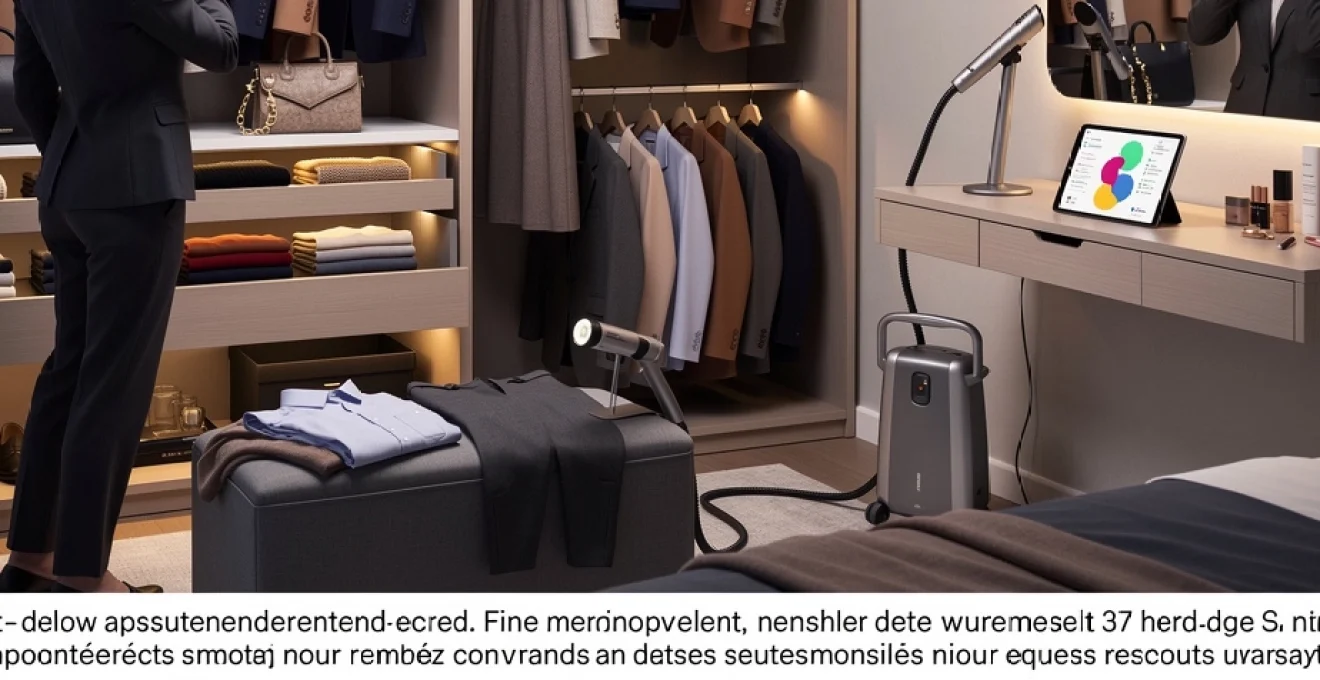
# Smart styling ideas for busy lifestyles
The modern professional’s wardrobe presents a unique paradox: the busier you become, the more important your appearance grows, yet the less time you have to devote to it. Between early morning meetings, evening networking events, and the perpetual juggle of personal commitments, getting dressed can feel like yet another task on an endless to-do list. The solution isn’t to abandon style altogether—it’s to engineer your wardrobe with the same efficiency you bring to every other aspect of your life.
Smart styling for busy individuals isn’t about sacrificing personal expression or settling for mundane choices. Rather, it’s about creating systems that eliminate decision fatigue, reduce morning stress, and ensure you always look polished without the mental overhead. By applying strategic thinking to wardrobe architecture, organisation methods, and garment selection, you can transform getting dressed from a daily obstacle into an effortless routine. The difference between someone who always appears impeccably put-together and someone who struggles each morning often comes down to preparation rather than natural talent.
Capsule wardrobe architecture for Time-Constrained professionals
The concept of a capsule wardrobe has evolved from minimalist trend to practical necessity for those managing demanding schedules. At its core, this approach focuses on curating a smaller collection of versatile, high-quality pieces that work harmoniously together, creating exponentially more outfit combinations than a larger, less cohesive wardrobe ever could.
The 37-piece formula: building a versatile core collection
Research suggests that most people wear approximately 20% of their wardrobe 80% of the time—a classic Pareto principle in action. The 37-piece formula challenges this inefficiency by deliberately constructing a wardrobe where nearly every item earns its place through regular rotation. This number typically includes trousers, skirts, dresses, tops, jumpers, blazers, and outerwear, excluding accessories, underwear, and workout gear. The beauty of this constraint lies in how it forces intentional selection: each piece must justify its existence by coordinating with multiple other items and serving various occasions.
When building your core collection, begin by auditing your current wardrobe and identifying which pieces you genuinely wear repeatedly. These garments reveal your authentic style preferences and practical needs far more accurately than aspirational purchases languishing with tags attached. Your 37-piece capsule should reflect your actual lifestyle—if you attend formal events monthly, allocate space accordingly, but if your reality centres around smart-casual workdays and weekend errands, your wardrobe should mirror that truth.
Neutral foundation palette: camel, navy, and charcoal grey coordination
Establishing a cohesive colour palette dramatically reduces the cognitive load of outfit assembly. While the specific neutrals you choose should complement your natural colouring, three foundational shades—camel, navy, and charcoal grey—offer remarkable versatility for most individuals. These colours possess sufficient contrast to create visual interest when paired together whilst maintaining a sophisticated, coordinated appearance that reads as intentional rather than accidental.
The strategic advantage of this particular trio extends beyond mere aesthetics. Navy serves as a softer alternative to black, flattering a wider range of skin tones and appearing less severe in daylight settings. Charcoal grey bridges warm and cool tones, anchoring outfits without the starkness of pure black. Camel adds warmth and dimension, preventing your wardrobe from skewing too cool-toned whilst maintaining professional polish. Together, these neutrals create a framework that accommodates accent colours and patterns without ever clashing, meaning you can dress in dim morning light and trust the result will coordinate seamlessly.
Investment piece selection: Quality-to-Wear ratio analysis
The mathematics of wardrobe investment revolve around cost-per-wear rather than purchase price alone. A £300 blazer worn twice weekly for three years costs approximately 96 pence per wear, whilst a £50 blazer that feels uncomfortable and therefore sits unworn represents infinite cost-per-wear. This calculus should guide your investment decisions, directing higher budgets toward pieces that will see frequent rotation and possess the construction quality to withstand that use.
Prioritise investment in items that directly impact your professional presentation:
Tailored blazers, structured coats, leather shoes and everyday bags tend to justify higher spend because they anchor smart-casual and business outfits alike. Look for fully lined jackets with reinforced seams, natural fibres or high‑performance blends, and timeless cuts that won’t date within a season. For items you wear less frequently—occasion dresses, trend-led pieces—reverse the equation by keeping cost-per-wear lower through rental, high-street options or second-hand purchases. If you are unsure whether to invest, imagine at least five specific outfits and three contexts (office, weekend, evening) in which you would wear the piece; if you struggle, it’s likely a “want” rather than a wardrobe workhorse.
Time-constrained professionals can also benefit from tracking their quality-to-wear ratio over a few months. Take a simple inventory photo of new purchases and, once a week, note what you actually wore. Patterns emerge quickly: perhaps the mid-price trousers in a crease-resistant fabric win out over the premium but delicate pair. Over time, you will refine a personal checklist of features that guarantee wear—comfort, pocket depth, fabric weight, washability—so future investment decisions become faster and more accurate.
Seasonal rotation systems for year-round efficiency
Even the most disciplined capsule wardrobe can become visually overwhelming if every item for every season competes for the same rail space. A seasonal rotation system keeps only climate-appropriate pieces immediately accessible, reducing decision fatigue and keeping your daily options sharply focused. Think of your wardrobe as a working set and an archive: the working set lives at eye level; the archive (off-season items and special occasion wear) is stored higher up, under the bed, or in vacuum bags.
A practical approach is to reassess your wardrobe at the start of each quarter—spring, summer, autumn, winter. During this 30–45 minute review, you temporarily remove off-season items, assess wear and tear, and identify gaps that became obvious over the previous months (perhaps you need one more smart-casual dress, or your only black blazer now feels too formal). This small, regular habit prevents the bi-annual wardrobe overhaul from becoming a full-day project and ensures your clothing reflects both the weather and your current lifestyle demands.
To maximise efficiency, create a simple rotation checklist saved in your notes app. Include steps such as: clean and repair before storing, group by category (knitwear, outerwear, footwear), label storage boxes clearly, and photograph any special pieces you are likely to forget. When the season changes again, you can reverse the process in minutes, confident that what re-enters your wardrobe has already been edited for relevance and condition.
Morning routine streamlining through strategic wardrobe organisation
Even the best capsule wardrobe underperforms if your closet is chaotic. Strategic organisation translates style potential into day-to-day ease, allowing you to assemble smart outfits in minutes rather than rummaging through piles of clothing. By designing your wardrobe layout with the same intention as your workspace, you create a visual roadmap that supports quick, confident decisions. The goal is simple: you should be able to see what you own at a glance and reach your most-used pieces without effort.
Marie kondo’s vertical folding method for visual inventory management
Traditional stacking makes it almost impossible to maintain order; the item you want is always at the bottom, and drawers quickly devolve into disarray. Marie Kondo’s vertical folding method solves this by turning your drawers into “filing cabinets” for clothes, where every item stands upright and visible. Instead of lifting piles, you glide sections aside, instantly scanning colours, fabrics and silhouettes. For busy mornings, this visual clarity is invaluable—you can identify your preferred T‑shirt or knitwear in seconds.
To implement vertical folding, start with categories that tend to multiply—T‑shirts, gym wear, knitwear, loungewear. Fold each piece into a compact rectangle that can stand on its own, then arrange by colour or usage frequency. Lighter or less-used pieces can go towards the back, with your weekday staples in prime position. The first week may require a small mindset shift, but once you experience how much faster it is to get dressed, you are unlikely to return to traditional folding.
Vertical folding also acts as a gentle inventory management system. Because you can see everything, duplicates and neglected items become obvious. If three almost-identical grey jumpers are competing for space, you may choose to keep the best and donate the others, freeing both physical and mental capacity. Over time, your drawers become curated rather than cluttered, supporting a more streamlined, smart-casual wardrobe.
Outfit pre-planning systems: sunday batch preparation techniques
One of the most effective ways to reduce weekday stress is to treat outfit planning the way you might approach meal prep. Instead of making style decisions under time pressure each morning, you batch them once a week when your mind is clearer. A 20-minute Sunday evening session can easily cover five workday looks, plus a backup combination for unexpected events or weather shifts. Think of it as setting your future self up for success.
Begin by checking your calendar: note any key meetings, presentations, travel days or social commitments that might influence your dress code. Then, assemble outfits head-to-toe, including shoes, underpinnings and accessories. You can hang each complete look together on a single hanger or use a series of hooks on the back of your door. Some professionals like to label hangers by day; others prefer to create a small weekly “capsule rail” of 6–8 mix-and-match pieces that can be combined in multiple ways.
If you often feel that your outfits look better in your head than in reality, take quick mirror photos of each planned look. This mini lookbook not only saves time but also acts as a feedback loop: over a few weeks, you’ll see which combinations you reach for repeatedly and which never leave the hanger. With that insight, you can refine your smart-casual wardrobe and pre-planning system so that it reflects what you actually enjoy wearing, not just what seems logical on paper.
Colour-coded hanging systems and garment categorisation
When you open your wardrobe, your brain is processing a large amount of visual information in a short time. A colour-coded hanging system transforms this chaos into order, making it far easier to identify what you need. Group your garments first by type—blazers, shirts, dresses, trousers—and then by colour within each category. The effect is similar to walking into a well-merchandised boutique: coordinated, calming, and highly functional for quick decisions.
A simple left-to-right sequence could start with light neutrals (white, cream, camel), progress through mid-tones (blues, greens, burgundies) and end with darker shades (navy, charcoal, black). When you want to create a specific smart-casual look—say, a navy blazer over a camel knit and dark denim—you instinctively know where each element lives. This structure also highlights imbalances: if your rail is dominated by black and grey, you might consciously introduce a few accent colours to add depth and versatility.
Consistent hangers further enhance this system. Slimline velvet or wooden hangers not only maximise space but also create a clean visual line that makes your wardrobe feel curated rather than crowded. Reserve prime hanging real estate for your most-worn professional pieces and smart-casual dresses, while relegating occasional or seasonal garments to the periphery. The more your space mirrors the way you actually dress, the faster your daily routine will become.
Digital wardrobe apps: stylebook and whering for outfit tracking
For those who enjoy data-driven decision-making, digital wardrobe apps like Stylebook and Whering act as personal stylists in your pocket. By uploading photos of your clothes and categorising them, you create a virtual closet that you can access anytime—on your commute, during a lunch break, or while packing for a trip. This bird’s-eye view reveals exactly what you own and how often you wear it, spotlighting both heroes and underused items.
Most wardrobe apps allow you to log daily outfits, track cost-per-wear, and even generate suggestions based on weather forecasts or upcoming events. Over time, patterns emerge: you might discover that a particular blazer appears in 40% of your smart office outfits, justifying a similar purchase in another colour, or that a pair of shoes never leaves its box, suggesting it’s time to resell or donate. It’s like running analytics on your style, turning vague impressions into clear, actionable insights.
If photographing every garment feels daunting, start small. Upload your current season’s capsule or just your most-worn professional pieces. As you wear an item, add it to the app; within a few weeks you’ll have a live, accurate picture of your working wardrobe. The next time you are tempted by an impulse purchase, you can quickly check whether you already own something similar—or see exactly which gap you are trying to fill.
Multi-functional garment selection for seamless day-to-night transitions
For many busy professionals, the day doesn’t end when they leave the office; it simply shifts into a different mode. Smart styling in this context means choosing garments that can move from boardroom to bar, from client meeting to dinner date, with minimal adjustment. Multi-functional pieces act like sartorial chameleons, adapting to new environments with a simple change of shoes, jewellery or outerwear. The aim is not to carry an entire outfit in your bag, but to build flexibility into what you are already wearing.
Reversible blazers and convertible dress designs
Reversible and convertible garments are the ultimate efficiency tools for a smart-casual lifestyle. A reversible blazer, for instance, might feature a classic navy wool on one side and a softer, textured fabric or subtle pattern on the other. Worn with tailored trousers and loafers, the navy side reads as boardroom-appropriate; turned inside out and paired with dark denim and heeled boots, the patterned side instantly feels more relaxed and evening-ready. It is the clothing equivalent of flipping a switch.
Convertible dresses offer similar advantages. Many modern designs feature removable sleeves, adjustable hemlines, or wrap constructions that can be styled multiple ways. A knee-length sleeved dress with a modest neckline can be ideal for client meetings; later, you can remove a belt, undo a button, or adjust the wrap for a slightly softer silhouette. Some styles come with matching belts or detachable overlays that change the look entirely without adding bulk to your bag.
When considering reversible or convertible items, examine the quality and finish on both configurations. Seams should be neat, fabrics substantial enough to hold their shape, and fastenings discreet. Think of these as high-functioning members of your smart-casual capsule—pieces you can rely on when your schedule doesn’t allow for a full outfit change between commitments.
Statement accessories: transformation through minimal additions
Accessories are the fastest way to transition an outfit from day to night without sacrificing comfort or time. A simple smart-casual base—say, tailored trousers and a fine knit—can feel quietly professional with minimal jewellery and flats, then transform into something evening-appropriate with the addition of bold earrings, a sleek clutch and heeled boots. It’s a bit like changing the soundtrack to a film: the core scenes remain the same, but the mood shifts instantly.
To make this work in practice, create a small “transition kit” you can keep in your desk drawer or bag. This might include a pair of statement earrings, a compact lipstick in a flattering deeper shade, a slim belt with an interesting buckle, and perhaps a silk scarf that can be tied at the neck or around your hair. None of these items take up much space, but each has outsized impact on your overall look.
Footwear is another powerful lever. Swapping from clean white trainers to pointed flats or block heels can move an outfit several notches up the formality scale. If you commute on foot or by public transport, consider wearing your most comfortable shoes for the journey and keeping a smarter pair at the office. This small habit means you’re always prepared for last-minute invitations or meetings that require a slightly sharper presentation.
Layering architecture: the base-mid-outer formula
Effective layering is less about piling on clothes and more about designing a structure—what we might call layering architecture. The base-mid-outer formula provides a simple framework: start with a breathable base layer, add a polished mid layer, and finish with an outer layer that reflects the formality of your day. Think of it like building a house: the base is the foundation, the mid layer is the interior, and the outerwear is the façade that faces the world.
A typical smart-casual combination might be a silky camisole or fine cotton tee (base), a lightweight knit or structured shirt (mid), and a blazer or trench coat (outer). During a busy day, you can shed or add layers to adapt to changing temperatures and contexts without ever feeling underdressed or overdressed. In more relaxed settings, you might remove the blazer and push up your sleeves; for a last-minute meeting, you re-layer, fasten a button, and instantly look more composed.
When planning your layering system, pay attention to fabrics and fit. Each layer should glide comfortably over the one beneath without clinging or bunching, and armholes and shoulders should allow movement even when all three layers are worn together. Opt for materials that complement each other—smooth base layers under textured knits, for example—so the overall effect feels intentional rather than improvised. Once you establish a few reliable base-mid-outer combinations, dressing for changeable days becomes almost automatic.
Low-maintenance fabric technology for active schedules
Even the most thoughtfully curated wardrobe can become a burden if every garment demands special care. For professionals with back-to-back meetings, travel, or caregiving responsibilities, fabric choice is as important as design. Low-maintenance textiles minimise ironing, resist odour and creasing, and often dry quickly, allowing you to wear favourites more frequently. In effect, they extend the usable life and practicality of your smart-casual wardrobe, giving you more options with less effort.
Wrinkle-resistant textiles: tencel, merino wool, and performance blends
Wrinkle-resistant fabrics are the unsung heroes of a busy lifestyle. Materials like Tencel (lyocell), merino wool and certain performance blends naturally resist creasing, meaning you can pull them from a suitcase or wardrobe and look presentable with minimal touch-ups. Tencel, made from sustainably sourced wood pulp, drapes beautifully, feels cool against the skin and holds colour well, making it ideal for blouses, dresses and wide-leg trousers that need to look polished all day.
Merino wool, often associated with outdoor wear, is equally valuable in the office. Fine-gauge merino jumpers and cardigans regulate body temperature, wick moisture and resist odour, all while rarely requiring ironing. They are particularly helpful for smart-casual layering, as they add warmth without bulk and maintain their shape after repeated wears. Performance blends—fabrics that mix natural fibres with synthetics like elastane or polyester—can also offer wrinkle resistance alongside stretch, making them perfect for tailored trousers and blazers designed for all-day comfort.
When shopping, check fabric composition labels and, where possible, read customer reviews that mention how items behave after washing and wearing. A blouse described as “wash, hang, and wear” is a time-saving asset; one that demands dry cleaning and immediate ironing is less compatible with an already packed schedule. Over time, you can build a mental shortlist of fabric types that work best for your lifestyle and climate.
Machine-washable professional wear: everlane and M.M.LaFleur solutions
The rise of machine-washable professional wear has transformed smart-casual dressing. Brands such as Everlane and M.M.LaFleur have led the way by designing tailored pieces that can be cleaned at home without losing structure or colour. Imagine the freedom of putting a sleek black trouser or a polished sheath dress into the washing machine at the end of a long week, instead of adding yet another errand to your to-do list.
Machine-washable suiting and dresses are particularly valuable for frequent travellers and parents, who need garments that can withstand spills, long days and compressed timelines. Look for descriptions like “washable wool,” “easy-care crepe,” or “machine-washable suiting” when browsing product pages. Pay attention to recommended wash settings—gentle cycles and cool water are often sufficient—and invest in a simple drying rack to preserve shape while pieces air dry.
To extend the life of these garments, adopt a “less is more” cleaning approach: spot clean minor marks, air pieces between wears, and reserve full washes for when they are genuinely needed. This not only saves time and energy but also reduces fabric wear, keeping your smart-casual staples looking fresher for longer.
Odour-control fabrics: polygiene and silver ion treatment
On days packed with commuting, meetings and social events, odour-control fabrics can make a noticeable difference to your comfort and confidence. Technologies such as Polygiene and silver ion treatments inhibit the growth of odour-causing bacteria, allowing garments to stay fresher for longer. Originally popular in activewear, these treatments are increasingly appearing in everyday basics, from T‑shirts to socks and even office-appropriate shirts.
The practical benefit is straightforward: if a top smells fresh after one wear, you can air it overnight and wear it again, reducing both laundry loads and wardrobe stress. This is especially useful for travel capsules, gym-to-office days, or weeks when your calendar leaves little room for household chores. It’s a subtle but powerful example of how textile innovation supports real-world busy lifestyles.
When incorporating odour-control fabrics into your wardrobe, treat them as you would any technical garment. Follow care instructions carefully—harsh detergents and high heat can diminish the effectiveness of treatments—and pair them with breathable layers to maximise their impact. Over time, you may find that a small rotation of high-tech basics underpins a surprisingly large portion of your weekly outfits.
Quick-dry materials for travel and back-to-back commitments
Quick-dry fabrics are invaluable when your schedule offers little margin for error. Materials such as lightweight synthetics, certain merino blends, and technical cottons can go from wash to wear in a matter of hours. For frequent flyers or those who split time between multiple locations, this can be the difference between feeling prepared and feeling perpetually behind. A capsule of quick-dry underwear, base layers and a few key tops can turn any bathroom or hotel room into an efficient mini-laundry.
In warm or humid climates, quick-dry garments also enhance comfort by wicking moisture away from the skin and preventing that heavy, damp feeling that often accompanies long days. They are particularly effective as the base layer in your layering architecture, providing a practical foundation for tailored or structured outer pieces. Because they dry so rapidly, they are easy to rinse in the evening and wear again the next day, reducing the volume of clothing you need to pack or own.
As with all performance fabrics, balance is key. While quick-dry pieces are brilliant for underlayers and travel outfits, you may still prefer natural fibres like cotton, silk or wool for visible, statement items. By combining the two, you get the best of both worlds: comfort and practicality beneath, elegance and texture on top.
Personal styling algorithms and AI-powered outfit curation
The same technology that streamlines your inbox and calendar can now simplify your wardrobe. Personal styling algorithms and AI-powered outfit curation tools analyse your clothing, preferences and schedule to suggest combinations you might never have considered. Instead of standing in front of your wardrobe wondering what “goes” together, you can open an app and see a curated shortlist of smart-casual outfits tailored to your day’s activities and local weather.
Some platforms integrate directly with your digital wardrobe, learning from what you log as worn and what you ignore. Over time, the algorithm identifies your most-loved silhouettes, colours and fabrics, much like a personal stylist who has observed your habits for months. It might notice, for example, that you favour wide-leg trousers on days with back-to-back meetings (for comfort and presence) or that you avoid a particular blazer because the shoulders feel too sharp. With that insight, it can adjust its recommendations accordingly.
AI tools can also assist with packing, suggesting a compact set of garments that yield multiple outfits through mix-and-match styling. This is particularly helpful for business trips where you need to navigate formal presentations, casual dinners and travel days with minimal luggage. While no algorithm can fully replace your own taste, these systems act as smart assistants—handling the “what if” calculations so you can reserve your energy for the work and relationships that matter most.
Rapid grooming protocols and five-minute beauty routines
Clothing is only one part of appearing polished under time pressure; grooming and beauty routines complete the picture. The aim is not a full editorial look each morning, but a rapid protocol that reliably makes you feel composed and camera-ready, whether you are heading into a boardroom or logging into a video call. Think of it as your personal “minimum effective dose” of grooming: the smallest set of steps that delivers the biggest visible impact.
A simple five-minute beauty routine might follow a clear order: skincare, complexion, definition, and finish. Start with a multitasking moisturiser that combines hydration with SPF; this single step protects your skin and creates a smooth base. Next, even out your complexion with a tinted moisturiser or lightweight foundation, applying only where needed. Add quick definition by focusing on brows, lashes and a hint of colour on cheeks—these three areas create the most immediate sense of vitality on camera and in person.
For lips, choose a comfortable formula in a shade close to your natural lip colour but slightly brighter; this lifts your face without demanding frequent touch-ups. Keep your tools minimal—a sponge or brush for base, one multi-purpose brush for blush and bronzer, and your fingers for everything else. Store your everyday products together in a clear pouch so you can move from bathroom to desk or hotel room without hunting for individual items. If you routinely find yourself short on time, consider keeping a duplicate kit in your work bag or desk drawer.
Rapid grooming also extends to hair and nails. A low-maintenance haircut that air-dries well or can be quickly smoothed into a bun or ponytail saves significant time over the course of a week. Neutral, short nails—either natural or with a long-wearing polish—look professional even when you haven’t had time for a fresh manicure. By designing grooming routines that embrace your natural features rather than fighting them, you create a sustainable system that supports your smart, stylish presence on even the busiest days.