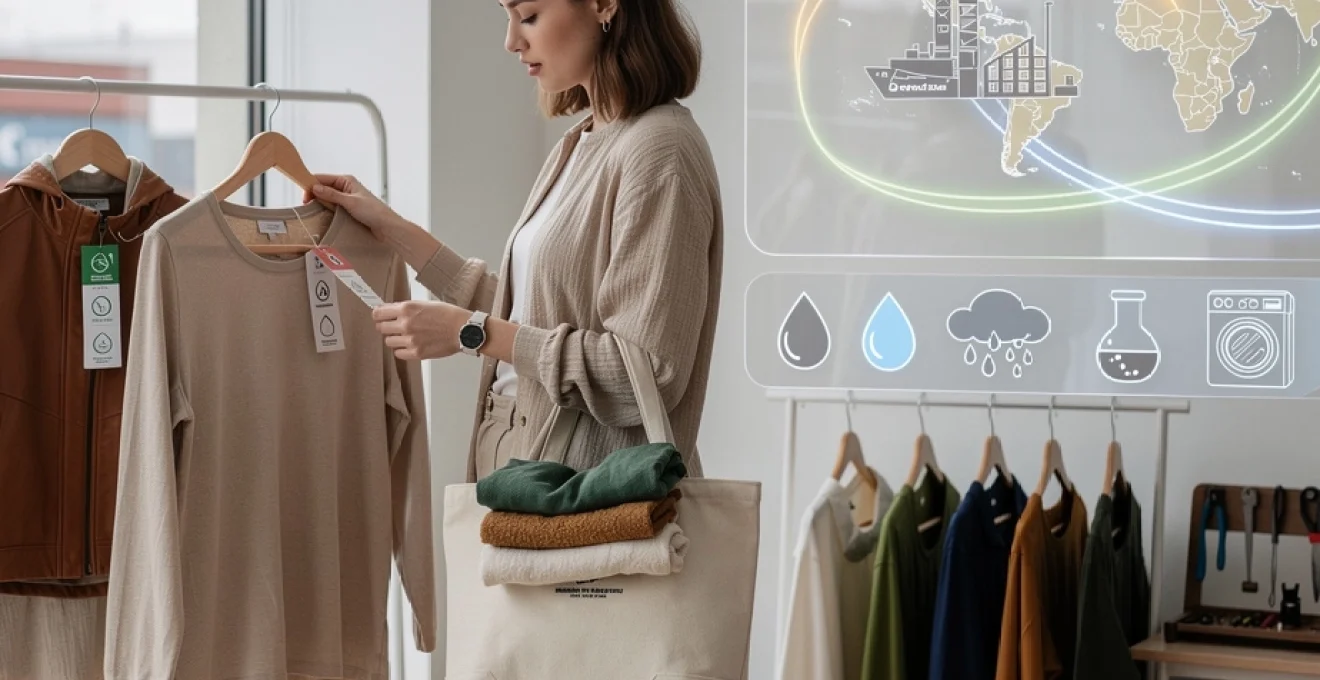
Fashion has evolved from a basic necessity into a complex global industry worth over $2.5 trillion annually, yet this transformation comes with unprecedented environmental and social costs. The rise of fast fashion has fundamentally altered how society approaches clothing, creating a culture of disposability that generates 92 million tonnes of textile waste annually whilst exploiting vulnerable workers across developing nations. As awareness of these impacts grows, consumers increasingly recognise the urgent need for more conscious purchasing decisions that align with both personal values and planetary wellbeing. This shift towards mindful fashion consumption represents not merely a trend, but a fundamental reimagining of our relationship with clothing—one that prioritises quality over quantity, transparency over obscurity, and long-term sustainability over short-term gratification.
Environmental impact assessment of fast fashion manufacturing processes
The environmental footprint of contemporary fashion manufacturing extends far beyond the visible garments hanging in retail stores. Every stage of production, from raw material extraction to final disposal, contributes to a cascade of environmental challenges that demand urgent attention. Understanding these impacts provides the foundation for making more informed consumption choices that can collectively drive industry transformation towards sustainable practices.
Carbon footprint analysis in textile production supply chains
Textile production generates approximately 10% of global carbon emissions, making it one of the most carbon-intensive industries worldwide. The complex supply chains typical of fast fashion amplify these emissions through multiple transportation stages, energy-intensive manufacturing processes, and reliance on fossil fuel-derived synthetic materials. A single cotton t-shirt can generate up to 20 kilograms of CO2 equivalent emissions throughout its lifecycle, whilst polyester garments require 70% more energy to produce than cotton alternatives. The geographical distribution of production facilities across Asia, combined with Western consumption patterns, creates additional transportation emissions that significantly increase the carbon intensity of each garment.
Manufacturing facilities in countries like Bangladesh and Vietnam often rely on coal-powered energy grids, further amplifying the carbon footprint of textile production. The dyeing and finishing processes alone account for approximately 20% of total industrial water pollution globally, whilst simultaneously generating substantial greenhouse gas emissions through energy-intensive heating and chemical processing requirements. These emissions compound when considering the short lifespan of fast fashion items, which are typically discarded after fewer than ten wears, making their carbon cost per use extraordinarily high compared to durable alternatives.
Water consumption metrics in cotton and polyester manufacturing
Water usage in textile manufacturing presents one of the industry’s most pressing environmental challenges, with conventional cotton production requiring approximately 2,700 litres of water to produce a single t-shirt. This figure becomes even more concerning when considering that much cotton cultivation occurs in water-stressed regions, where irrigation for textile crops competes directly with local food production and community water needs. The Aral Sea disaster serves as a stark reminder of how intensive cotton farming can devastate entire ecosystems, transforming what was once the world’s fourth-largest lake into a toxic wasteland.
Polyester production, whilst requiring less direct water usage during fibre creation, generates significant water pollution through chemical processing and contributes to microplastic contamination through washing cycles. The synthetic nature of polyester means it cannot biodegrade, creating persistent environmental contamination that affects marine ecosystems for decades. Additionally, the dyeing and finishing processes for both natural and synthetic fibres consume vast quantities of water whilst introducing harmful chemicals into local water systems, particularly in developing countries where environmental regulations may be less stringent or poorly enforced.
Chemical pollution from synthetic dye processing in bangladesh and vietnam
The vibrant colours that characterise modern fashion come at a significant environmental cost, particularly in major textile manufacturing hubs like Bangladesh and Vietnam. These countries process millions of garments annually using chemical dyes and finishing treatments that frequently contain heavy metals, formaldehyde, and other toxic substances. The Citarum River in Indonesia and various waterways throughout Bangladesh have become so polluted with textile chemicals that local communities can no longer use them for drinking water or fishing, fundamentally altering traditional livelihoods.
Synthetic dye processing releases approximately 200,000 tonnes of dyes into waterways annually, creating environmental contamination that persists for years whilst affecting local biodiversity and human health. Many facilities lack adequate wastewater treatment systems, meaning these chemicals flow directly into rivers and groundwater systems that serve millions of people. The health implications for workers in these facilities are equally concerning, with studies indicating elevated rates of respiratory
illness, skin conditions, and certain cancers among those exposed to untreated effluents. For surrounding communities, long-term exposure to contaminated water has been linked to gastrointestinal disorders and developmental problems in children, underscoring how the low retail price of fast fashion is often subsidised by the health of distant populations. As conscious consumers become more aware of this invisible chemical footprint, the demand for non-toxic dyes, closed-loop water treatment, and certified cleaner production methods is increasing, placing pressure on brands to reform their supply chains.
Microplastic shedding quantification from synthetic garment washing cycles
Beyond visible pollution, synthetic textiles such as polyester, nylon, and acrylic release microscopic plastic fibres every time they are washed. Studies estimate that a single 6-kilogram domestic wash load can shed between 700,000 and 1 million microfibres, many of which bypass wastewater treatment plants and end up in rivers, lakes, and oceans. These microplastics are now found in marine organisms from plankton to fish, eventually making their way into the human food chain and even drinking water systems.
Microplastic shedding is particularly pronounced in low-cost fast fashion garments, which often use lower-quality yarns and loose constructions that degrade more quickly. Fleece jackets, performance leggings, and fast-drying sportswear are among the worst offenders due to their high synthetic content and frequent washing cycles. While emerging technologies such as washing machine filters and fibre-catching laundry bags can significantly reduce fibre release, the most effective strategy remains reducing dependence on virgin synthetics, buying fewer, higher-quality pieces, and extending the life of existing garments through repair and considered care.
Circular economy principles in contemporary fashion business models
In response to the environmental and social harms of fast fashion, a growing number of brands are embracing circular economy principles that prioritise longevity, reuse, and closed-loop material cycles. Rather than following the traditional linear model of “take-make-dispose,” circular fashion aims to design waste out of the system from the outset. This shift involves rethinking everything from fibre selection and product design to logistics, aftercare services, and end-of-life pathways.
Circular fashion models are not merely theoretical; they are already being tested and scaled by pioneering companies across the globe. These initiatives demonstrate that it is possible to align profitability with planetary boundaries by extending product lifecycles, regenerating resources, and decoupling growth from the constant extraction of virgin materials. For consumers trying to practise mindful fashion consumption, understanding these real-world examples offers concrete guidance on which business models genuinely support sustainability and which simply repackage fast fashion under a greener narrative.
Patagonia’s worn wear programme and product lifecycle extension strategies
Patagonia’s Worn Wear programme is often cited as a benchmark for circular fashion in practice. Launched to keep garments in use for as long as possible, Worn Wear offers repairs, trade-ins, and resale of used Patagonia products, effectively extending the lifecycle of each item and reducing the need for new production. In some years, the company’s repair centres handle over 100,000 items, from broken zips to torn seams, demonstrating that durability and aftercare can be embedded into a mainstream outdoor brand.
Patagonia also encourages customers to embrace a “buy less, choose well” mindset, famously running campaigns that invite people to think twice before buying new. By providing care guides, repair tutorials, and transparent information about product impact, the brand empowers individuals to maintain their clothing rather than replacing it at the first sign of wear. For mindful consumers, supporting such models means actively participating in a culture of maintenance and reuse, where a jacket is viewed as a long-term companion rather than a single-season trend item.
Stella McCartney’s bio-fabricated material integration and supply chain innovation
Stella McCartney has positioned her label at the forefront of material innovation, rejecting conventional leather and fur in favour of cruelty-free and lower-impact alternatives. In recent years, the brand has partnered with biofabrication companies to experiment with lab-grown materials such as mycelium-based leather, which can significantly reduce the land, water, and methane emissions linked to livestock production. These bio-fabricated textiles are engineered at the cellular level, allowing for precise control over performance characteristics while minimising waste.
Integrating such materials requires rethinking supply chains from end to end, including new partnerships with biotech firms, updated dyeing and finishing processes, and revised quality-testing protocols. This kind of innovation illustrates how circular fashion is not only about recycling but also about designing new material systems that can be safely cycled or biodegraded at the end of their life. As these technologies mature, they offer consumers genuinely lower-impact options that align with mindful purchasing values, especially when combined with transparent communication about their benefits and limitations.
Rental fashion platforms: rent the runway’s market disruption analysis
Rental fashion platforms such as Rent the Runway have introduced an alternative to ownership-based consumption, particularly for occasion wear and high-end pieces that may only be worn a handful of times. By allowing customers to borrow garments for short periods, these services aim to increase the utilisation rate of each item, spreading its environmental footprint across many different users. In theory, this model can significantly reduce demand for new production, especially for garments that would otherwise be bought, worn once, and forgotten.
However, the sustainability of rental platforms depends on factors such as logistics efficiency, cleaning methods, and garment durability. Transport emissions, frequent dry cleaning, and packaging can offset some of the environmental gains if not managed carefully. For consumers seeking genuinely mindful fashion consumption, rental is most beneficial when used in place of purchasing new items, particularly for single-use occasions such as weddings or black-tie events. Choosing local rental options, consolidating shipments, and favouring robust, timeless designs within these platforms can further enhance their positive impact.
Closed-loop recycling technologies in eileen fisher’s renew programme
Eileen Fisher’s Renew programme offers a practical example of closed-loop recycling within a commercial fashion brand. Customers can return used Eileen Fisher garments, which are then cleaned, repaired, and resold through dedicated channels or transformed into new products through creative remanufacturing. Pieces that cannot be resold in their original form are deconstructed and used to create patchwork designs, accessories, or entirely new silhouettes, ensuring that material value is retained for as long as possible.
Alongside take-back and resale, Eileen Fisher invests in fibre-to-fibre recycling technologies that can break down textiles and regenerate new yarns. While these processes are still emerging and often limited to certain fibre blends, they point towards a future where clothing can be repeatedly cycled without relying on virgin resources. For mindful consumers, participating in such take-back schemes and prioritising garments designed with recyclability in mind are powerful ways to support the development of a genuinely circular fashion ecosystem.
Consumer behaviour psychology behind mindful fashion purchasing decisions
Understanding why we buy clothes the way we do is essential to shifting towards more mindful fashion consumption. Our purchasing habits are shaped by a complex web of psychological drivers, including social norms, emotional regulation, identity expression, and perceived value. Fast fashion exploits these drivers by offering constant novelty, low prices, and instant gratification, creating a feedback loop where buying becomes a quick fix for boredom, stress, or insecurity.
Breaking this loop requires conscious reflection on the motives behind each purchase. Are we buying to express our authentic style, or to keep up with an algorithm-driven trend cycle? Research in behavioural economics highlights the “value–action gap,” where many people express concern for sustainability yet still default to the cheapest or most convenient option. Strategies such as delaying purchases for 24 hours, tracking cost-per-wear, and setting intentional wardrobe goals can help bridge this gap, transforming impulse buying into deliberate decision-making aligned with long-term values.
Sustainable material innovation and certification standards
Materials sit at the heart of fashion’s environmental footprint, influencing everything from water use and chemical pollution to end-of-life outcomes. As demand for mindful fashion consumption grows, so does interest in fibres and fabrics that offer lower-impact alternatives to conventional textiles. Yet navigating sustainability claims can be confusing, with buzzwords such as “eco,” “green,” or “conscious” often used without clear definitions or evidence.
Certification standards and independent audits provide an important layer of accountability, helping consumers distinguish between robust sustainability efforts and mere marketing. At the same time, breakthrough materials—from organic cotton and regenerative wool to lab-grown leather and closed-loop cellulosics—are expanding what is possible in sustainable design. By understanding the strengths and trade-offs of these options, you can make purchasing choices that better reflect your values, budget, and performance needs.
Gots-certified organic cotton vs conventional cotton production methods
Cotton remains one of the most widely used fibres in fashion, but conventional cultivation is associated with heavy pesticide use, soil degradation, and high water demand. The Global Organic Textile Standard (GOTS) sets stringent criteria for organic cotton, covering not only the farming stage but also processing, dyeing, and social criteria across the supply chain. GOTS-certified organic cotton prohibits synthetic pesticides and fertilisers, promoting healthier soils and reduced chemical runoff into local waterways.
While organic cotton can still be water-intensive, particularly in arid regions, many certified producers rely more on rain-fed agriculture and improved water management practices. Compared to conventional cotton, GOTS-certified textiles also avoid hazardous chemicals in processing, protecting workers and consumers from harmful residues. For mindful fashion shoppers, choosing GOTS-labelled products where possible is a practical way to support more responsible agriculture and transparent supply chains, especially for basics such as t-shirts, underwear, and bedding that are worn close to the skin.
Lab-grown leather alternatives: biofabricate and modern meadow technologies
Traditional leather production raises serious ethical concerns around animal welfare as well as environmental issues linked to livestock farming and tanning chemicals. Lab-grown leather alternatives developed by companies such as Biofabricate and Modern Meadow offer a different pathway, using biotechnology to cultivate collagen or plant-based structures that mimic the look and feel of leather. These materials can drastically reduce land use, water consumption, and greenhouse gas emissions compared to conventional hides, especially when produced using renewable energy.
Biofabricated leathers also allow for precise control over thickness, texture, and performance, potentially reducing waste in manufacturing by eliminating defects and offcuts. However, these innovations are still in early commercial stages, often commanding premium prices and limited availability. For consumers engaged in mindful fashion consumption, keeping an eye on the development of lab-grown leather and supporting brands that trial these technologies can help accelerate their scale-up, ultimately making lower-impact materials more accessible to a wider audience.
Cradle to cradle certified fabric performance metrics
The Cradle to Cradle Certified framework evaluates products across five key categories: material health, material reutilisation, renewable energy and carbon management, water stewardship, and social fairness. Unlike traditional eco-labels that focus solely on reducing harm, Cradle to Cradle aims for regenerative design, where materials are safe enough to cycle endlessly through technical or biological systems. Fabrics with this certification are assessed for toxicity, recyclability, and potential for nutrient recovery at the end of their life.
For textiles, this means selecting dyes and finishes that are non-toxic, designing for disassembly, and ensuring fibres can be either composted or efficiently recycled. Performance metrics within the Cradle to Cradle system also encourage continuous improvement, with products graded from Basic to Platinum based on their progress. When you choose garments carrying this certification, you are not only reducing your individual impact but also supporting brands committed to long-term systemic change in material design and manufacturing.
Tencel lyocell production sustainability compared to viscose manufacturing
Tencel Lyocell, a branded form of lyocell fibre produced by Lenzing, is often highlighted as a more sustainable alternative to conventional viscose. Both fibres are derived from cellulose, typically sourced from wood pulp, but their production processes differ significantly. Traditional viscose manufacturing relies on carbon disulphide and other toxic chemicals, which can pose risks to workers and surrounding communities if not properly managed, and often operates in less regulated environments.
In contrast, Tencel Lyocell uses a closed-loop process where over 99% of the solvent is recovered and reused, drastically reducing chemical emissions and water pollution. The wood pulp is largely sourced from certified, sustainably managed forests, and the resulting fibre is biodegradable under the right conditions. For mindful consumers comparing fabric tags, choosing Tencel Lyocell over generic viscose can be a relatively straightforward way to lower environmental impact while still enjoying soft, breathable, and versatile garments suitable for everyday wear.
Technology integration in fashion transparency and traceability systems
Transparency has become a central demand of the mindful fashion movement, as consumers increasingly ask: Who made my clothes, and under what conditions? Emerging technologies offer powerful tools to answer these questions, enabling brands to map, monitor, and disclose complex supply chains that once remained opaque. Blockchain, for instance, can create immutable records of each step in a garment’s journey, from fibre sourcing to final assembly, making it harder to conceal unethical practices or falsify sustainability claims.
In parallel, digital product passports and QR codes sewn into care labels are beginning to provide real-time access to information about materials, factories, and recommended care or recycling options. Artificial intelligence and data analytics help brands forecast demand more accurately, reducing overproduction and unsold inventory—key drivers of waste in fast fashion. As these tools become more widespread, they offer you greater power to verify whether a brand’s sustainability promises are grounded in measurable action or simply marketing rhetoric, thereby supporting more informed and mindful purchasing decisions.
Economic implications of slow fashion movement on global textile markets
The rise of slow fashion and mindful consumption is reshaping the economics of the global textile industry. As more consumers prioritise durability, ethical production, and transparency, demand is gradually shifting away from ultra-fast, disposable garments towards fewer, higher-quality pieces. This trend challenges traditional growth models built on constant volume increases, pushing brands to explore new revenue streams such as repair services, resale platforms, and subscription models that monetise longevity rather than rapid turnover.
For producing countries heavily reliant on low-cost garment exports, the transition poses both risks and opportunities. On one hand, reduced demand for cheap, mass-produced items may affect employment in sectors built around high-volume manufacturing. On the other hand, investment in higher-value products, improved labour standards, and skills development can create more resilient, better-paid jobs over time. Policy interventions—such as extended producer responsibility, living wage legislation, and green innovation incentives—will play a crucial role in ensuring this shift benefits workers as well as the environment.
For individual consumers, embracing slow fashion can have positive financial implications too. While the upfront cost of a well-made garment may be higher, cost-per-wear often decreases substantially when items are used for many years rather than a few months. By reframing clothing as a long-term investment rather than a disposable commodity, we not only reduce pressure on planetary resources but also build wardrobes that support our wellbeing, values, and financial health. In this evolving landscape, every mindful choice you make sends an economic signal, nudging the textile market towards models that respect both people and the planet.