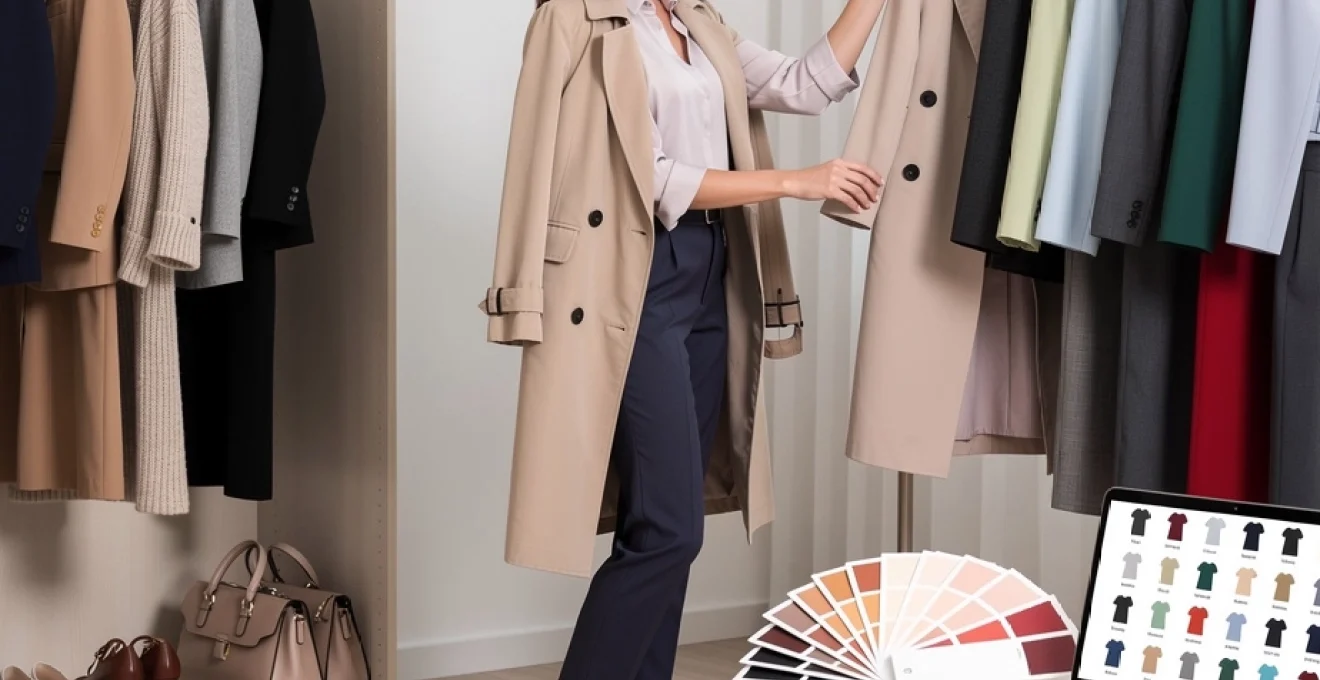
Modern professional dressing demands a sophisticated understanding of how functionality and visual appeal can coexist harmoniously. The contemporary workforce operates within environments where mobility, comfort, and professional presentation must align seamlessly. Whether you’re navigating climate-controlled offices, attending client meetings, or transitioning between various work settings, your wardrobe choices significantly impact both your performance and professional perception. This intricate balance between practical considerations and aesthetic excellence has evolved beyond simple compromise, becoming a strategic approach to personal presentation that acknowledges the complex demands of today’s professional landscape.
The challenge extends beyond selecting attractive clothing that functions adequately in professional settings. Strategic wardrobe development requires understanding how fabric technologies, construction techniques, and design principles work together to create garments that enhance rather than hinder your daily activities. Research indicates that professionals who dress appropriately for their role whilst maintaining comfort report 23% higher confidence levels throughout their workday, demonstrating the tangible benefits of this balanced approach.
Wardrobe architecture: building functional style foundations
Developing a professional wardrobe requires systematic planning that considers both immediate needs and long-term versatility. The foundation of effective wardrobe architecture lies in understanding how individual pieces interact to create multiple outfit combinations whilst maintaining consistent quality and aesthetic appeal. Professional styling consultants recommend building wardrobes around core principles that prioritise adaptability, durability, and visual cohesion across various professional scenarios.
Capsule wardrobe engineering for maximum versatility
The capsule wardrobe methodology transforms traditional shopping approaches by focusing on strategic piece selection rather than impulse purchases. This engineering approach requires analysing your professional environment, seasonal requirements, and personal style preferences to curate approximately 30-40 pieces that generate numerous outfit combinations. Research from fashion industry analysts demonstrates that well-engineered capsule wardrobes can produce over 100 distinct professional looks whilst reducing decision fatigue by 67%.
Successful capsule construction begins with identifying your professional colour palette, typically consisting of 3-4 neutral base colours supplemented by 2-3 accent colours that complement your personal colouring. Each piece should coordinate with at least three other wardrobe components, ensuring maximum versatility whilst maintaining visual sophistication. This systematic approach eliminates the common problem of purchasing attractive items that remain unworn due to limited styling options.
Investment piece selection: Cost-per-Wear analysis methods
Professional investment dressing requires mathematical precision when evaluating potential purchases. The cost-per-wear calculation provides objective analysis by dividing the initial purchase price by anticipated wearing frequency over the garment’s expected lifespan. Quality blazers, for instance, may command initial investments of £200-500 but generate cost-per-wear values below £5 when worn twice monthly over three years.
Investment piece identification focuses on items that serve multiple functions across various professional scenarios. Classic trench coats, well-fitted blazers, quality leather accessories, and versatile trousers typically offer superior cost-per-wear ratios compared to trend-driven alternatives. Industry data suggests that strategic investment purchasing reduces overall wardrobe costs by 35% whilst improving professional presentation consistency.
Seasonal transition planning: layering system development
Effective layering systems accommodate temperature fluctuations whilst maintaining professional appearance standards throughout transitional seasons. The strategic approach involves selecting base layers, mid-layers, and outer layers that complement each other aesthetically whilst providing practical climate control. Modern layering techniques leverage fabric technologies that offer temperature regulation without adding bulk or compromising silhouette integrity.
Professional layering systems typically incorporate lightweight merino wool base layers, structured cardigans or lightweight blazers as mid-layers, and sophisticated outerwear that complements rather than overwhelms the underlying outfit. This systematic approach ensures you remain appropriately dressed regardless of unexpected weather changes or varying indoor temperatures throughout your professional day.
Quality assessment techniques: fabric testing and construction evaluation
Understanding garment construction and fabric quality enables informed purchasing decisions that support long-term wardrobe investment strategies. Quality assessment begins with examining fabric composition, construction techniques, and finishing details that indicate manufacturing standards. Professional buyers recommend conducting the stretch test on potential purchases, gently pulling fabric to assess recovery properties and construction integrity.
Construction evaluation includes checking seam consistency, pattern matching at joints, and reinforcement at stress points such as pockets and closures. Turning garments inside out reveals finishing standards: clean overlocking, securely anchored buttons, and neatly finished hems suggest higher production values. Fabric testing also involves assessing opacity under strong light, resistance to pilling through gentle rubbing, and examining fibre content labels for misleading blends. Developing these quality assessment techniques helps you distinguish between garments designed for brief trend cycles and those engineered for long-term professional wear.
Colour theory applications in professional dressing
Colour choice significantly influences how your professional image is perceived before you speak. Strategic colour theory applications in daily dressing allow you to project authority, approachability, or creativity whilst remaining aligned with organisational culture. Psychological research on colour perception indicates that observers form initial impressions within 90 seconds, with up to 90% of that judgment influenced by colour alone. By applying structured colour theory principles, you transform your wardrobe into a deliberate communication tool rather than a random collection of hues.
Personal colour analysis: seasonal palette methodology
Personal colour analysis categorises individual colouring into seasonal palettes—Spring, Summer, Autumn, and Winter—based on undertone, value (lightness or darkness), and intensity. This methodology helps you identify which colours enhance your complexion, making you appear more rested and vibrant, and which shades create shadows or dullness. Professional image consultants often perform draping exercises with coloured fabrics, observing how each tone interacts with your skin, eyes, and hair. Once your primary palette is identified, you can prioritise these shades in high-impact pieces such as blouses, shirts, and scarves that frame your face in professional settings.
Adopting a seasonal palette also supports wardrobe cohesion and simplifies daily outfit selection. When most items fall within a coordinated colour family, combinations become easier and more visually harmonious. For example, a Winter palette professional might invest in cool-toned navy, charcoal, and crisp white foundations, accented with jewel tones like emerald or sapphire. Over time, this consistent approach reduces mismatched purchases and ensures that even new acquisitions integrate smoothly into your existing professional wardrobe.
Monochromatic coordination strategies for streamlined aesthetics
Monochromatic dressing—building an outfit from variations of a single colour—offers an efficient path to sophisticated, streamlined aesthetics. This approach elongates the body visually, reduces visual clutter, and communicates clarity and focus in professional environments. Rather than relying on identical shades, effective monochromatic coordination plays with subtle differences in tone, saturation, and texture to create depth and interest. For instance, pairing charcoal trousers with a light grey shirt and a mid-tone blazer produces a cohesive yet dimensional look.
Implementing monochromatic strategies can be particularly useful on high-pressure days when you want to minimise decision fatigue. By pre-selecting two or three core colours for this purpose—such as navy, grey, or camel—you can quickly assemble polished outfits with minimal effort. Incorporating varied fabrics like wool, silk, and cotton within the same colour family further enhances visual sophistication without sacrificing practicality. The result is a daily dressing system that feels intentional and refined while remaining simple to execute.
Contrast ratio optimisation in business attire
Contrast ratio refers to the visual difference between the lightness and darkness of colours within an outfit, particularly between your clothing and your natural colouring. Optimising this ratio helps you appear more balanced and energised, and it can subtly influence how authoritative or approachable you seem. Individuals with high natural contrast—such as dark hair and light skin—often suit bolder combinations like navy suits with white shirts. Those with lower contrast colouring typically appear more harmonious in softer pairings such as dove grey with muted blue.
Understanding contrast ratios also supports clear visual communication in professional environments. High-contrast outfits can project authority and assertiveness, making them suitable for presentations or negotiations. Lower contrast combinations, on the other hand, may feel more approachable and collaborative, ideal for coaching sessions or client relationship-building. By adjusting your outfit’s contrast level to suit the day’s objectives, you use colour as a strategic tool rather than a purely aesthetic choice.
Cultural colour symbolism in international business settings
When operating in international or multicultural contexts, cultural colour symbolism becomes an essential consideration in daily dressing. Colours that signify prosperity and good fortune in one culture may convey mourning or misfortune in another. For example, whilst white is often associated with purity in Western contexts, it traditionally represents mourning in parts of East Asia. Similarly, certain shades of red symbolise celebration and luck in many Asian cultures but may appear overly aggressive in conservative Western boardrooms when overused.
Before important cross-cultural meetings, researching local colour associations helps you avoid inadvertent miscommunication. Neutral business colours such as navy, charcoal, and mid-grey generally travel well across cultures, providing a reliable foundation. You can then introduce carefully selected accent colours—such as a tie, scarf, or pocket square—that respect local symbolism whilst still expressing personal style. This thoughtful approach demonstrates cultural sensitivity and enhances your professional credibility in global business environments.
Fit optimisation techniques across body geometries
Fit remains one of the most critical determinants of whether an outfit appears intentional and polished or accidental and uncomfortable. Regardless of your body geometry—whether straighter, curvier, or somewhere in between—optimising fit ensures both physical ease and visual balance. Industry surveys reveal that over 60% of returns in online fashion retail stem from fit issues, highlighting how frequently standard sizing fails to accommodate real bodies. Developing a working knowledge of your proportions and common alteration needs transforms shopping from guesswork into targeted selection.
Start by identifying your core measurements: shoulder width, bust or chest, waist, hip, and inseam, along with rise and sleeve length. Compare these against brand-specific size charts, noting which labels consistently align with your proportions. Where off-the-rack garments fall short, strategic tailoring bridges the gap between mass production and individual anatomy. Simple adjustments—hemming trousers, shaping waist seams, shortening sleeves, or refining shoulder fits—can dramatically elevate both comfort and aesthetics, often at a fraction of the garment’s original cost.
Different body geometries benefit from distinct fit strategies that balance lines and volumes. For example, individuals with broader shoulders may prefer soft-structured blazers and set-in sleeves that avoid adding unnecessary width, while curvier figures often gain definition from subtle waist shaping and fabrics with moderate stretch. Vertical proportions also matter: shorter torsos may be better served by mid-rise trousers and slightly cropped jackets, whereas longer torsos often require deeper rises and extended jacket lengths to maintain balance. By observing how seams, darts, and hemlines interact with your unique frame, you begin to select designs that work with your body rather than against it.
Practical fit optimisation also considers movement patterns throughout your professional day. Can you raise your arms, sit for extended periods, or climb stairs comfortably in your chosen outfit? Conduct a “movement test” in fitting rooms or at home by simulating typical tasks: reaching for shelves, typing at a desk, or walking briskly. Garments that pass these tests without pulling, gaping, or restricting circulation are more likely to deliver long-term wearability, reinforcing the balance between practicality and aesthetics in daily dressing.
Fabric technology integration for performance-driven style
Advancements in fabric technology have significantly expanded what is possible in performance-driven professional style. Where traditional workwear often forced a choice between comfort and formality, modern textiles can deliver stretch, breathability, and resilience whilst retaining a polished appearance. Market data shows increasing adoption of technical fabrics in suiting, shirting, and footwear, reflecting growing demand for garments that support active, mobile workdays. By understanding key fabric innovations, you can intentionally select pieces that enhance both your professional image and your physical comfort.
Moisture-wicking textiles in professional environments
Moisture-wicking fabrics draw perspiration away from the skin and disperse it across the garment surface, where it can evaporate more quickly. Originally developed for athletic wear, these textiles now appear in office-appropriate pieces such as undershirts, dress shirts, and tailored trousers. For professionals who commute, present frequently, or navigate variable indoor climates, moisture-wicking layers can be the difference between feeling composed and feeling self-conscious. Incorporating these fabrics as base layers allows you to maintain a crisp external appearance even under pressure.
When evaluating moisture-wicking garments for professional environments, prioritise subtle finishes and refined textures over overtly sporty aesthetics. Many manufacturers now blend technical fibres such as polyester or nylon with natural materials like cotton, bamboo, or merino wool to balance performance with a classic look. You might choose a moisture-wicking dress shirt that appears indistinguishable from traditional cotton but performs dramatically better during long meetings or travel days. This integration of technical benefits beneath a conventional exterior epitomises the balance of practicality and aesthetics in daily dressing.
Wrinkle-resistant fibres: polyester blends vs natural alternatives
Wrinkle resistance is a critical factor for professionals who travel or maintain demanding schedules without frequent access to ironing facilities. Polyester blends have long been the dominant solution, offering strong resistance to creasing and rapid drying times. However, pure synthetic garments can sometimes trap heat, generate static, or appear overly shiny under office lighting. Modern fabric development addresses these concerns through carefully calibrated blends that combine the resilience of polyester with the breathability and drape of natural fibres.
Natural alternatives such as high-twist wool, Tencel (lyocell), and certain cotton weaves also provide impressive wrinkle resistance when constructed correctly. High-twist yarns, for example, spring back into shape after compression, making them ideal for travel suits and dresses. Tencel offers a smooth, fluid drape with lower creasing than standard cotton, while remaining breathable and comfortable against the skin. When choosing wrinkle-resistant pieces, consider both the fibre content and the intended use: do you need a garment that can emerge from a suitcase ready-to-wear, or simply a shirt that remains presentable throughout a long office day?
Temperature regulation through advanced material sciences
Temperature regulation technologies help your clothing adapt to varying conditions, supporting comfort across air-conditioned offices, outdoor commutes, and fluctuating seasonal climates. Phase-change materials, originally developed for aerospace applications, can absorb, store, and release heat to maintain a more stable microclimate next to the skin. These technologies now appear in linings, base layers, and even shoe insoles designed for extended wear. By moderating temperature swings, they reduce the likelihood of overheating in heated rooms or feeling chilled in over-cooled meeting spaces.
Natural fibres also play a key role in temperature-regulating wardrobes. Fine merino wool, for instance, can insulate in cold conditions while remaining breathable in warmer environments, making it an excellent choice for layering pieces and suiting. Blends that combine merino with technical fibres can further enhance durability and recovery. When planning your professional wardrobe, think of temperature-regulating fabrics as dynamic tools: they allow a smaller number of garments to function effectively across a wider range of environments, reducing the need for constant outfit changes.
Stain-resistant coatings: nanotechnology applications in fashion
Stain-resistant coatings leverage nanotechnology to create microscopic barriers on fabric surfaces, preventing liquids and dirt from penetrating fibres. This technology is particularly valuable for professionals who attend working lunches, commute on public transport, or work in hands-on environments where accidental spills are likely. By causing liquids to bead and roll off rather than soak in, these treatments extend the life of garments and preserve a neat appearance without requiring frequent dry cleaning. The practical benefits become especially apparent in light-coloured trousers, shirts, and outerwear that might otherwise be high-maintenance.
When considering stain-resistant garments, it is important to evaluate both performance and tactile qualities. High-quality coatings are typically invisible and do not noticeably alter fabric hand or breathability, whereas cheaper applications may create stiffness or a plastic-like sheen. Over time, repeated laundering can diminish effectiveness, so following care instructions is essential to maintain protective properties. Incorporating a few strategically chosen stain-resistant pieces—such as a light blazer or a pair of chinos—can significantly reduce wardrobe anxiety in your daily dressing routine.
Digital wardrobe management systems and style analytics
The rise of digital tools has transformed how we plan, track, and optimise our wardrobes. Digital wardrobe management systems allow you to catalogue garments, record outfit combinations, and monitor usage patterns over time. Much like financial budgeting software, these platforms use data to reveal underutilised assets and highlight gaps in your collection. By analysing which pieces you wear most often—and which rarely leave the hanger—you can make more informed decisions about future purchases and alterations.
Many style analytics applications now incorporate visual interfaces where you can drag and drop items to create virtual outfits before trying them on. This reduces morning decision fatigue and encourages more creative pairing of existing pieces, supporting both sustainability and cost-efficiency. Some platforms even provide weather and calendar integration, suggesting outfits based on forecast conditions and scheduled activities. Instead of asking “What should I wear today?” you begin to ask “Which pre-planned combination best supports today’s priorities?”—a subtle shift that streamlines your daily routine.
Digital wardrobe management also facilitates better cost-per-wear tracking, helping you validate or reconsider investment purchases. By logging each wear, you can observe how quickly high-quality items “pay for themselves” compared with impulse buys that see limited use. Over time, this data-driven approach refines your personal style strategy, revealing which silhouettes, colours, and fabrics genuinely suit your lifestyle. The result is a wardrobe that functions less as a static storage space and more as a dynamic, intelligently managed resource.
Sustainable fashion economics: longevity vs trend adoption
Sustainable fashion economics centres on the relationship between garment longevity and trend adoption, asking not only “How much does this cost?” but “How long will this serve me well?” Fast fashion’s rapid turnover may initially appear economical, yet frequent replacements and low durability often result in higher long-term expenditure. Studies from circular economy organisations indicate that extending a garment’s active life by just nine months can reduce its carbon, water, and waste footprint by 20–30%. When we view our wardrobes through this lens, longevity becomes both a financial and environmental strategy.
Balancing practicality and aesthetics in daily dressing means selectively engaging with trends rather than adopting them wholesale. You might integrate trend elements through lower-risk, lower-cost accessories—such as belts, jewellery, or scarves—while keeping high-investment items like coats, blazers, and shoes firmly anchored in timeless design. This approach allows you to enjoy the freshness of seasonal updates without compromising the structural integrity of your core wardrobe. Think of trends as spices in your style “recipe”: a little can transform the flavour, but too much can overwhelm the dish.
Longevity also depends on maintenance practices and repair habits. Regularly polishing leather shoes, de-pilling knitwear, and resecuring loose buttons can extend usability for years, sometimes decades. Many professionals now schedule wardrobe maintenance sessions much like financial reviews, setting aside time each season to assess, mend, and responsibly retire items. By investing in care rather than constant replacement, you shift from a disposable mindset to a custodial one, treating your wardrobe as an asset portfolio rather than a consumable.
Finally, sustainable fashion economics encourages a more intentional relationship with personal style. Instead of chasing each new look that crosses your social media feed, you evaluate whether it aligns with your lifestyle, body geometry, and existing wardrobe architecture. This disciplined approach does not suppress creativity; rather, it channels it into combinations and variations that genuinely serve you. In doing so, you create a daily dressing practice that honours both your practical needs and your aesthetic standards, proving that elegance and responsibility can coexist in every outfit you wear.