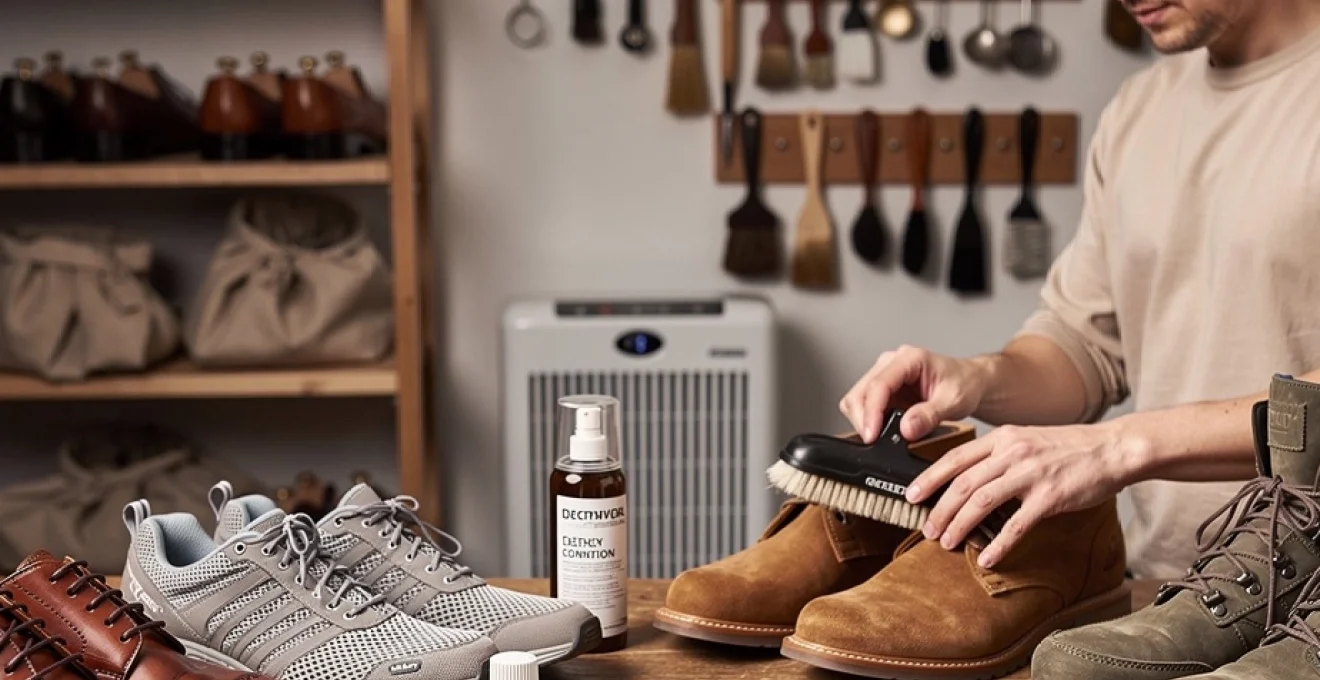
Your shoes endure more daily stress than perhaps any other item in your wardrobe. From the moment you slip them on in the morning until you kick them off at day’s end, they absorb impact, moisture, dirt, and environmental damage. The average person walks approximately 10,000 steps per day, which translates to roughly 115,000 miles over a lifetime—enough to circle the globe more than four times. Given this extraordinary workload, investing time and effort into proper shoe maintenance isn’t just economical; it’s essential for protecting your feet and maximizing the return on your footwear investment. Whether you’ve splurged on handcrafted Italian leather oxfords or invested in high-performance running trainers, understanding the fundamentals of shoe care can dramatically extend their functional lifespan while maintaining their aesthetic appeal.
Understanding shoe construction materials and their longevity requirements
The foundation of effective shoe maintenance begins with understanding what your footwear is actually made from. Different materials require vastly different care protocols, and applying the wrong treatment can cause irreversible damage. Modern footwear construction employs an impressive array of materials, each engineered for specific performance characteristics, comfort levels, and aesthetic qualities. Recognizing these distinctions allows you to tailor your maintenance approach to the unique needs of each pair in your collection.
Full-grain leather vs. corrected grain: durability and care protocols
Full-grain leather represents the highest quality leather available for footwear construction. This material retains the entire grain surface, including all the natural markings, pores, and fibres that give leather its characteristic strength and breathability. Full-grain leather develops a beautiful patina over time—a lustrous sheen that actually enhances its appearance with age. However, this premium material demands regular conditioning to prevent it from drying out and cracking. You should apply a quality leather conditioner every three to four weeks, or more frequently if you live in particularly dry climates.
Corrected grain leather, by contrast, has been sanded or buffed to remove imperfections before receiving an artificial grain pattern. While more uniform in appearance and typically more water-resistant due to protective coatings, corrected grain leather doesn’t age as gracefully and requires less intensive conditioning. The surface treatments that make it more forgiving initially also prevent it from developing the rich patina associated with full-grain varieties. For corrected grain footwear, conditioning every six to eight weeks typically suffices, though you should still clean them regularly to maintain their appearance.
Synthetic textiles and mesh fabrics: preservation techniques for athletic footwear
Athletic footwear commonly incorporates synthetic textiles, engineered mesh, and technical fabrics designed to provide breathability, flexibility, and moisture management. These materials behave completely differently from leather and require specialized care approaches. The biggest enemy of synthetic footwear is accumulated moisture, which can break down adhesives, promote bacterial growth, and cause premature deterioration of cushioning systems.
After each wearing, particularly following intense physical activity, you should remove any removable insoles and allow both the shoes and insoles to air dry completely in a well-ventilated area. Stuffing your athletic shoes with newspaper or purpose-designed shoe trees helps absorb internal moisture while maintaining the shoe’s structural integrity. Never place synthetic footwear directly on radiators or in direct sunlight, as excessive heat can warp materials and weaken bonding agents. For cleaning, use a soft brush with mild soap and lukewarm water, avoiding harsh detergents that can degrade synthetic fibres and strip protective coatings.
Goodyear welt, blake stitch, and cemented construction: impact on shoe lifespan
The method used to attach a shoe’s upper to its sole fundamentally determines its repairability and potential longevity. Goodyear welt construction, considered the gold standard for high-quality dress shoes and boots, creates a water-resistant channel between the upper and sole. This traditional method allows the sole to be replaced multiple times without compromising the upper, potentially extending a shoe’s life to decades with proper care and periodic resoling.
Blake stitch construction creates a sleeker profile by stitching the upper directly to the sole from inside the shoe. While
this design is less water-resistant and typically offers fewer resoling opportunities than Goodyear welted shoes, but many quality Blake-stitched pairs can still be resoled one or two times by an experienced cobbler. Cemented (or glued) construction, which dominates the sneaker and budget shoe market, bonds the upper to the sole using strong adhesives rather than stitching. While this method enables lightweight, flexible, and cost-effective footwear, it generally limits the shoe’s repair potential because once the adhesive fails or the sole wears out, replacement is more complex and sometimes uneconomical. When you’re buying shoes with longevity in mind, paying attention to these construction methods gives you a realistic sense of how far resoling and reheeling can take you before replacement becomes the only option.
Rubber compound degradation in outsoles: preventing premature wear
Rubber outsoles are engineered from different compounds depending on intended use: soft rubber for superior grip, harder compounds for abrasion resistance, and blended formulas for a balance of both. Over time, these compounds degrade due to friction, UV exposure, temperature fluctuations, and chemical contact from oils or solvents on pavements. You’ll notice this as loss of tread depth, hardening, or even small surface cracks—subtle indicators that grip and shock absorption are diminishing. To slow this process, avoid leaving shoes in hot car trunks or near radiators, and rinse soles after exposure to road salts or industrial oils.
Rotating between pairs of shoes significantly reduces outsole wear, especially for running trainers and work boots you rely on daily. For performance footwear, think of rubber like the tire tread on a car: when the pattern wears smooth, safety and efficiency suffer, even if the rest of the shoe looks acceptable. Inspect tread patterns every few weeks, especially on high-impact areas such as the heel and forefoot, and retire or resole shoes when you see uneven wear patterns that might alter your gait. In some cases, a cobbler can add thin rubber toppies or protective half-soles to leather-soled dress shoes and boots, providing extra grip and an easily replaceable wear layer that protects the original sole.
Professional cleaning protocols for different shoe categories
Once you understand what your shoes are made of, the next step is adopting cleaning methods tailored to each material. A one-size-fits-all approach—like tossing everything into the washing machine—might seem convenient but can destroy adhesives, warp leather, and fade technical fabrics. Professional-level cleaning doesn’t have to be complicated; it simply means choosing the right tools, products, and timing for each category of footwear. With a consistent routine, you can keep shoes looking presentable for far longer and avoid the kind of deep staining or salt damage that is almost impossible to reverse.
Saddle soap and leather conditioner application for dress shoes
For full-grain and corrected grain leather dress shoes, a structured cleaning and conditioning protocol is essential to maintain suppleness and prevent cracking. Start by removing surface dust with a horsehair brush, then apply saddle soap sparingly using a damp cloth or dauber in small circular motions. Saddle soap both cleans and lightly conditions, but it can strip some of the natural oils from leather, so you should always follow up with a dedicated leather conditioner once the shoes are fully dry. Think of saddle soap as a deep-clean shampoo and conditioner as the moisturizer that restores balance afterward.
After cleaning, allow the shoes to dry away from direct heat for at least 12 hours, ideally with cedar shoe trees inserted to wick moisture and maintain shape. Then, massage a small amount of leather conditioner into the surface, focusing on flex points where creases form, as these are the first areas to crack if neglected. Once absorbed, buff the leather to a soft sheen and, if desired, apply a thin layer of cream or wax polish to restore color and add a protective barrier. By following this dress shoe care protocol every four to six weeks—or more often in harsh climates—you dramatically extend the life of the leather while keeping your shoes smart enough for formal settings.
Suede and nubuck maintenance using crepe brushes and erasers
Suede and nubuck shoes require a gentler, dry-cleaning style approach, as water can easily stain or darken their velvety surface. The core tools here are a suede eraser and a crepe brush. Begin by allowing wet suede to dry completely at room temperature if it has been exposed to rain; brushing wet suede only works dirt further into the fibres. Once dry, use a suede eraser or nubuck block to gently rub away localized stains and shiny, flattened areas. This process is a bit like using a pencil eraser on paper—slow, light pressure is far more effective than aggressive scrubbing.
After treating spots, restore the nap by brushing with a crepe brush in one direction, lifting the fibres to recreate a uniform finish. For oil-based stains that resist dry treatment, a small amount of dedicated suede cleaner can be used, but always test on an inconspicuous area first to avoid color changes. Regularly applying a water and stain repellent spray designed specifically for suede further protects against rain spots, salt lines, and everyday grime. With this simple suede shoe maintenance routine, you can keep even pale-coloured suede loafers and boots looking refined rather than ragged.
Technical cleaning solutions for Gore-Tex and waterproof membranes
Waterproof and breathable shoes—often built with Gore-Tex or similar membranes—demand a different shoe cleaning approach than traditional leather or simple mesh trainers. These membranes rely on microscopic pores that allow moisture vapour to escape while blocking liquid water from entering, and heavy detergents or fabric softeners can clog these pores. Instead, use a mild, membrane-safe cleaner recommended for outdoor gear, applying it with a soft brush or cloth to remove mud, salt, and body oils. Rinsing thoroughly is crucial; any leftover residue can reduce both breathability and water resistance over time.
After cleaning, allow the shoes to air dry at room temperature and avoid high-heat sources that can delaminate waterproof layers or deform midsoles. Once dry, you can revitalize the durable water repellent (DWR) coating on the outer fabric with a spray-on or wash-in treatment formulated for technical footwear and clothing. Think of this DWR as a rain jacket for your shoes: when it’s healthy, water beads and rolls off; when it fails, the fabric wets out and feels heavy and clammy. Regularly maintaining this barrier, especially after heavy use or machine washing, helps preserve both comfort and the functional life of your waterproof shoes and hiking boots.
Patent leather care: preventing cracking and maintaining shine
Patent leather shoes offer a high-gloss finish ideal for formal events, but their coated surface behaves quite differently from standard leathers. The glossy layer, often a combination of plasticizers and lacquer, is less breathable and more prone to surface cracking if subjected to extreme cold, heat, or prolonged bending. To clean patent leather, wipe away dust and fingerprints with a soft, slightly damp cloth, then dry immediately with a clean microfiber towel. Avoid abrasive cleaners or rough brushes that can scratch the finish and permanently dull the shine.
To restore and maintain that mirror-like sheen, use a patent leather-specific conditioner or a silicone-based polish rather than traditional wax. These products keep the coating flexible and help prevent the tiny hairline cracks that eventually mar the surface. Storing patent shoes in cool, stable conditions and using shoe trees helps minimize deep creases across the vamp, a common weak point. With the right patent leather shoe care routine, you can keep evening pumps, tuxedo shoes, and formal loafers looking as immaculate as the day you bought them.
Structural reinforcement and preventative repair techniques
Beyond cleaning and basic conditioning, the long-term survival of your shoes depends on how well you protect and reinforce their structural components. Much like regular servicing extends the life of a car, targeted preventative repairs can add years of use to quality footwear. Toe boxes, heel counters, welts, and eyelets all experience concentrated stress and will eventually fail if left unmonitored. By learning to recognize early warning signs and acting quickly—either with simple DIY fixes or professional help—you can avoid the kind of catastrophic damage that forces premature replacement.
Toe box protection using rubber guards and protective compounds
The toe box is one of the first areas to show visible wear, especially on sneakers, boots, and school shoes that see daily use. Repeated scuffing against pavements, bike pedals, or office chairs can abrade materials and even wear holes where your big toe presses upward. To address this, you can apply external rubber toe guards or clear protective compounds designed for high-wear areas, similar to the protective film used on smartphones. These solutions create an extra sacrificial layer so that impacts affect the guard rather than the shoe itself.
For dress shoes and boots, toe plates or metal taps can be installed by a cobbler on leather soles to prevent rapid wear at the front edge. Inside athletic shoes, toe hole preventer patches can be adhered to reinforce thin fabric where the big toe rubs. Think of these measures as armour for the most vulnerable part of your shoes—small, often invisible additions that can double the life of the original material. If you begin to see discolouration, thinning fabric, or a distinct outline of your toes on the upper, it’s time to consider such reinforcements before actual holes appear.
Heel counter integrity: identifying and addressing structural collapse
The heel counter—the stiff cup that hugs the back of your heel—plays a crucial role in keeping your foot stable and aligned. When it collapses or folds, you may notice your heel slipping, increased blisters, or a shoe that suddenly feels sloppy even though the sole looks fine. This often happens when we habitually crush the heel to slip shoes on without unlacing, or when moisture and heat gradually soften the internal structure. As soon as you notice creasing or inward collapsing at the heel, reduce use and avoid further abuse, such as stepping into the shoe without a shoehorn.
In many cases, a cobbler can rebuild or reinforce the heel counter by inserting new stiffeners or adding padded heel grips to restore structure. For sneakers and athletic shoes, aftermarket heel cup inserts can help stabilize the area if the external shell remains intact but internal padding has compressed. Using a shoehorn every time you put on structured footwear acts like a seatbelt for the heel counter, preventing repeated crushing that shortens its lifespan. By protecting heel counter integrity, you not only extend the life of your shoes but also support healthier biomechanics and reduce the risk of overuse injuries.
Sole edge dressing and welt preservation methods
The sole edge and welt may not be the first things you notice when you look at your shoes, but they significantly influence both durability and perceived quality. Over time, scuffs, water stains, and salt marks can dry out the welt and the leather or rubber edges of the sole, leading to cracking and separation. Regular brushing and wiping after wear, especially in wet or snowy conditions, removes abrasive grit and corrosive residues. Once clean and dry, applying a thin layer of edge dressing or welt conditioner helps maintain flexibility and restores a uniform, polished appearance.
Think of edge dressing as touching up the frame of a painting: it doesn’t change the artwork, but it preserves the boundary and elevates the overall look. Avoid flooding the welt area with product, as excess moisture or solvents can seep into stitching and adhesives. Instead, use a small applicator brush or cotton swab to target worn sections, then buff lightly after the product has set. For Goodyear welted and Blake-stitched shoes, periodically inspecting the welt for loose threads or gaps where the sole meets the upper allows you to catch potential failures early and arrange for timely repairs.
Lace replacement timing and eyelet reinforcement strategies
Laces and eyelets are often overlooked in shoe maintenance, yet they are vital to fit, support, and even overall aesthetics. Frayed or stretched laces not only look tired but also fail to hold your foot securely in place, causing slippage and uneven wear on the shoe. As a rule of thumb, consider replacing laces whenever you notice visible thinning, difficulty keeping knots tied, or discolouration that doesn’t wash out. Fresh laces can instantly refresh the appearance of everything from leather brogues to running trainers at minimal cost.
Eyelets and lace holes deserve similar attention, especially on canvas sneakers, hiking boots, and school shoes that endure repeated tension. Metal eyelets can loosen or rust, while fabric-reinforced holes may tear, leading to further ripping along the upper. If you see small cracks, pulled threads, or metal edges cutting into the laces, a cobbler can install new eyelets or apply reinforcing patches to stabilize the area. This simple eyelet reinforcement strategy prevents minor fraying from turning into a torn upper—a repair that is often more complex and expensive than a quick early intervention.
Climate-controlled storage and rotation strategies
Even when you’re not wearing your shoes, how and where you store them has a significant impact on their lifespan. Excess heat, humidity, and direct sunlight can dry out leather, weaken adhesives, and fade colours, while cramped, damp environments encourage mould and odour. Ideally, you should store everyday footwear in a cool, dry, and well-ventilated space, away from radiators or sunny windows. Using shoe racks or individual boxes with ventilation holes keeps pairs separated so they don’t crush each other’s shape, especially delicate heels or structured dress shoes.
Inserting cedar shoe trees into leather dress shoes and boots after each wear is one of the most effective shoe storage techniques for extending life. Cedar helps absorb residual moisture and odour while gently pushing out creases, allowing the leather to relax back into its original form. For trainers and casual shoes, lightly stuffing the toes with acid-free tissue or newspaper can achieve a similar effect without over-stretching. Just as important as storage is rotation: by alternating between at least two pairs of shoes for daily wear, you give each pair time to fully dry and recover. This rotation strategy reduces cumulative stress on cushioning, stitching, and leather fibres, helping your footwear feel and perform better for longer.
Resoling, reheeling, and professional cobbler services
Many people retire shoes at the first sign of a worn sole, not realizing that a skilled cobbler can often restore them to near-new condition. Resoling involves removing the old outsole and attaching a new one, preserving the original upper and much of the midsole structure. For Goodyear welt and many Blake-stitched shoes, this can be done multiple times over the shoe’s life, making them a far more sustainable and economical choice in the long run. Even cemented shoes, such as certain boots and high-end sneakers, can sometimes be resoled if the construction and condition allow, though it may require more specialized equipment.
Reheeling is another common intervention that can significantly extend shoe life, particularly for women’s heels, leather-soled dress shoes, and boots. Heel caps or lifts are sacrificial components designed to wear out first; once they thin or become uneven, a cobbler can quickly replace them, restoring balance and grip. Ignoring worn heels not only looks unprofessional but can also alter your posture and gait, leading to joint discomfort. Beyond soles and heels, professional cobbler services include stitching repairs, zipper replacement, insole upgrades, and even reshaping or stretching tight areas. Building a relationship with a trusted cobbler transforms your footwear from disposable items into long-term investments that can be serviced and upgraded over time.
Weatherproofing applications: silicone sprays, waxes, and sealants
No matter how well your shoes are built, exposure to rain, snow, and road salts will eventually take a toll if you don’t add some form of weather protection. Weatherproofing works like a protective umbrella for your footwear, helping repel moisture and prevent stains without suffocating the materials. The best product for you depends on both the shoe material and how you use the pair. Silicone sprays are commonly used on synthetic fabrics, nubuck, and some leathers, creating a flexible, invisible barrier that beads water on the surface. Always apply in thin, even coats and allow full drying time before wearing the shoes outdoors.
For full-grain leather boots and dress shoes, wax-based polishes and dedicated waterproofing waxes penetrate more deeply, nourishing the leather while sealing pores against water ingress. Think of these waxes as a hydrophobic skin conditioner: they keep leather supple while making it harder for moisture to soak in and cause swelling or salt lines. For heavy-duty outdoor boots, especially those used in snow or hiking, seam sealants can be applied along stitching lines and joins where water is most likely to sneak through. Reapply weatherproofing treatments periodically, particularly after cleaning or exposure to harsh conditions, to keep the barrier effective. By integrating regular waterproofing into your overall shoe maintenance routine, you drastically reduce weather-related damage and keep your footwear performing reliably across seasons.