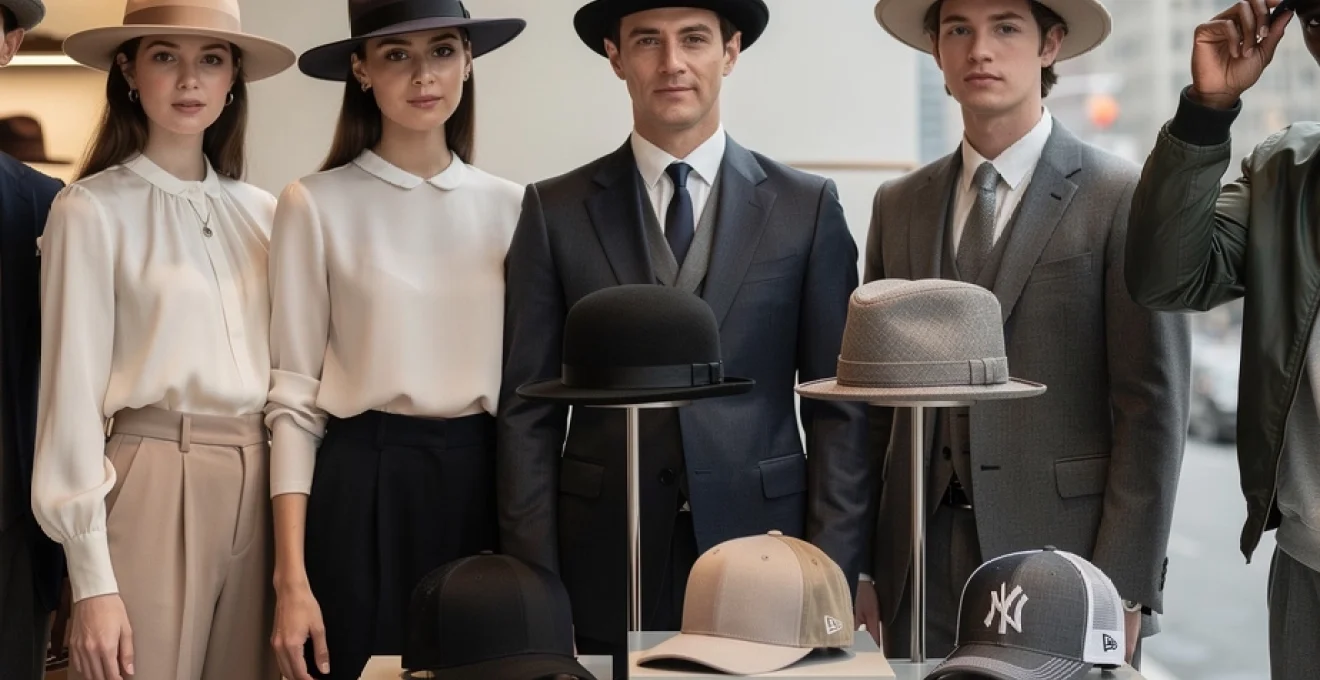
The transformative power of headwear extends far beyond mere protection from the elements. A carefully selected hat or cap functions as the ultimate sartorial punctuation mark, capable of elevating even the most basic ensemble into a statement of personal style. Whether you’re channeling the sophisticated elegance of a classic fedora or embracing the contemporary edge of a structured baseball cap, these accessories possess an unmatched ability to define your aesthetic identity whilst demonstrating your understanding of refined fashion principles.
Modern style enthusiasts increasingly recognise headwear as an essential component of their wardrobe architecture. The strategic deployment of hats and caps allows you to experiment with proportion, texture, and visual weight whilst maintaining the versatility to adapt your look across various social and professional contexts. This approach to accessorising represents a sophisticated understanding of how individual elements contribute to your overall presentation.
Fedora crown heights and brim width proportions for face shape enhancement
The fedora’s enduring appeal stems from its remarkable adaptability to diverse facial structures through precise dimensional adjustments. Understanding the relationship between crown height, brim width, and individual bone structure enables you to select variations that enhance your natural features rather than competing with them. Professional milliners recognise that crown height directly influences perceived facial length, whilst brim width affects the horizontal visual balance of your features.
The mathematical precision required for optimal fedora selection involves calculating ratios between your facial measurements and hat proportions. A standard fedora crown measures approximately 4.5 inches in height, with brims ranging from 2.25 to 3 inches in width. However, these baseline measurements require adjustment based on your specific facial geometry to achieve harmonious proportions.
The most sophisticated approach to fedora selection involves understanding how different crown creases and brim angles interact with your facial architecture to create visual balance and enhancement.
Classic trilby measurements for oval and Heart-Shaped facial structures
Trilby variations excel at complementing oval and heart-shaped faces through their distinctive proportional relationships. The trilby’s characteristic shorter crown height of 3.5 to 4 inches, combined with a narrower 2-inch brim, creates ideal proportional harmony for these facial structures. The slightly upturned rear brim adds visual interest without overwhelming delicate features commonly associated with heart-shaped faces.
For oval faces, trilbies offer exceptional versatility in both traditional and contemporary styling contexts. The balanced proportions of oval facial structures accommodate various trilby interpretations, from classic wool felt versions to modern panama variations. Heart-shaped faces particularly benefit from trilbies worn with a slight forward tilt, which helps balance the narrower chin line characteristic of this facial geometry.
Wide-brim fedora specifications for round and square face geometries
Round and square facial structures require careful consideration of brim width and crown height to achieve optimal visual elongation. Wide-brim fedoras, featuring brims of 3 to 4 inches, create horizontal lines that can overwhelm rounded features if not properly proportioned. The key lies in selecting fedoras with taller crown heights of 5 to 5.5 inches to counterbalance the brim’s horizontal emphasis.
Square faces benefit from wide-brim fedoras with softer crown creases and gentle brim curves that soften angular jawlines. The crown should maintain sufficient height to add vertical dimension, whilst the brim’s curve should complement rather than echo the face’s angular geometry. Strategic positioning slightly forward on the head creates shadows that further enhance facial contouring.
Pork pie crown dimensions and angular jawline compatibility
The pork pie hat’s distinctive flat crown and narrow upturned brim create unique opportunities for enhancing angular facial features. With crown heights typically measuring 3 to 3.5 inches and brims of 1.5 to 2 inches, pork pie hats offer concentrated visual impact that works exceptionally well with strong jawlines and defined cheekbones.
Angular jawlines benefit from the pork pie’s horizontal crown emphasis, which creates visual balance without competing with existing strong features. The narrow brim prevents overwhelming smaller facial features whilst
Angular jawlines benefit from the pork pie’s horizontal crown emphasis, which creates visual balance without competing with existing strong features. The narrow brim prevents overwhelming smaller facial features whilst maintaining a sharp, contemporary silhouette that feels intentional rather than costume-like. For most wearers, a brim width of around 1.75 inches represents an optimal compromise between visual presence and subtlety. You can further refine the effect by choosing darker, matte finishes, which visually compress the crown and keep attention on your natural bone structure.
When pairing a pork pie hat with tailored outfits, pay close attention to the alignment between the hat’s crown line and the lapel structure of your jacket. A sharply defined jawline combined with a structured blazer and a pork pie’s compact geometry produces a cohesive, architectural look. If your jawline is particularly pronounced, wearing the hat slightly back on the head can soften the overall impression and create a more relaxed, approachable aesthetic. As with all hat and cap styling, minor adjustments in angle and positioning can dramatically influence how the piece interacts with your facial proportions.
Homburg crown crease techniques for elongated facial proportions
The homburg, with its distinguished centre crease and gently rolled brim, offers refined solutions for elongated or rectangular facial shapes. Its typical crown height of 4 to 4.5 inches, combined with a moderately stiff brim of around 2.5 inches, introduces controlled structure that can visually rebalance longer features. The key lies in manipulating the crown crease depth and side pinch to moderate perceived height. A shallower crease and slightly wider pinch broaden the crown profile, subtly shortening the impression of facial length.
For those with elongated faces, positioning the homburg so that it sits slightly lower on the forehead creates a horizontal visual break, similar to how a well-chosen pair of glasses can change facial perception. Experimenting with a gentle side tilt can also introduce asymmetry that distracts from vertical dominance and adds character to your overall look. Choose homburgs with softer, more relaxed brim rolls rather than sharply upturned edges to avoid creating additional vertical lines. This combination results in a sophisticated, heritage-inspired hat choice that still feels modern and considered.
Baseball cap silhouette engineering and structured panel construction
Whilst traditionally associated with sportswear, the modern baseball cap has evolved into an integral component of contemporary style systems. Its silhouette engineering—particularly crown depth, panel construction, and bill curvature—determines how successfully it integrates with both casual and smart-casual outfits. A well-designed cap can frame the face as effectively as a tailored fedora, provided you understand how structure and proportion interact with your features. The key is to view your baseball cap not as an afterthought, but as a deliberate architectural element within your outfit.
From a technical perspective, the difference between a refined cap and a disposable promotional accessory often lies in millimetre-level adjustments. Crown height influences how your head shape appears in profile, while panel seams guide the eye vertically or horizontally. Premium caps employ reinforced front panels, precision stitching, and high-density interlinings to maintain a clean silhouette over time. When you choose a hat or cap with thoughtful construction, you signal an appreciation for detail that subtly elevates even the most relaxed look.
Six-panel crown architecture vs five-panel minimalist design systems
The two most common baseball cap architectures—six-panel and five-panel—create distinct visual narratives and styling opportunities. A traditional six-panel cap uses triangular segments converging at the crown, often with a top button, producing a rounded, symmetrical dome. This configuration suits most head shapes and integrates seamlessly with athleisure, streetwear, and weekend outfits. For those seeking a classic, universally flattering cap to elevate jeans-and-T-shirt combinations, a structured six-panel design remains the most versatile option.
By contrast, five-panel caps feature a larger, often seamless front panel that creates a flatter, more vertical facade—ideal for minimalist branding or graphic details. This architecture skews slightly more fashion-forward, aligning well with contemporary urban and skate-influenced aesthetics. If you have a more prominent forehead or a long face, the five-panel’s flatter front can visually shorten and widen the upper face, balancing proportions. We can think of the difference much like suit lapels: six-panel is the timeless notch lapel, while five-panel is the bolder peak lapel, making a subtle yet distinct style statement.
Snapback closure mechanisms and adjustable sizing technologies
The rear closure of a baseball cap is more than a functional afterthought; it significantly impacts comfort, fit, and overall silhouette. Snapback systems, with their interlocking plastic tabs, offer robust adjustability and a crisp, structured back profile that complements streetwear-led outfits. They allow for micro-adjustments in 0.5-centimetre increments, making it easier to achieve a secure fit that won’t shift during the day. This is particularly useful if you frequently alternate between wearing your cap forward and backward, as the consistent grip maintains shape and comfort.
Modern adjustable sizing technologies go beyond traditional snapbacks and Velcro straps. Premium caps increasingly incorporate hidden buckle systems, sliding fabric adjusters, or elasticized bands that provide a cleaner visual line at the rear. These designs are ideal if you’re integrating a cap into a smart-casual wardrobe, where a minimal, uninterrupted silhouette matters. When selecting a hat or cap for all-day wear, prioritise closure mechanisms with soft, skin-friendly materials at contact points to reduce pressure hotspots. The right adjustment system can make the difference between a cap you remove after an hour and one that becomes a daily style signature.
Curved bill geometry and UV protection angle optimisation
The bill—or visor—of a baseball cap functions as both a design feature and a technical shield against sunlight. Curved bills are engineered to follow the natural arc of your brow line, creating a cohesive frame around your eyes and upper face. A medium curve, with a radius that mirrors the average human forehead, typically offers the best balance between style and UV protection. When you angle the bill slightly downward, you enhance shade coverage without obscuring your line of sight, much like tilting the blinds in a room to control glare.
From a practical standpoint, optimal UV protection angle optimisation involves aligning the bill to intercept sunlight at peak hours, usually when the sun is positioned between 45 and 60 degrees in the sky. Caps with slightly extended bills—around 7.5 to 8 centimetres—can reduce direct facial UV exposure by up to 30–40% compared to shorter visors, according to recent dermatological studies. If you spend significant time outdoors, choosing a cap with a darker underside on the bill can also minimise reflected glare. In styling terms, a gently curved bill generally feels more refined than an extreme bend, making it easier to integrate with polished, monochrome outfits.
Trucker cap mesh ventilation systems and breathability coefficients
Trucker caps distinguish themselves through their mesh rear panels, originally engineered for ventilation during long, sun-exposed workdays. This mesh significantly increases airflow around the crown, lowering scalp temperature and moisture build-up—an important consideration if you live in a warm climate or have thicker hair. Studies on sports headwear indicate that open-weave mesh can improve evaporative cooling efficiency by up to 20–25% compared to fully closed back panels. In everyday terms, that means you stay more comfortable for longer, even when the rest of your outfit leans towards structured or layered pieces.
Aesthetically, trucker caps deliver a more pronounced front profile due to their foam or reinforced front panel combined with the airy mesh rear. This creates a bold, graphic surface that pairs well with logo-centric or statement designs. If you have a smaller head or more delicate facial features, opting for a low- to mid-profile trucker with finer-gauge mesh will prevent the cap from appearing oversized. Think of the mesh density as you would knit gauge in a sweater: tighter weaves read more polished, while larger openings feel overtly casual and sport-inspired.
Seasonal fabric selection and material performance characteristics
Choosing the right fabric for your hat or cap is as critical as selecting the correct crown height or brim width. Seasonal fabric selection directly influences comfort, durability, and how seamlessly your headwear integrates with the rest of your outfit. Lightweight textiles such as cotton twill, linen, and finely woven straw excel in spring and summer, offering breathability and efficient moisture management. In cooler months, wool felt, cashmere blends, and structured leather or suede introduce warmth and textural depth that can instantly elevate minimalist ensembles.
Each material carries distinct performance characteristics that affect both style and practicality. Wool felt, for example, offers excellent shape retention and natural water resistance, making it ideal for structured fedoras and homburgs in transitional weather. Straw and raffia, by contrast, provide high airflow and a relaxed drape, perfect for beach-ready wide-brim hats or casual trilbies. Technical fabrics—such as moisture-wicking performance polyesters or ripstop nylons—have gained popularity in fashion-forward caps, offering quick-drying properties and enhanced durability without sacrificing aesthetic sophistication. When building a versatile hat wardrobe, aim to curate at least one warm-weather and one cold-weather option in each core silhouette you enjoy.
Brand hierarchy and luxury millinery positioning strategies
In the contemporary fashion landscape, understanding brand hierarchy can help you navigate the crowded hat and cap market with confidence. Luxury milliners and heritage manufacturers differentiate themselves not only through price, but through craftsmanship, material sourcing, and design integrity. Investing in a reputable brand is akin to purchasing a well-made pair of shoes: you gain superior comfort, longevity, and a subtle prestige that enhances your overall presentation. At the same time, mixing high-end hats with more accessible wardrobe pieces allows you to create visually rich, balanced outfits that never feel overly contrived.
Positioning strategies vary across the spectrum, from Italian felt artisans to American Western icons and streetwear-driven cap specialists. Some brands emphasise century-old hand-blocking techniques and limited production runs, while others focus on innovation, collaborations, and cultural relevance. As you refine your personal style, it can be helpful to identify one or two « anchor » brands whose sizing, shapes, and aesthetics consistently complement your features and wardrobe. These trusted labels then become the foundation of your hat and cap collection, around which you can experiment with bolder or more trend-led pieces.
Borsalino heritage craftsmanship and italian felt manufacturing excellence
Borsalino occupies a unique position in the luxury millinery hierarchy, synonymous with Italian felt manufacturing excellence and meticulous attention to detail. Founded in 1857, the brand has refined its processes over generations, often using over 50 individual steps to create a single felt hat. High-grade rabbit and beaver felts are treated, blocked, and finished in ways that achieve remarkable lightness without sacrificing structural integrity. For those seeking a fedora or homburg that will retain its shape and lustre for years, Borsalino represents a benchmark in quality.
From a styling perspective, the brand’s signature soft, flowing brims and elegantly tapered crowns flatter a wide range of face shapes. Subtle design cues—such as proportionally balanced ribbons, discreet logos, and nuanced colour palettes—ensure their hats function as refined finishing touches rather than overpowering centrepieces. Investing in a Borsalino is comparable to acquiring a tailored Italian blazer: it may not be the first piece you purchase, but once you do, it often becomes the standard against which you judge all others. If you prioritise understated luxury and timeless appeal in your hat or cap selection, Borsalino deserves serious consideration.
Stetson western styling integration with contemporary urban aesthetics
Stetson, long associated with Western styling and frontier heritage, has successfully expanded its repertoire to include designs that work as effortlessly in metropolitan environments as on ranches and open plains. The brand’s iconic wide-brim hats, once purely functional for sun protection and durability, now appear in fashion editorials and street style photography worldwide. Their felt and straw models are engineered with robust construction, often featuring reinforced crowns and weather-resistant treatments that withstand daily wear. This makes Stetson particularly appealing if you favour hats that can transition from outdoor excursions to weekend city outfits without missing a beat.
Integrating Western-influenced headwear into an urban wardrobe requires a thoughtful approach to balance. Pairing a Stetson with minimalist tailoring, monochrome denim, or clean sneakers can temper its rugged origins and create a compelling high–low mix. Opt for slightly slimmer crowns and moderately curved brims if you want a subtler nod to Western style rather than a fully cinematic cowboy statement. In many ways, a well-chosen Stetson functions like a pair of quality leather boots: inherently practical, distinctly characterful, and surprisingly versatile when styled with restraint.
Lock & co hatters traditional british millinery and modern adaptation
Lock & Co Hatters, often cited as the world’s oldest hat shop, embodies traditional British millinery fused with contemporary refinement. Known for outfitting historical figures and modern style leaders alike, the brand has honed a precise understanding of proportion and fit across both formal and casual silhouettes. Their bespoke and ready-to-wear offerings span everything from classic bowlers and trilbies to streamlined caps and winter-ready beanies. Each piece reflects an emphasis on clean lines, high-quality materials, and subtle design flourishes that reward close inspection.
For the style-conscious professional, Lock & Co excels in crafting hats that comply with formal dress codes while still conveying individuality. A structured fedora or homburg from the brand pairs seamlessly with business suiting, overcoats, and tailored separates, lending an air of quiet authority. At the same time, their more relaxed pieces—like lightweight summer Panamas or understated flat caps—integrate easily into weekend ensembles. If you value longevity and discretion in your accessories, Lock & Co Hatters offers a masterclass in how traditional millinery can adapt to modern wardrobes without losing its heritage character.
New era collaboration models and streetwear culture integration
New Era has become virtually synonymous with premium baseball caps, particularly through its longstanding partnerships with major sports leagues and streetwear labels. The brand’s 59FIFTY fitted cap, with its structured six-panel crown and flat bill, is a cornerstone of contemporary urban style. Collaboration models—ranging from designer tie-ins to artist-led limited editions—transform the humble cap into a collectible canvas for self-expression. If your wardrobe leans towards sneakers, graphic tees, and layered outerwear, a curated selection of New Era caps can serve as both functional accessories and identity markers.
From an engineering standpoint, New Era’s focus on consistent sizing, reinforced panels, and precise embroidery ensures that their caps maintain shape and colour saturation over extended wear. This reliability makes them ideal for those who view caps as daily essentials rather than occasional accents. To integrate New Era pieces into more elevated outfits, consider choosing tonal or monochrome designs with minimal branding, which read as sleek rather than overtly sporty. In this way, a structured cap can play a similar role to a luxury sneaker: casual in origin, but carefully selected and styled to harmonise with refined clothing.
Colour theory applications and seasonal palette coordination systems
Colour selection in hats and caps operates much like colour theory in interior design: the right hue can either harmonise with your overall look or jarringly disrupt it. Neutrals—black, navy, charcoal, camel, and soft beige—offer the greatest flexibility, acting as visual anchors that complement most outfits and skin tones. A black or dark navy fedora, for example, can serve as a reliable finishing touch for autumn and winter ensembles dominated by coats and knitwear. In contrast, lighter neutrals such as sand, stone, and off-white are excellent for summer hats, evoking ease and airiness while reflecting heat.
Seasonal palette coordination systems, like those used in personal colour analysis, can also guide your hat selection. If you gravitate towards cooler tones in your clothing—blues, greys, jewel tones—choosing hats in corresponding cool neutrals will create a cohesive, polished impression. Warmer wardrobes built around browns, olives, rusts, and creams benefit from hats in camel, chocolate, or warm taupe. For those interested in using headwear as a statement, consider limiting bold colours or patterns to one hat or cap per outfit. A rich burgundy trilby, forest-green baseball cap, or deep teal beret can inject personality, but should ideally be echoed subtly elsewhere in your look, perhaps in a scarf, belt, or footwear.
Professional styling integration and formal dress code compliance protocols
Navigating formal dress codes with hats and caps requires a nuanced understanding of both etiquette and contemporary expectations. In strictly corporate or traditional environments, structured felt hats—such as fedoras, homburgs, or classic bowlers—align more naturally with tailored suits and overcoats than casual caps. The general protocol is to remove your hat indoors in professional settings unless it forms part of a cultural, religious, or medical requirement. However, your choice of outdoor headwear still contributes significantly to first impressions during commutes, client meetings, and events.
For business-casual workplaces and creative industries, the boundaries are more flexible. Here, minimalist baseball caps in premium fabrics, flat caps, or understated trilbies can be integrated without undermining professionalism, provided the rest of your outfit remains polished. Consider hats and caps in muted, solid colours with minimal branding to avoid visual clutter. When attending formal occasions—weddings, races, or black-tie events—consult any stated dress codes and, if in doubt, err on the side of classic silhouettes and refined materials. Ultimately, the most successful professional styling strategies treat headwear as part of a cohesive visual system, ensuring your hat or cap supports rather than distracts from your overall message and presence.