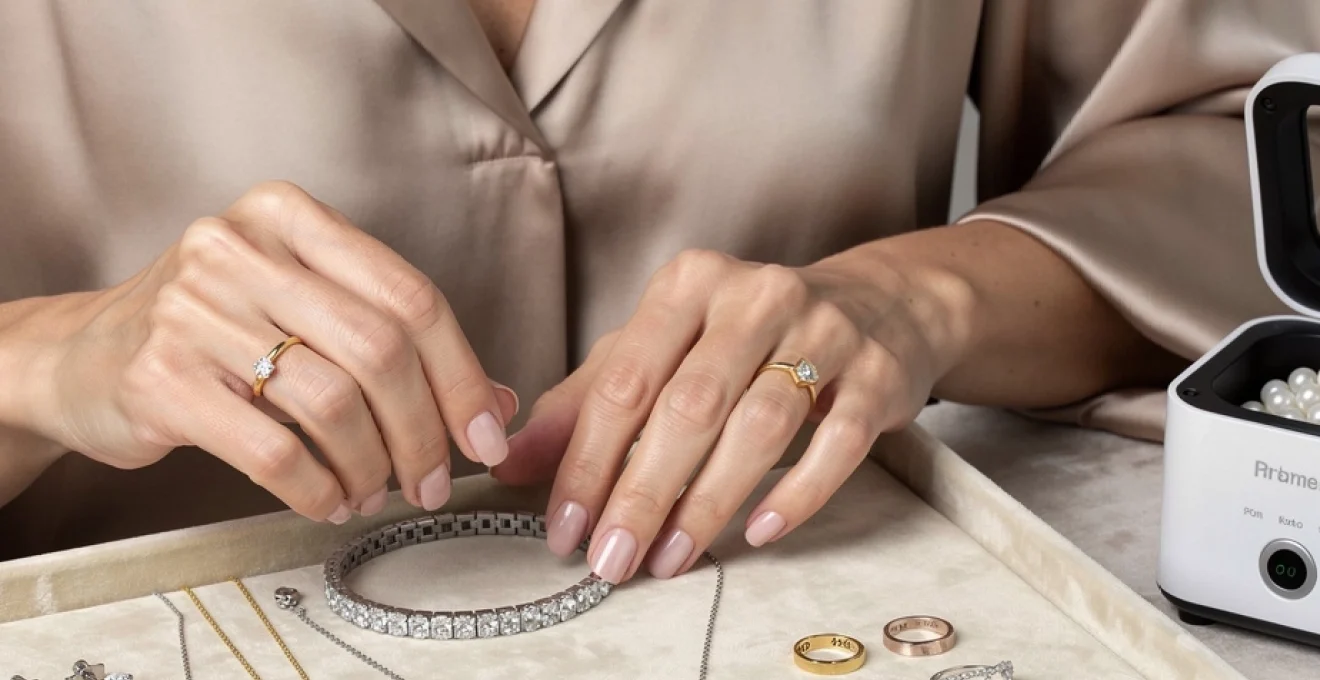
The concept of a timeless jewellery collection has transcended from aspirational luxury to practical necessity for those seeking to invest wisely in pieces that endure beyond fleeting trends. In an era where fast fashion extends even to accessories, the idea of curating a carefully considered capsule of fine jewellery represents both a sustainable approach and a strategic financial investment. Unlike garments that lose relevance with shifting hemlines and silhouettes, well-chosen jewellery pieces maintain their aesthetic and monetary value across generations, serving as both daily adornments and future heirlooms. The key lies not in accumulating vast quantities, but in selecting exceptional quality pieces that work harmoniously together, complement your personal style, and withstand the test of time through superior craftsmanship and enduring design principles.
Understanding the capsule jewellery wardrobe philosophy
The capsule jewellery wardrobe philosophy borrows from the minimalist fashion movement, applying its core principles to personal adornment. Rather than acquiring numerous trendy pieces that quickly lose appeal, this approach emphasises building a cohesive collection of versatile, high-quality items that transition seamlessly from casual daywear to formal evening occasions. The philosophy recognises that true luxury resides not in quantity but in the thoughtful curation of pieces that reflect your authentic style whilst offering maximum wearability across diverse contexts.
At its foundation, a capsule jewellery collection typically comprises between eight and fifteen carefully selected pieces. This deliberately limited number forces intentional decision-making, encouraging you to invest in superior materials and craftsmanship rather than disposable costume jewellery. Each piece should serve multiple purposes: a simple gold chain can be worn alone for understated elegance or layered with pendants for added visual interest, whilst diamond studs provide appropriate sparkle for both boardroom presentations and celebratory dinners.
The economic logic behind this approach proves compelling when examined over extended timeframes. Purchasing a single pair of 18ct gold hoop earrings at £800 may initially seem extravagant compared to five pairs of fashion jewellery at £160 each. However, the gold hoops retain their value, require minimal maintenance, and remain stylistically relevant for decades, whilst the cheaper alternatives typically tarnish, break, or fall out of favour within seasons. This investment mentality transforms jewellery acquisition from impulse purchasing into strategic collection-building, where each addition undergoes rigorous consideration before earning its place in your personal treasury.
The capsule philosophy also addresses the common frustration of owning numerous pieces yet feeling you have « nothing to wear. » By establishing a coherent aesthetic framework—whether that’s warm yellow gold with organic forms, or cool white metals with geometric precision—you create a collection where every piece complements the others. This interoperability means you can confidently combine items without clashing styles, enabling effortless daily styling and maximising the versatility of your investment.
Investment-grade materials: precious metals and their hallmarks
Understanding precious metal composition forms the cornerstone of building a collection that endures both physically and aesthetically. The hallmarking system, mandatory in the UK for most precious metal items weighing above specified thresholds, provides transparency regarding metal purity and serves as your assurance of quality. When selecting pieces for your timeless collection, prioritising metals with appropriate hallmarks ensures you’re investing in genuine materials that justify their price points and maintain long-term value.
18ct gold versus 14ct gold in Long-Term wearability
The decision between 18ct and 14ct gold significantly impacts both the aesthetic qualities and durability of your jewellery. Eighteen-carat gold contains 75% pure gold alloyed with 25% other metals (typically copper, silver, or palladium), whilst 14ct gold comprises 58.3% pure gold with 41.7% alloy content. This composition difference manifests in several practical ways that affect your wearing experience and maintenance requirements.
The higher gold content in 18ct pieces produces a richer, warmer colour that more closely resembles the lustrous yellow associated with traditional gold jewellery. This enhanced colour saturation remains particularly noticeable in yellow gold pieces, where the deeper hue conveys unmistakable luxury. For those building a timeless collection,
it is often the metal of choice for engagement rings, wedding bands and heirloom pieces. However, that softness also makes 18ct gold slightly more prone to scratching than 14ct alternatives, particularly on high-contact items like stacking rings or bangles. If you lead a very hands-on lifestyle or work frequently with your hands, 14ct gold can offer a pragmatic balance between luxury and resilience, especially for everyday jewellery essentials that see constant wear.
By contrast, 14ct gold’s higher alloy content results in a paler yellow tone in comparison to 18ct, alongside slightly cooler shades in rose and white gold. Some clients actually prefer this subtler colour, especially when building a capsule jewellery wardrobe designed to pair effortlessly with both casual and tailored clothing. The added alloy content also increases hardness, so 14ct gold is generally more resistant to knocks and deformation over the long term. When deciding which carat to invest in, many collectors opt for 18ct gold for “forever” pieces such as solitaire diamond studs or a classic signet ring, and 14ct for more robust, stackable or trend-led designs.
From a long-term value perspective, 18ct gold typically commands higher resale prices due to its greater fine gold content, making it a strong candidate for anchor pieces in your timeless jewellery collection. That said, both 18ct and 14ct gold are recognised as fine jewellery standards and will far outperform gold-plated or “vermeil” finishes in terms of lifespan and appearance. Whichever you choose, ensure the piece is properly hallmarked – for UK buyers, you will usually find a stamp such as 750 for 18ct or 585 for 14ct, accompanied by an assay office mark confirming its authenticity.
Sterling silver 925 standard and tarnish prevention
Sterling silver remains a cornerstone material for anyone building an accessible yet enduring jewellery capsule. The internationally recognised 925 standard indicates that the alloy contains 92.5% pure silver and 7.5% other metals, usually copper, which enhances hardness and wearability. When you see a 925 hallmark, you can be confident that you are investing in a precious metal rather than silver-coloured base metals that may quickly discolour or irritate the skin. For understated pieces such as minimalist bangles, stud earrings or fine chain necklaces, sterling silver offers an elegant, cool-toned alternative to white gold or platinum at a more approachable price point.
One of silver’s drawbacks is its tendency to tarnish, caused by a chemical reaction between the metal and sulphur compounds in the air. This darkening does not indicate damage, but it can dull the refined look of your jewellery collection. To minimise tarnish, store silver in airtight or anti-tarnish pouches and avoid prolonged exposure to humidity, perfumes and household chemicals. Regular light cleaning with a soft polishing cloth usually restores the original lustre quickly; more stubborn tarnish can be removed with specialist silver cleaning solutions, provided gemstones and delicate finishes are protected.
If you prefer an ultra-low-maintenance capsule collection, consider sterling silver pieces with protective finishes. Many contemporary ateliers apply a fine layer of rhodium or anti-tarnish lacquer to slow oxidation and keep silver looking bright for longer. However, these coatings will gradually wear with time, especially on rings and bracelets that experience friction. Planning an annual or biannual professional clean and re-finish for your most-worn silver favourites is a sensible way to preserve their appearance for the long term.
Platinum 950 durability for Heirloom-Quality pieces
For collectors seeking the pinnacle of durability and understated luxury, platinum is an exceptional choice for a timeless jewellery collection. The typical 950 hallmark denotes that a piece comprises 95% pure platinum alloyed with 5% other metals, usually ruthenium or iridium, to fine-tune hardness. This high purity level, combined with platinum’s natural density, gives the metal a reassuring weight and an inherently premium feel on the skin. Unlike white gold, which relies on rhodium plating to achieve its bright white appearance, platinum’s naturally silvery-white tone does not require frequent replating.
From a practical standpoint, one of platinum’s most compelling attributes is the way it wears over time. Rather than losing metal through abrasion, platinum tends to displace it, developing a soft, satiny patina that many connoisseurs prize as a hallmark of age and character. This makes platinum particularly suitable for settings that must protect valuable stones, such as solitaire diamond studs, eternity bands and engagement rings. When you are curating a jewellery capsule designed to be worn daily for decades, platinum’s innate strength provides considerable peace of mind.
The primary trade-off with platinum is cost; it is rarer and denser than gold, so pieces will usually command a higher initial investment. However, when you amortise that cost across years or even generations of wear, platinum can prove highly cost-effective. If your budget allows, allocating platinum to your highest-value, most symbolically important items—such as a tennis bracelet or a classic signet ring destined to become an heirloom—can be a very sound strategy.
Rhodium plating techniques for enhanced longevity
Rhodium plating has become almost synonymous with high-shine white metals in modern jewellery, yet its role is often misunderstood. Rhodium itself is a rare, highly reflective member of the platinum group of metals, prized for its luminous, mirror-like finish and excellent resistance to corrosion. When applied as a thin plating over white gold or sterling silver, it creates a crisp, cool-toned surface that enhances both colour and brilliance. For clients who favour a sleek, contemporary aesthetic in their capsule jewellery wardrobe, rhodium-plated pieces can deliver that “fresh from the boutique” look.
However, rhodium layers are inherently thin—typically between 0.1 and 0.3 microns—and will gradually wear away in areas of high contact. Rings and bracelets, which are exposed to constant friction, may require replating every 12 to 24 months if you wish to maintain a uniform, bright white finish. By contrast, earrings and pendants experience less wear and may retain their plating for several years. When planning a timeless collection, it is helpful to view rhodium plating as part of routine maintenance rather than a permanent feature, much like polishing a favourite pair of leather shoes.
Quality of application also matters. High-end jewellers will carefully prepare the underlying surface—removing scratches and ensuring impeccable cleanliness—before plating, which results in better adhesion and a more even, longer-lasting finish. If you prefer a lower-maintenance approach, you might choose unplated platinum for key white-metal pieces and reserve rhodium-plated white gold for designs where budget or design flexibility is a priority. In either case, building a relationship with a trusted jeweller for periodic replating and checks will help your pieces look pristine throughout their lifetime.
Core jewellery archetypes for foundational collections
Once you have a clear understanding of precious metals, the next step in building a timeless jewellery collection is to identify the archetypal pieces that form its backbone. These are the designs that transcend trends and provide a reliable base for everything else in your jewellery wardrobe. Think of them as the tailored blazer, crisp white shirt and perfect pair of jeans of the jewellery world—styles you can reach for instinctively, knowing they will work with almost anything you own.
A well-rounded capsule typically includes classic earrings, an elegant bracelet, a signature ring and at least one versatile pendant necklace. The precise mix will vary according to your lifestyle; someone who rarely wears bracelets might invest more heavily in earrings and rings, for instance. The aim is not to tick boxes mechanically, but to select versions of these archetypes that reflect your personal aesthetic and feel comfortable in daily wear. When you make these decisions with intention, you dramatically reduce the “nothing to wear” feeling that so often arises from a cluttered but incoherent jewellery box.
Solitaire diamond studs: carat weight and cut specifications
Solitaire diamond studs are widely considered a non-negotiable element of a timeless jewellery collection. Discreet yet impactful, they frame the face with light and are appropriate for virtually every setting, from boardroom to black-tie. When selecting diamond studs, carat weight and cut quality are the most critical factors to evaluate. Whilst it can be tempting to prioritise size, a smaller diamond with an excellent cut will often appear more brilliant than a larger stone with mediocre proportions.
For many clients, a total carat weight (TCW) between 0.50ct and 1.00ct (0.25ct–0.50ct per ear) provides a sweet spot of visibility, comfort and cost. At this scale, diamond studs are large enough to register from a distance yet remain tasteful for daily wear. In terms of cut, look for stones graded Excellent or Very Good by reputable laboratories such as GIA or IGI; this ensures optimal light performance and sparkle. A well-cut round brilliant is the classic choice, but oval and princess cuts can offer a contemporary twist while still retaining strong versatility in a capsule jewellery wardrobe.
Colour and clarity should be selected with realism about your lifestyle and budget. For white-metal settings (platinum or white gold), diamonds in the G–I colour range generally appear bright and white to the naked eye, while H–J can be very pleasing in yellow or rose gold settings, where warm tones are more forgiving. Clarity grades of VS2 to SI1 often represent excellent value; inclusions are usually not visible without magnification, yet prices are more accessible than higher grades. Secure settings—typically four- or six-prong baskets with robust screw or friction backs—are essential to protect your investment and prevent loss.
Tennis bracelets with pavé or prong settings
The tennis bracelet is another foundational piece that earns its place in almost every timeless jewellery collection. Characterised by a continuous line of uniform gemstones, usually diamonds, it offers a refined shimmer that pairs as well with a cashmere jumper as with an evening gown. When choosing a tennis bracelet, the setting style—often pavé or individual prong—plays a key role in both aesthetics and practicality.
Prong-set tennis bracelets feature diamonds held in place by small claws, allowing maximum light to enter each stone. This creates a brighter, more scintillating appearance, making prong styles ideal if you want your bracelet to be a focal point. Pavé settings, by contrast, see smaller stones set closely together in a shared metal bed, producing a more subtle “ribbon of light” effect. Pavé bracelets can feel smoother against the skin and may be slightly less prone to snagging on clothing, a consideration if you plan to wear your bracelet daily.
Whichever setting you choose, pay close attention to flexibility and clasp design. A well-crafted tennis bracelet should drape fluidly around the wrist without kinking, with each link articulated enough to move comfortably. Integrated safety catches—such as figure-eight clasps or double locking mechanisms—are essential insurance against accidental loss. For a capsule jewellery wardrobe, many collectors opt for a classic white-metal diamond line bracelet with modestly sized stones (for example, 1.50ct–3.00ct total weight), which delivers understated glamour without feeling ostentatious.
Signet rings in geometric and personalised engravings
Signet rings have transitioned from purely heraldic emblems to modern style staples, blending history with personal expression. In a timeless jewellery collection, a signet ring often becomes the piece that feels most “you,” worn daily and evolving a gentle patina over time. Traditional signets feature oval, cushion or shield-shaped faces, but contemporary ateliers also explore sleek rectangles and softened hexagons, offering geometric silhouettes that complement minimalist wardrobes.
Personalisation is where signet rings truly shine. You might opt for a classic monogram, a family crest, or a subtle symbol that holds private meaning—anything from a star sign to a motif drawn from nature. Deep intaglio engravings, once used to create wax seals, remain prized for their craftsmanship and can be commissioned from specialist engravers for a bespoke touch. For those preferring a more understated approach, brushed finishes, fine millgrain edges or flush-set gemstones can add interest without overt decoration.
From a materials standpoint, 18ct yellow or rose gold are popular for their warmth and longevity, although platinum signets have a quiet gravitas that suits pared-back wardrobes. Because signet rings see frequent contact with surfaces, consider the hardness of the chosen alloy and the thickness of the ring shank; a well-constructed signet should feel solid on the finger, with enough metal to allow future resizing or refinishing. When thoughtfully chosen, this single piece can anchor your entire capsule jewellery wardrobe and even become a cherished future heirloom.
Pendant necklaces: chain length and layering dimensions
A pendant necklace is one of the most versatile tools in your jewellery capsule, capable of shifting an outfit’s mood with minimal effort. The key variables to consider are chain length, pendant scale and how the piece will integrate into your wider layering strategy. Standard lengths such as 40cm (16″), 45cm (18″) and 50cm (20″) each serve different purposes: shorter chains sit close to the collarbone and work well with open necklines, while slightly longer lengths slip neatly over knitwear or high-neck tops.
When you are building a capsule jewellery wardrobe, it is useful to think in “layers” of varying lengths and textures. For example, a fine 40cm chain worn with a subtle solitaire pendant can form your base layer, while a slightly heavier 45cm or 50cm chain without a pendant adds structure. A longer station necklace at 60–70cm introduces a third dimension for days when you want more impact. By ensuring that each chain differs by at least 5cm in length, you avoid tangling and create a visually pleasing cascade rather than a cluttered cluster at the collarbone.
Pendant motifs themselves can range from classic solitaires and bar pendants to medallions, lockets and talismans. To maintain timelessness, choose designs with clean lines and enduring symbolism—a simple disc engraved with initials, a bezel-set birthstone, or a petite cross or star. Neutral metals, combined with clear or softly coloured stones, ensure that your pendants remain easy to pair with different outfits and occasions. Over time, you can rotate pendants across your chains, effectively refreshing your look without expanding the number of pieces in your jewellery box.
Gemstone selection criteria for versatile wear
While metal choices shape the framework of your timeless jewellery collection, gemstones provide its colour, character and emotional resonance. However, not all stones are equally suited to everyday wear or to the demands of a capsule jewellery wardrobe. Understanding how factors such as hardness, toughness, authenticity and grading affect performance will help you select gems that look beautiful today and remain resilient over the years. Think of this as choosing fabrics for a tailored wardrobe: silk has its place, but you would not make your only winter coat from it.
In a collection intended for frequent wear, durability is paramount. Diamonds, sapphires and rubies excel in this respect, whilst softer stones such as opals and pearls require more mindful handling. At the same time, you may wish to incorporate birthstones or coloured gems with personal meaning, balancing sentiment with practicality. Evaluating gemstones through the lenses of the Mohs hardness scale, origin and grading systems will allow you to curate a palette that suits both your lifestyle and your aesthetic preferences.
Mohs hardness scale for daily jewellery durability
The Mohs hardness scale is a simple yet powerful tool when assessing whether a gemstone is suitable for everyday jewellery. Ranging from 1 (talc) to 10 (diamond), it measures a mineral’s resistance to scratching. For pieces that will be worn frequently—especially rings and bracelets that are more exposed to knocks—stones scoring 7 or above are generally recommended. Diamonds rank at 10, sapphires and rubies at 9, and many quartz varieties such as amethyst and citrine at 7, making them reliable candidates for a capsule jewellery wardrobe.
It is important to remember that hardness is only one aspect of durability; toughness (resistance to breaking or chipping) and stability (resistance to heat and chemicals) also matter. For instance, emeralds register 7.5–8 on the Mohs scale but often contain internal fractures, making them more vulnerable to impact. Opals and turquoise, typically between 5 and 6.5, can be prone to scratching and require extra care. Does this mean you must exclude these stones from a timeless jewellery collection? Not necessarily, but you might reserve them for earrings and pendants, which experience less wear, rather than everyday rings.
When planning your gemstone mix, think about how each piece will be worn. A diamond or sapphire makes excellent sense for a daily signet ring, whilst a more delicate stone might be perfect in a pendant you only bring out for special occasions. By aligning gem hardness with function, you maintain both the beauty and integrity of your collection over time.
Birthstone authenticity: natural versus synthetic alternatives
Birthstone jewellery is an attractive way to add personal meaning to a capsule collection, but questions often arise around natural versus synthetic gemstones. Natural stones are formed over millions of years within the earth and each carries a unique pattern of inclusions, growth lines and subtle colour variations. Synthetic stones, by contrast, are laboratory-grown materials with the same chemical composition as their natural counterparts, but produced in controlled conditions. Both can be used to create beautiful, long-lasting jewellery; the right choice depends on your priorities.
From a visual standpoint, high-quality synthetic stones can be almost indistinguishable from natural gems to the naked eye, often offering vivid colour and excellent clarity at a lower price point. This makes them an appealing option if you want to incorporate a suite of birthstones into your jewellery wardrobe without significantly stretching your budget. Additionally, laboratory production can provide greater traceability and may appeal if ethical sourcing is a key concern for you. For pieces you wear every day, a well-cut synthetic ruby or sapphire set in solid gold can be both durable and aesthetically refined.
Natural birthstones, however, carry a romance and rarity that many collectors find compelling, particularly when building a timeless jewellery collection intended to become an heirloom. Each stone’s subtle imperfections and variations tell part of its geological story, and high-quality examples often retain strong resale value. If you opt for natural gems, ensure they are accompanied by credible certification, especially for higher-value stones. Ultimately, there is no “right” answer; you might choose natural stones for milestone pieces and synthetic options for playful, colour-rich designs you wear more casually.
Colourless diamonds and the four cs grading system
Diamonds hold a central position in most fine jewellery collections, and understanding the Four Cs—cut, colour, clarity and carat weight—is essential when you are investing in pieces designed to last. As discussed earlier with solitaire studs, cut quality has the greatest influence on a diamond’s brilliance. A meticulously cut stone will return light more efficiently, appearing livelier and more generous in size than a poorly cut diamond of the same carat weight. When building a timeless jewellery collection, it is usually advisable to prioritise cut over incremental improvements in clarity or colour.
Colour grading for colourless diamonds ranges from D (completely colourless) through Z (noticeable yellow or brown tint). For jewellery worn against the skin, stones in the G–I range often offer an excellent balance of whiteness and value; they appear bright in most lighting conditions yet are more accessible than the rare D–F grades. Clarity describes internal inclusions and external blemishes, graded from Flawless (no visible features under 10x magnification) through to Included. For everyday jewellery, VS2 to SI1 clarity can be ideal: imperfections are typically invisible to the naked eye, but prices are more attainable.
Carat weight, often the most visible metric, should be considered in context. A 0.70ct diamond of excellent cut, G colour and VS2 clarity may cost less than a heavier but poorly cut stone, while delivering superior beauty and light performance. When you apply the Four Cs strategically—focusing on cut first, then balancing colour and clarity according to your budget—you create a diamond capsule that feels cohesive, luminous and genuinely timeless.
Sapphire and ruby inclusions as authenticity markers
Sapphires and rubies, both varieties of the mineral corundum, are highly prized in capsule jewellery collections for their saturated colours and robust durability. Interestingly, the very inclusions that might be viewed negatively in diamonds can serve as important authenticity markers in these stones. Natural sapphires and rubies often display features such as rutile “silk” (fine, thread-like inclusions), colour zoning or tiny mineral crystals, visible under magnification. Far from being flaws, these characteristics frequently confirm that a gemstone is natural rather than synthetic.
In high-quality stones, inclusions should not significantly disrupt transparency or compromise structural integrity. Instead, they may lend a subtle softness or velvety texture to the colour, which many collectors value. For example, the famed “Kashmir” sapphires are renowned for their cornflower blue hue with a slightly hazy, velvety appearance caused by fine rutile silk. In rubies, internal features can even produce optical phenomena such as asterism (star effects) when cut en cabochon. When you are considering sapphires or rubies for your timeless jewellery collection, a gemmological report from a respected laboratory will usually describe these internal fingerprints, offering reassurance about authenticity and treatment history.
Synthetic or heavily treated stones often exhibit different inclusion patterns—or an absence of inclusions altogether—that trained gemmologists can identify. While such stones can still be attractive and affordable, transparency from the seller is essential so you can make an informed decision. In a capsule jewellery wardrobe geared towards longevity and potential heirloom status, many collectors gravitate towards well-documented, minimally treated natural sapphires and rubies in classic cuts and colours. These combine practicality with enduring beauty and a strong narrative of origin.
Heritage jewellery houses and contemporary ateliers
Beyond materials and archetypes, the makers you choose play a defining role in the character and longevity of your jewellery capsule. Heritage houses bring with them decades—sometimes centuries—of design evolution, craftsmanship and brand recognition. Contemporary ateliers, meanwhile, offer fresh perspectives, innovative technologies and often a more intimate, bespoke experience. Balancing both in your collection can be compared to mixing vintage tailoring with modern ready-to-wear: the result is layered, personal and quietly sophisticated.
Established maisons such as Cartier and Tiffany & Co. have created designs so iconic that they now function as visual shorthand for refined taste. Investing in one or two of these signatures can instantly anchor a timeless jewellery collection, offering pieces that are recognisable yet still versatile enough for everyday wear. Alongside them, independent designers like Monica Vinader and Annoushka explore new silhouettes, materials and mechanisms, making them ideal for those “not-so-basic basics” that give your capsule personality without sacrificing longevity.
Cartier love bracelet as a modern classic
The Cartier Love bracelet has achieved near-mythical status since its introduction in the 1970s, becoming one of the most recognisable symbols of modern fine jewellery. Designed as a sleek oval bangle secured with tiny screws, it was conceived as a “permanent” expression of commitment, often worn continuously rather than taken on and off. From a capsule jewellery perspective, the Love bracelet exemplifies how a single, well-chosen design can carry you from morning meetings to evening events without ever feeling out of place.
Available in yellow, white and rose gold, and in versions with or without diamonds, the Love bracelet offers a range of options for different budgets and aesthetics. Its clean, architectural lines sit comfortably alongside both minimalist pieces and more ornate designs, making it remarkably easy to integrate into an existing collection. Despite its popularity, the bracelet retains a certain quietness; it is more about considered design and symbolism than overt branding, which is precisely what you want from an investment piece intended for long-term, frequent wear.
Practical considerations do matter, however. Because the bracelet is designed to be semi-permanent, you should think carefully about sizing and lifestyle before purchase. It must be fitted and removed with a special screwdriver, which adds ritual but can be less convenient if you regularly need to remove jewellery for work or sport. That said, for many collectors, this enduring, almost “locked-in” design is part of the bracelet’s appeal and why it often becomes the cornerstone of a timeless jewellery collection.
Tiffany & co. return to tiffany collection iconography
Tiffany & Co.’s Return to Tiffany collection is another example of heritage design evolving into a modern classic. Inspired by a keyring first introduced in 1969, the range features heart-shaped tags, key motifs and signature engravings that have become instantly recognisable. In the context of a capsule jewellery wardrobe, these pieces function as approachable entry points into the world of fine jewellery whilst still offering that unmistakable Tiffany identity.
Available in sterling silver, gold and sometimes accented with enamel or diamonds, Return to Tiffany designs span everything from delicate pendant necklaces to chunky link bracelets. This breadth allows you to select a version that aligns with your preferred scale and metal tone, whether you favour a subtle charm at the collarbone or a bolder statement at the wrist. The collection’s iconography—particularly the “Please return to Tiffany & Co.” engraving—adds a nostalgic, almost archival quality that resonates with collectors who appreciate narrative in their jewellery.
The enduring popularity of these pieces also supports their long-term value. Pre-owned markets demonstrate consistent demand, and many designs have remained in production for decades with only minor evolutions. If you are curating a timeless jewellery collection that blends sentiment, recognisability and daily wearability, a Return to Tiffany pendant or bracelet can be a smart addition.
Monica vinader adjustable chain technology
Among contemporary ateliers, Monica Vinader has distinguished itself through both aesthetic clarity and practical innovation, particularly in the realm of adjustable chain technology. Many of the brand’s bracelets and necklaces feature sliding mechanisms that allow you to customise length easily, achieving the perfect fit whether you are layering over knitwear or wearing directly on the skin. For a capsule jewellery wardrobe, this adaptability is invaluable: a single piece can serve multiple styling roles instead of requiring separate versions for different necklines or wrist sizes.
The adjustable elements are typically engineered with discreet silicone-lined beads or integrated sliders that grip the chain without causing damage. This ensures that the jewellery remains secure once positioned, while still being simple to adjust with one hand. From a durability standpoint, these mechanisms have improved significantly over the past decade, and high-quality designs can withstand daily use without slippage. As with any moving part, occasional checks and gentle handling will help maintain function over time.
Stylistically, Monica Vinader pieces occupy that sweet spot between minimalism and modern femininity, making them especially suited to a timeless jewellery collection with a contemporary edge. Clean lines, softly geometric shapes and ethically sourced materials appeal to clients who want everyday jewellery essentials that feel both current and future-proof. Incorporating one or two adjustable chains into your capsule can also make travelling lighter, as a single necklace or bracelet can adapt to multiple outfits and occasions.
Annoushka pearls and the akoya versus freshwater debate
Pearls play a unique role in a timeless jewellery collection, offering softness, luminosity and an association with classic elegance that few other materials can match. Annoushka has become well-regarded for its contemporary pearl designs, often reimagining traditional strands and studs with unexpected settings and combinations. When considering pearls for your capsule jewellery wardrobe, understanding the differences between Akoya and freshwater varieties helps ensure you choose pieces that align with your expectations and lifestyle.
Akoya pearls, primarily cultured in Japan and China, are renowned for their high lustre, near-perfect roundness and typically smaller sizes (often 5–9mm). Their reflective, mirror-like surfaces make them ideal for refined necklaces and stud earrings that need to read as “classic” at a glance. Freshwater pearls, grown in mussels rather than oysters, tend to be more varied in shape and can be produced in larger numbers, making them generally more affordable. Modern freshwater cultivation techniques have improved dramatically, producing pearls with impressive lustre and a range of shapes from near-round to baroque.
In practical terms, both Akoya and freshwater pearls are suitable for a timeless jewellery collection if you respect their relative delicacy. With a Mohs hardness of around 2.5–4.5, pearls should be treated as the final touch when dressing and stored separately from harder gemstones that might scratch them. For a capsule approach, you might invest in a pair of classic Akoya stud earrings for formal versatility, then complement them with a more relaxed freshwater pendant or strand that feels at home with everyday outfits. This combination gives you the best of both worlds: traditional polish and modern ease.
Maintenance protocols for preserving jewellery integrity
Even the most carefully curated jewellery capsule will only remain timeless if you invest in its care. Just as quality tailoring benefits from proper cleaning and storage, fine jewellery requires thoughtful maintenance to preserve its structure, brilliance and comfort on the skin. The good news is that a few simple, consistent habits can significantly extend the lifespan of your pieces, reducing the need for major repairs and keeping your collection looking as refined in ten years as it does today.
Preservation encompasses both at-home routines and periodic professional interventions. While it can be tempting to wear favourite pieces continuously, giving jewellery occasional rest and cleaning helps minimise wear. Understanding which items can safely undergo ultrasonic cleaning, when to schedule professional re-polishing and how to store different metals and gemstones correctly will allow you to protect both the aesthetic and the intrinsic value of your timeless jewellery collection.
Ultrasonic cleaning for Diamond-Set pieces
Ultrasonic cleaning machines, commonly used by jewellers, are highly effective at removing accumulated oils, lotions and microscopic debris from diamond-set pieces. They work by generating high-frequency sound waves in a cleaning solution, creating tiny bubbles that dislodge dirt from hard-to-reach crevices. For robust gems like diamonds set in platinum or gold, this process can restore impressive brilliance in a matter of minutes, making it a valuable tool for maintaining the sparkle of engagement rings, tennis bracelets and solitaire studs in your capsule jewellery wardrobe.
However, ultrasonic cleaning is not suitable for all jewellery. Porous or brittle gems—such as emeralds, opals, pearls and some treated stones—can be damaged by the vibrations or by the cleaning solution itself. Likewise, pieces with loose stones, fragile pavé settings or extensive micro-claw work should be assessed by a professional before being exposed to ultrasonic treatment. As a rule of thumb, if you are unsure whether a piece is safe for this method, err on the side of caution and opt for a soft brush, mild soapy water and a gentle rinse instead.
For home maintenance, compact consumer-grade ultrasonic cleaners are widely available, but they should be used with the same discretion. Reserve them for sturdy, diamond-dominant pieces in good repair, and always follow manufacturer guidelines. Periodically, scheduling a professional clean and check—perhaps annually—for your most worn items allows a jeweller to identify worn claws, thinning bands or hidden damage before it turns into a lost stone or broken setting.
Professional Re-Polishing schedules for precious metals
Over time, even the highest-quality metals will show signs of life: fine scratches, small dings and a gradual softening of high-polish surfaces. Many collectors come to appreciate this gentle patina as part of a piece’s story, but there may be times when you wish to restore the original sheen, especially for signature items like a signet ring or classic bangle. Professional re-polishing removes a minute layer of metal to smooth out surface marks and re-establish a uniform finish.
Because polishing does remove material, it should be done judiciously. For pieces in platinum or 18ct gold, occasional refinishing every few years is typically sufficient if you wear them regularly, less often for jewellery reserved for special occasions. White gold items that are rhodium plated may be polished prior to re-plating to ensure a flawless surface, while brushed or matte finishes require particular skill to recreate their original texture. When you build a long-term relationship with a trusted jeweller, they can advise on an appropriate maintenance schedule for your specific collection.
It can be helpful to think of re-polishing as akin to servicing a fine watch: a periodic investment that preserves both function and appearance. Keeping a simple record—perhaps noting when each major piece was last polished or replated—can guide future decisions and ensure the process remains measured rather than excessive.
Storage solutions: Anti-Tarnish pouches and climate control
How you store your jewellery between wears is just as important as how you clean it. An organised, protective storage system reduces tangling, scratching and tarnish, all of which can prematurely age a collection. Ideally, each piece in your timeless jewellery collection should have its own compartment or pouch, preventing harder gemstones like diamonds from abrading softer materials such as gold or pearls. Anti-tarnish pouches or lined boxes are especially beneficial for sterling silver, slowing the oxidation process and minimising the need for frequent polishing.
Climate control also plays a role. Excessive humidity can accelerate tarnish and may affect organic materials like pearls and opals, while very dry conditions can lead to dehydration and crazing in some stones. Aim to store jewellery in a cool, dry environment away from direct sunlight and extreme temperature fluctuations—bedside drawers or dedicated jewellery cabinets are often preferable to bathroom shelves. For pieces you wear rarely, consider placing silica gel packets nearby to absorb excess moisture.
Finally, treat storage as part of your daily ritual rather than an afterthought. Removing jewellery before intense exercise, swimming or applying lotions, then returning each item to its designated space, becomes second nature over time. This simple act not only preserves the physical integrity of your capsule jewellery wardrobe but also reinforces the sense that each piece is a valued, intentional part of your personal story rather than a disposable accessory.