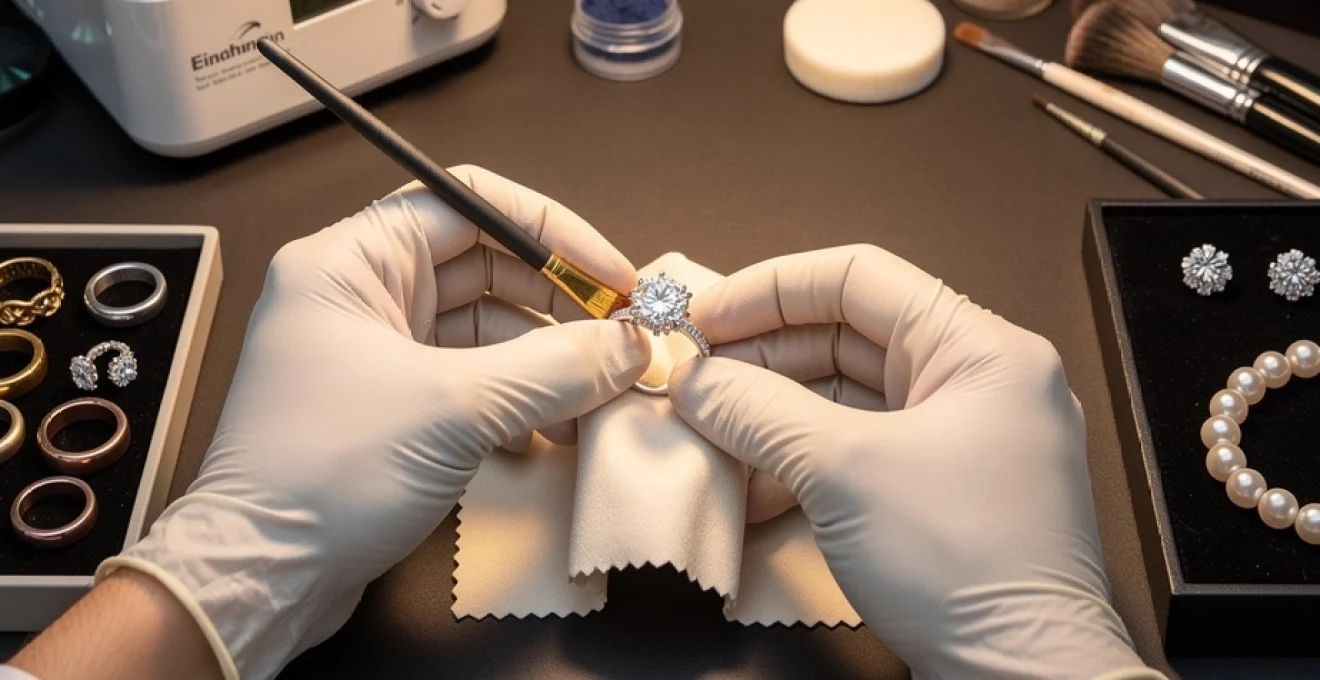
Precious metals and gemstones require meticulous care to preserve their lustrous appearance and structural integrity throughout years of wear. The complexity of modern jewellery designs, combined with diverse material compositions, demands a sophisticated understanding of maintenance protocols that extend far beyond basic cleaning routines. Whether you own vintage family heirlooms or contemporary designer pieces, implementing proper preservation techniques ensures your valuable accessories retain both their aesthetic appeal and monetary worth.
Professional jewellers recognise that each metal and gemstone responds differently to environmental factors, chemical exposure, and mechanical stress. The microscopic surface changes that occur through daily wear can dramatically impact brilliance and clarity if left unaddressed. Understanding these material-specific vulnerabilities allows you to develop targeted maintenance strategies that protect your investment whilst maintaining the original craftsmanship quality.
Understanding metal types and their specific maintenance requirements
The foundation of effective jewellery care lies in recognising the unique characteristics of different metals and their specific vulnerabilities. Each precious metal exhibits distinct properties that influence how you should approach cleaning, storage, and general maintenance. Modern alloy compositions further complicate these considerations, as manufacturers blend metals to achieve desired qualities like enhanced durability or unique coloration.
Sterling silver oxidation prevention and tarnish control methods
Sterling silver contains 92.5% pure silver combined with 7.5% copper or other metals, making it particularly susceptible to oxidation when exposed to sulphur compounds in the atmosphere. This chemical reaction creates the characteristic black tarnish that gradually diminishes the metal’s reflective properties. Professional-grade anti-tarnish storage solutions can significantly slow this oxidation process by creating barrier environments that limit exposure to reactive gases.
Humidity levels above 60% accelerate tarnishing, whilst temperatures fluctuations cause expansion and contraction that can weaken structural joints. Regular polishing with appropriate compounds removes surface oxidation without abrading the underlying metal. Silver cleaning cloths infused with anti-tarnish agents provide convenient maintenance for frequently worn pieces, whilst deeper cleaning requires specialised solutions that dissolve embedded tarnish without damaging delicate surface details.
18K and 24K gold alloy composition impact on durability
Gold purity directly affects both maintenance requirements and durability characteristics. Twenty-four karat gold, being 99.9% pure, remains virtually tarnish-free but exhibits extreme softness that makes it vulnerable to scratching and deformation. Eighteen karat gold, containing 75% pure gold mixed with stronger metals like copper, silver, or palladium, offers enhanced durability whilst maintaining excellent corrosion resistance.
The specific alloy composition determines appropriate cleaning methods and frequency requirements. Rose gold varieties with higher copper content may develop patina over time, which some consider desirable whilst others prefer regular maintenance to preserve original appearance. White gold often receives rhodium plating that requires periodic renewal to maintain its bright finish, typically every 12-18 months depending on wear patterns.
Platinum group metals scratch resistance and polishing techniques
Platinum’s exceptional density and corrosion resistance make it ideal for securing valuable gemstones, yet its relative softness compared to other durable metals means it develops a distinctive patina through normal wear. Unlike gold alloys that lose material through abrasion, platinum scratches tend to displace rather than remove metal, allowing skilled jewellers to restore original surfaces through careful polishing techniques.
Professional restoration of platinum pieces requires specialised equipment and compounds designed specifically for platinum group metals. Diamond polishing compounds applied with felt wheels can restore mirror finishes without compromising structural integrity. The metal’s work-hardening properties actually increase durability through regular wear, though periodic professional maintenance ensures optimal appearance retention.
Rose gold copper content patina management strategies
Rose gold’s distinctive colouration comes from copper alloy additions that can comprise 15-25% of the total composition. This copper content makes rose gold particularly reactive to environmental factors like moisture, skin chemistry variations, and atmospheric pollutants. Over time, copper oxidation creates greenish patination that some collectors appreciate as natural aging whilst others prefer to prevent through proactive care.
Managing copper patination requires balancing preservation of the alloy’s
Managing copper patination requires balancing preservation of the alloy’s warm hue with realistic expectations about long-term surface changes. Regular gentle cleaning with pH-neutral soap and lukewarm water removes perspiration and cosmetic residues that accelerate oxidation. For pieces that you prefer to keep bright, periodic professional polishing followed by application of protective microcrystalline waxes can slow patina development. If you enjoy the soft, vintage appearance that develops over time, limiting abrasive polishing and focusing instead on careful cleaning will preserve that subtle aged character. In either case, avoiding prolonged exposure to chlorinated water, acidic environments, and abrasive contact is essential for long-term rose gold durability.
Gemstone-specific care protocols and preservation techniques
Whilst metal maintenance focuses on surface chemistry and structural resilience, gemstone care prioritises optical performance, internal integrity, and treatment stability. Each gemstone family responds differently to heat, ultrasonic vibration, and chemical exposure, meaning a universal cleaning method is rarely appropriate. As you refine your jewellery care routine, understanding the specific vulnerabilities of your stones will prevent inadvertent damage that may not be immediately visible to the naked eye. Many high-value gemstones also undergo treatments at the cutting or setting stage, and these enhancements can be compromised by aggressive DIY cleaning. A gemstone-specific approach therefore underpins any long-term preservation strategy.
Diamond brilliance restoration through professional ultrasonic cleaning
Diamonds are renowned for their hardness, yet their brilliance depends heavily on clean, unobstructed facets and pavilion surfaces. Everyday residues such as natural skin oils, hand creams, and environmental pollutants form thin films that dramatically reduce light return. Professional ultrasonic cleaning uses high-frequency sound waves, typically in the 35–45 kHz range, to create microscopic bubbles that dislodge this contamination from otherwise inaccessible crevices. The result is a marked improvement in scintillation and overall brightness that simple surface wiping cannot achieve.
However, ultrasonic cleaning is not suitable for every diamond setting. Stones with existing fractures, older pavé settings, or pieces with weakened claws may be at risk, as vibration can widen fissures or loosen mountings. This is why jewellers routinely perform pre-cleaning inspections under magnification to assess structural stability before placing a piece in the tank. For at-home maintenance between professional sessions, soaking diamond jewellery in warm water with a few drops of mild detergent and using a soft-bristled brush around the setting is usually sufficient. You benefit most by combining periodic professional ultrasonic cleaning with consistent, gentle home care to keep diamond jewellery looking newly set.
Emerald fracture-filling oil maintenance and reapplication
Unlike diamonds, most emeralds contain natural inclusions and surface-reaching fissures, historically described as the stone’s “jardin”. To enhance clarity and visual uniformity, many emeralds are treated with colourless oils or modern polymer resins that fill these micro-fractures. Whilst accepted in the trade, these treatments introduce additional maintenance considerations. Prolonged exposure to heat, strong detergents, or ultrasonic cleaning can gradually leach filling materials from fractures, resulting in a suddenly cloudier appearance or visible internal lines.
To preserve the stability of an oil-treated emerald, avoid steam cleaners, ultrasonic devices, and harsh degreasing agents. Instead, clean emerald jewellery with lukewarm water, a small amount of gentle soap, and a very soft cloth, keeping soaking times short. If you notice that an emerald that once appeared vivid and evenly coloured now looks dull or heavily included, it may be time for professional re-oiling. This process, carried out by experienced gem specialists, gently warms the stone and reintroduces compatible oils or resins into the fractures. Because the integrity of the stone can be affected by repeated treatments, re-oiling intervals should be as infrequent as possible and always documented for future valuations.
Pearl nacre layer protection from acidic substances
Pearls differ fundamentally from crystalline gemstones because their beauty relies on organic nacre layers rather than a single mineral lattice. These nacre layers are composed largely of aragonite platelets bound by organic material, making them particularly vulnerable to acidic substances and dehydration. Everyday exposures—such as perfume, hairspray, perspiration, or even mild household cleaners—can slowly etch the surface, thinning the nacre and reducing the pearl’s characteristic orient and lustre. Once this erosion occurs, it cannot be reversed or polished away without compromising the pearl.
For this reason, the guiding principle for pearl jewellery care is “last on, first off”. Apply fragrance, hair products, and skincare before you put on your pearls, and remove them before engaging in activities that induce heavy perspiration. After each wear, gently wipe strands with a soft, slightly damp cloth to remove residual salts and cosmetic traces, then allow them to dry completely flat. Avoid soaking pearl necklaces, as prolonged moisture can weaken or stretch the silk thread, and request professional restringing every 12–24 months for frequently worn pieces. By treating pearls as the most delicate component in your collection, you significantly extend their usable life and preserve nacre depth.
Sapphire and ruby corundum heat treatment stability
Sapphires and rubies, both members of the corundum family, typically rank 9 on the Mohs scale, making them among the hardest gemstones suitable for daily wear. Many of these stones are routinely heat-treated at high temperatures—often exceeding 1500°C—to improve colour saturation and clarity. Once completed, standard heat treatment is generally stable under normal jewellery-wearing conditions, including exposure to sunlight and moderate temperature fluctuations. This stability makes sapphire and ruby engagement rings especially attractive for clients seeking low-maintenance options without sacrificing vivid colour.
However, not all enhancements are equally robust. Some corundum on the market is diffusion-treated or filled with glass-like substances to improve appearance, and these treatments can be vulnerable to strong acids, high heat, and aggressive cleaning. As a result, you should avoid ultrasonic or steam cleaning unless a professional jeweller has confirmed that your stones have only undergone conventional heat treatment. At home, warm water, a small amount of gentle soap, and a soft brush remain the safest cleaning method. If you are unsure about the treatment history of a sapphire or ruby, requesting a gemmological report or consulting a trusted jeweller before undertaking intensive cleaning is a prudent step.
Professional cleaning equipment and at-home maintenance tools
Modern jewellery maintenance sits at the intersection of advanced professional technology and accessible at-home tools. Understanding how each piece of equipment functions—and its limitations—helps you decide which tasks you can safely perform yourself and which should be left to experts. While you may be tempted to purchase compact ultrasonic units or steam pens for home use, correct operation and material compatibility must come first. The goal is always the same: maximise cleanliness and brilliance whilst minimising risk to delicate settings, treated gemstones, and surface finishes.
Ultrasonic cleaner frequency settings for different materials
Commercial ultrasonic cleaners operate by transmitting high-frequency sound waves through a liquid bath, creating cavitation bubbles that implode against jewellery surfaces. The frequency, commonly between 20 kHz and 80 kHz, influences the intensity and fineness of this cleaning action. Lower frequencies generate larger, more forceful bubbles suitable for robust items such as plain gold bands or diamond solitaires in sturdy settings. Higher frequencies create gentler, more numerous bubbles that are better suited to intricate pieces where you want to minimise mechanical stress.
Despite their effectiveness, ultrasonic cleaners are not universally safe. Porous stones (like opal, turquoise, and lapis lazuli), heavily included gems, and any oil-treated or fracture-filled materials should be kept well away from ultrasonic tanks. Likewise, antique pieces with fragile solder joints or worn claws may not tolerate sustained vibration. If you own a small home ultrasonic unit, consult manufacturer guidelines and, ideally, your jeweller before using it on anything other than simple, untreated metal pieces or robust diamonds. When in doubt, manual cleaning with a soft brush and mild detergent is far safer than experimenting with inappropriate ultrasonic settings.
Steam cleaning apparatus temperature control for delicate stones
Professional steam cleaners expel jets of high-temperature, high-pressure steam that rapidly dissolve greasy films and dislodge trapped debris from jewellery surfaces. Temperatures can exceed 100°C at the nozzle, which is ideal for metal-intensive pieces and secure diamond settings but potentially disastrous for heat-sensitive gemstones. Rapid thermal shocks may induce cracking in stones with internal stress, such as tanzanite, opal, or heavily included quartz. Furthermore, fracture-filled or resin-impregnated gems can lose their enhancements when exposed to sustained heat.
In a workshop environment, jewellers mitigate these risks by carefully controlling distance, exposure time, and orientation under the steam jet. They also avoid directing steam at adhesive joins or watch gaskets, which can degrade under repeated heat cycles. For at-home jewellery care, consumer-grade steam pens offer lower pressure but still require caution. You should reserve steam devices for solid metal components and untreated diamonds or corundum, and never use them near pearls, emeralds, or organic materials. If you are unsure whether a gemstone can withstand steam, assume it cannot and opt for cooler, manual methods.
Polishing compound selection: rouge, tripoli, and diamond paste applications
Polishing compounds are essentially finely graded abrasives suspended in a wax or grease base, each formulated with a specific cut and finish in mind. Jewellers often use Tripoli as a first-stage compound to remove fine scratches on softer metals, followed by jeweller’s rouge (iron oxide) to impart a high-gloss shine to gold and silver. Diamond pastes, available in various micron grades, provide an even finer abrasive suitable for ultra-hard materials such as platinum group metals and certain gemstones. Selecting the wrong compound can be likened to using sandpaper on a polished piano—effective at removing marks, but catastrophic for the finish.
For home users, it is rarely advisable to experiment with aggressive polishing compounds, as over-polishing can round edges, thin prongs, and erase hallmarks or engravings. Instead, non-abrasive polishing cloths impregnated with minimal compound offer a safer way to refresh shine between professional services. When deeper scratch removal or refinishing is required, entrusting the work to a jeweller with dedicated polishing motors, ventilation systems, and appropriate compound selection is the best way to protect structural and aesthetic integrity.
Soft-bristled brush techniques for intricate setting crevices
Even without specialised machinery, a simple soft-bristled brush remains one of the most versatile tools for at-home jewellery cleaning. The key lies in technique. Use a brush labelled “soft” or “extra soft”—often a baby toothbrush or dedicated jewellery brush—and pair it with lukewarm water and a few drops of mild, non-moisturising soap. Gently work the lather into the underside of settings, around claw bases, and along chain links where dirt and skin oils accumulate. By approaching the piece from multiple angles, you can dislodge debris that would otherwise dull gemstones or cause premature wear.
Avoid scrubbing aggressively or using stiff brushes, particularly on softer metals or organic gems such as pearls and coral. Think of the process less as scouring and more as coaxing particles away from the surface. After brushing, rinse thoroughly in clean water over a fine-mesh strainer or securely plugged sink to avoid accidental loss. Finally, pat dry with a lint-free cloth, taking care not to snag on claws or delicate filigree. Incorporating this brush-based routine once or twice a month can significantly extend the intervals between professional cleanings.
Storage solutions and environmental protection strategies
Even the most meticulous cleaning regime will be undermined if jewellery is stored in unsuitable conditions. Exposure to fluctuating humidity, airborne pollutants, and physical abrasion during storage can accelerate tarnishing, encourage gemstone degradation, and cause avoidable scratches. Effective jewellery storage is therefore as much about controlling the environment as it is about organisation. When you treat your storage space like a miniature conservation cabinet rather than a simple box, your pieces are far more likely to remain in gallery-worthy condition.
Ideally, each piece should rest in its own soft, lined compartment or pouch to prevent direct contact with other items. Velvet, felt, or microsuede linings cushion metal surfaces and reduce friction, while dividers prevent chains from tangling or pendants from abrading ring shanks. For silver jewellery prone to tarnish, anti-tarnish strips or pouches impregnated with corrosion inhibitors can significantly slow oxidative darkening by absorbing sulphur compounds from the air. Think of these barriers as miniature air filters dedicated to your most reactive metals.
Environmental control extends beyond the interior of the jewellery box. Storing your collection away from direct sunlight, heating vents, and bathroom humidity limits thermal stress and moisture exposure. Consistent room-level humidity—typically between 40% and 55%—helps prevent both metal corrosion and dehydration of organic materials such as pearls and opals. In particularly damp climates, silica gel packets placed discreetly within drawers or cabinets can reduce ambient moisture; in very dry regions, a small humidifier in the room may help protect delicate stones from micro-cracking. Periodically review stored pieces for early signs of tarnish, loose stones, or fabric wear so you can intervene before minor issues escalate.
Identifying when professional restoration services are required
While routine cleaning and careful storage address most day-to-day needs, certain conditions call for more specialised intervention. Recognising when your jewellery has crossed the line from simple maintenance into restoration territory is crucial for preserving structural integrity and value. Much like noticing when a car requires more than just a wash, early identification of wear patterns allows jewellers to correct issues before they result in stone loss or irreparable damage. So how can you tell when a professional assessment is warranted?
Start by conducting periodic, close-up inspections under bright lighting, using a magnifying glass or loupe if available. Look for prongs that appear flattened, thinned, or asymmetrical; these can indicate metal fatigue that may no longer hold gemstones securely. Examine ring shanks for out-of-round shapes or thinning at the base, signifying that metal has worn away from prolonged contact with hard surfaces. Any visible movement of stones when gently touched with a fingernail is a clear sign that settings need tightening. Likewise, clasps that require excessive force, open unexpectedly, or no longer align smoothly should be evaluated and potentially replaced.
Certain aesthetic issues also merit professional attention. Deep scratches, pits, or areas of heavy tarnish that do not respond to gentle polishing may require controlled refinishing to restore a uniform surface. For white gold pieces that have lost their bright, rhodium-like sheen, re-plating can dramatically rejuvenate their appearance. Vintage or heirloom items, especially those with intricate filigree, milgrain, or engraving, benefit from restoration by specialists familiar with historical techniques. These experts can rebuild worn details with minimal material removal, preserving both design fidelity and sentimental value. Whenever the cost or emotional significance of a piece is high, erring on the side of professional evaluation is almost always the safer path.
Preventative measures for daily wear and chemical exposure
Ultimately, the longevity of your jewellery depends less on occasional intensive cleaning and more on the small, consistent choices you make each day. Daily wear subjects pieces to a steady stream of micro-impacts, temperature changes, and chemical exposures that gradually accumulate. By introducing a few simple preventative habits, you dramatically reduce the frequency and severity of future repairs. Think of these measures as a protective barrier between your jewellery and the demands of modern life.
One of the most effective strategies is to designate “on” and “off” zones in your home. Keep small, padded trays near sinks, by your bedside, and at your entryway so you can remove rings, bracelets, and watches before washing dishes, showering, cleaning, exercising, or gardening. Harsh household chemicals—bleach, ammonia-based cleaners, and strong degreasers—can attack metal alloys, strip surface finishes, and weaken solder joints. Likewise, chlorinated pool water and hot tubs are especially aggressive toward gold alloys and delicate stones. Removing jewellery before such exposure is considerably easier than repairing the subsequent damage.
Chemical contact from personal care products also deserves attention. Perfumes, hairsprays, sunscreens, and some moisturisers contain solvents and acids that can dull gemstones and accelerate metal tarnish. By making jewellery the final step of your routine—after products have had time to dry—you minimise residue buildup on surfaces and within settings. At the end of the day, a quick wipe with a soft, dry cloth to remove sweat and skin oils acts like a nightly “reset” for your collection. Over months and years, these seemingly minor rituals help keep your pieces structurally sound, visually brilliant, and ready to be enjoyed by the next generation.