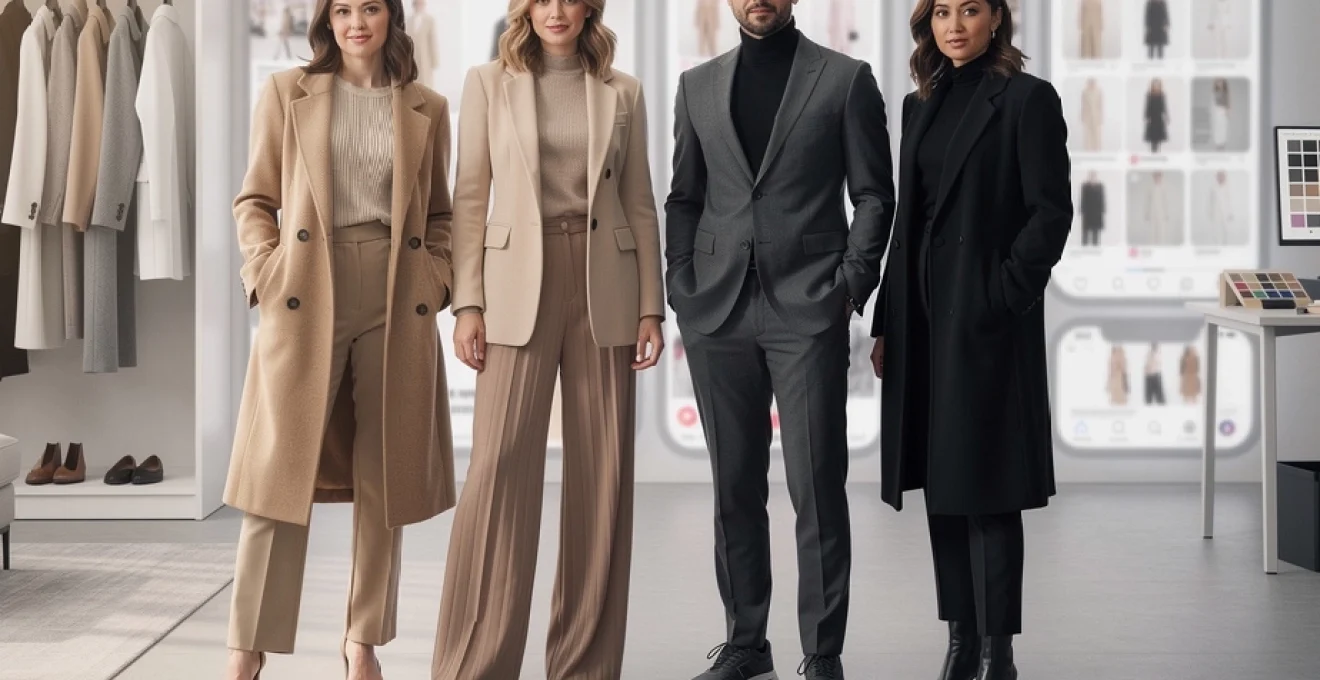
The fashion landscape has witnessed a remarkable shift towards monochromatic dressing, where single-colour coordination has evolved from a styling technique into a cultural phenomenon. This trend represents more than aesthetic preference; it embodies a psychological response to our increasingly complex visual environment. From boardroom presentations to red carpet events, monochrome outfits are commanding attention across diverse fashion contexts. The surge in popularity reflects deeper societal changes, including digital consumption patterns, sustainability consciousness, and the human brain’s preference for visual simplicity. Understanding this movement requires examining the intersection of cognitive psychology, technological advancement, and cultural influence that drives modern fashion choices.
Psychology of minimalist colour theory in contemporary fashion
Cognitive load reduction through Single-Hue dressing
The human brain processes approximately 11 million bits of visual information per second, yet conscious awareness can only handle around 40 bits simultaneously. This cognitive bottleneck explains why monochromatic dressing creates an immediate sense of visual relief. When you wear a single colour from head to toe, the brain allocates fewer resources to processing colour variations, allowing greater focus on texture, silhouette, and personal interaction. Research in cognitive psychology demonstrates that reduced visual complexity correlates with decreased mental fatigue, making monochrome outfits inherently more comfortable to both wear and observe.
Fashion psychologists have identified this phenomenon as « chromatic simplification, » where limiting colour choices paradoxically increases style impact. The brain perceives monochromatic coordination as intentional sophistication rather than lack of creativity. This perception stems from the Gestalt principle of uniform connectedness, where elements sharing visual properties appear more organised and purposeful. Contemporary fashion brands have capitalised on this psychological preference, designing collections that emphasise tonal variations within single colour families rather than contrasting combinations.
Visual perception and gestalt principles in monochromatic styling
Gestalt psychology provides crucial insights into monochrome fashion’s effectiveness through its principle of figure-ground relationships. When you wear matching tones, the outfit creates a unified figure against environmental backgrounds, enhancing presence and authority. This visual phenomenon explains why monochromatic dressing photographs exceptionally well and commands attention in professional settings. The eye naturally follows the continuous colour line, creating an elongating effect that appears flattering across diverse body types.
The principle of good continuation further reinforces monochrome appeal. Visual elements following smooth, uninterrupted paths feel more harmonious and aesthetically pleasing. Monochromatic outfits create these continuous visual flows, guiding the observer’s eye seamlessly from one garment element to another. This psychological comfort translates into increased confidence for the wearer, as they instinctively understand their appearance creates positive visual impact without requiring conscious analysis.
Chromatic fatigue and the appeal of neutral palettes
Digital age sensory overload has created widespread chromatic fatigue, where constant exposure to vibrant, competing colours exhausts visual processing systems. Neutral monochromatic palettes—ranging from soft grays to warm beiges—provide necessary visual respite. Studies indicate that environments with reduced colour complexity decrease cortisol levels, suggesting monochrome dressing may contribute to stress reduction. This biological response explains the growing preference for minimalist colour schemes in both fashion and interior design.
Neutral tones possess unique psychological properties that enhance their appeal in professional and social contexts. Gray, for instance, signals sophistication and reliability without triggering strong emotional responses that might overshadow personal interaction. Beige and camel tones convey warmth and approachability while maintaining professional credibility. These colour choices allow personality and communication skills to take precedence over visual distraction, making monochrome neutral dressing particularly effective for leadership roles and client-facing positions.
Psychological impact of tonal variations within single colour families
Advanced monochromatic styling involves sophisticated manipulation of tonal variations within single colour families. This approach creates visual depth while maintaining chromatic harmony, satisfying both the brain’s need for simplicity and its desire for complexity. Tonal layering techniques—such as combining navy, royal blue, and powder blue—create rich visual textures without colour clash anxiety.
Within this framework, each shade carries a distinct emotional register: pale tones communicate softness and approachability, mid-tones suggest balance and reliability, while deep hues project authority and drama. When you construct a monochrome outfit using this tonal hierarchy, you can subtly modulate how formal, powerful or relaxed your look feels without introducing new colours. This is why a head-to-toe cream ensemble feels calming and expansive, whereas the same silhouette in deep forest green appears grounded and introspective. In practice, modern stylists use tonal variations as a precision tool—adjusting shade rather than adding contrast—to fine-tune the psychological message of an outfit. The result is styling that appears effortless, yet is underpinned by a sophisticated understanding of colour perception.
Digital influence and social media algorithm preferences
Instagram aesthetic algorithms favouring cohesive visual content
Monochrome outfits have also surged in popularity because they perform exceptionally well within image-driven platforms, particularly Instagram. The platform’s algorithm is optimised to reward content that generates strong engagement signals—saves, shares, and longer viewing times—and visually cohesive imagery tends to trigger those behaviours. A single-colour outfit reads instantly in the feed’s small thumbnails, making users more likely to stop scrolling and tap, which in turn signals relevance to the algorithm.
From a content creation standpoint, monochrome dressing simplifies grid curation. Influencers and brands often design their feeds as visual mosaics where colour continuity creates an identifiable “aesthetic.” Repeated use of monochrome looks—whether all-black streetwear or softly tonal beiges—produces a recognisable visual signature that followers can spot even before seeing the account name. This consistency builds brand equity and follower trust, reinforcing the incentive to style and photograph outfits in unified colour stories.
Pinterest board curation and monochrome search optimisation
Pinterest operates as a visual search engine, and monochrome styling aligns perfectly with its keyword-driven discovery model. Users rarely search for vague terms like “nice outfit”; instead, they type specific, long-tail queries such as “all white summer outfit” or “neutral monochrome workwear.” Because these searches explicitly reference single-colour coordination, pins featuring monochrome looks are more likely to surface in top results and be saved to multiple boards.
For creators and brands, this means that naming boards and pins with clear monochrome descriptors—“camel monochrome outfit ideas” or “black tonal layering inspiration”—improves search visibility and click-through rates. Over time, Pinterest’s recommendation engine learns that users who engage with one monochrome look are likely to appreciate others, creating a feedback loop that amplifies this aesthetic. In effect, the platform’s optimisation logic helps turn monochromatic outfits from a niche styling choice into a mainstream reference point.
Tiktok fashion influencers promoting single-colour coordination
TikTok’s fast-paced, trend-driven environment has given rise to countless styling challenges, many of which revolve around single-colour dressing. Videos with hooks like “styling 7 all-black outfits for the week” or “one colour, five ways” perform well because they deliver clear structure and instant visual payoff. Viewers can see the impact of monochrome dressing within the first seconds of a clip, which is crucial on a platform where attention spans are measured in swipes.
Influencers also favour monochrome looks because they translate cleanly across different filming locations and lighting conditions. A red suit or full khaki ensemble retains its narrative clarity whether filmed in a bedroom or on a city street, making it easier to batch content without losing coherence. As these videos trend, they normalise the idea that “looking put together” often equates to wearing one dominant colour, subtly reshaping audience expectations of what a stylish outfit should look like.
Linkedin professional branding through minimalist wardrobe choices
Beyond overtly fashion-focused platforms, monochrome outfits are reshaping visual norms on professional networks such as LinkedIn. As more professionals cultivate personal brands online, profile photos and conference snapshots play a key role in how competence and credibility are perceived. Minimalist, single-colour outfits project clarity, discipline and focus—qualities that align strongly with leadership and expertise narratives.
In corporate headshots, an all-navy, charcoal or camel outfit creates a clean outline against neutral backdrops, reducing visual noise and drawing attention to facial expression. This has a subtle but measurable impact: surveys of hiring managers consistently show a preference for candidates whose presentation appears intentional yet understated. By using monochromatic dressing as part of their digital presence, professionals signal strategic thinking and consistency, reinforcing their written credentials and work history.
Capsule wardrobe philosophy and sustainable fashion movements
The rise of capsule wardrobes and conscious consumption has provided another powerful driver for monochrome styling. A capsule wardrobe emphasises owning fewer, higher-quality pieces that mix and match seamlessly, and building around one or two key colour families is one of the most efficient ways to achieve that. When your trousers, outerwear and knitwear all sit within a shared tonal range—say, greige and mushroom or navy and ink—outfit combinations multiply without the stress of colour clash.
From a sustainability perspective, this approach supports slow fashion principles. Investing in a tightly edited palette encourages thoughtful purchasing decisions: you are more likely to ask whether a new piece complements existing items and less likely to buy trend-led colours that quickly feel dated. Studies from fashion sustainability organisations indicate that extending a garment’s active lifespan by just nine months can reduce its carbon, waste and water footprints by 20–30%. Monochrome-friendly wardrobes make this extension more realistic because pieces remain versatile across seasons and occasions.
Monochromatic outfits also simplify the transition between work, leisure and formal events, reducing the perceived need for separate wardrobes. The same black tailored trousers can work in an all-black office look with a blazer, then reappear in a tonal evening outfit with a silk top and statement accessories. As consumers become more aware of fashion’s environmental impact, the appeal of a coherent, low-effort system—where single-colour coordination is the default rather than the exception—continues to grow.
Technical fabric innovation enabling monochromatic coordination
Advanced dye technologies creating consistent colour matching
Behind the visual ease of monochrome dressing lies significant progress in textile and dye technology. Historically, achieving perfect colour consistency across fabrics was challenging: cotton, wool and synthetic fibres absorb dye differently, often resulting in subtle but noticeable shade variations. Modern reactive and disperse dye processes, combined with precise digital formula tracking, now allow manufacturers to reproduce identical hues across diverse materials with high accuracy.
This advancement has direct implications for single-colour outfit styling. When a blazer, trouser and knit are described as “chocolate brown” or “slate grey” across different product categories, consumers increasingly find that these pieces align in real life rather than clashing slightly. Brands can also create modular collections—drop-one season after another—while maintaining consistent colour codes, enabling customers to build extended monochrome wardrobes over time. For wearers, this turns tonal dressing from a lucky accident into a reliable, repeatable strategy.
Performance textiles in matching tonal ranges
The integration of performance fabrics into everyday wardrobes has further expanded monochrome possibilities. Technical textiles—moisture-wicking poly-blends, stretch wool, recycled nylon—now come in sophisticated, fashion-forward colour ranges rather than the limited black and primary tones of earlier activewear. This means you can assemble a head-to-toe monochrome look that is also breathable, crease-resistant and weather-appropriate.
Consider the modern commuter who moves between bike, office and evening plans in a single day. Matching graphite-toned performance chinos, a lightweight merino knit and a water-repellent shell jacket creates a cohesive grey monochrome outfit that also addresses comfort and practicality. Because these fabrics are engineered for durability and colourfastness, they maintain their hue after repeated washing and exposure to sunlight, preserving the integrity of long-term tonal coordination. As performance wear blurs into everyday fashion, single-colour dressing becomes not only stylish but functionally intelligent.
Digital colour calibration systems for cross-brand coordination
Another quiet revolution enabling monochrome styling is the standardisation of colour communication across the fashion supply chain. Digital colour calibration tools and systems like Pantone matching allow designers, factories and retailers to reference precise hues without ambiguity. High-resolution spectrophotometers measure colour values that can be shared globally, ensuring that “camel” in a coat and “camel” in a knit align within a tolerable variance range, even when produced by different suppliers.
For consumers, this translates into a smoother experience when mixing brands in a single monochrome outfit. While perfect matches remain challenging, especially across vastly different fabrics, the margin of error has narrowed significantly. Shoppers can confidently combine a stone trench from one label with oat-toned trousers from another and achieve a deliberate, tonal effect rather than an almost-right mismatch. As online shopping continues to dominate, this reliability in digital colour representation further encourages the adoption of monochrome looks built from multiple sources.
Celebrity style icons championing monochrome aesthetics
Victoria beckham’s strategic monochromatic brand identity
Celebrity influence has always shaped mainstream style, and monochrome dressing is no exception. Victoria Beckham stands as one of the most consistent advocates of refined, single-colour coordination. Her public appearances frequently feature elongated silhouettes in black, ivory or deep navy, with only subtle shifts in texture to break up the look. This repetition is not accidental; it reinforces the core values of her namesake brand—precision, restraint and modern luxury.
From a branding perspective, Beckham’s monochrome outfits function like a logo. Whether she is photographed at an airport, a fashion show or a business meeting, the visual language remains coherent. This consistency trains audiences to associate streamlined, tonal dressing with her persona and label, indirectly educating consumers on how powerful a single-colour outfit can be as a personal style signature. In doing so, she has helped legitimise monochrome dressing as a sophisticated choice rather than a safe fallback.
Meghan markle’s camel and beige signature styling approach
Meghan Markle’s affinity for camel, beige and soft caramel tones has also played a major role in popularising neutral monochrome looks. During key public engagements, she has often appeared in layered tonal ensembles—camel coats over lighter beige knits and slightly deeper taupe skirts—creating a gradient effect within a single colour family. These outfits communicate warmth and approachability while retaining a polished, diplomatic edge suited to high-profile appearances.
Markle’s influence is particularly potent because her looks are widely shared and dissected across both fashion media and mainstream news outlets. When a camel coat sells out within hours of her wearing it, it is not just the individual item that resonates but the entire palette and styling method. Her repeated use of these tones has normalised the idea that a wardrobe built around a small cluster of neutrals can feel both luxurious and practical, encouraging many to adopt similar monochromatic dressing habits in their day-to-day lives.
Rosie Huntington-Whiteley’s tonal dressing red carpet strategy
Model and entrepreneur Rosie Huntington-Whiteley has become synonymous with understated, tonal glamour, particularly on red carpets and in campaign imagery. Rather than relying on high-contrast combinations, she often selects gowns and separates in champagne, stone, chocolate or soft blush, pairing them with make-up and accessories in the same hue range. The effect is almost sculptural: her figure becomes the focus, while the colour story remains calm and cohesive.
This strategy translates seamlessly into her off-duty style, where head-to-toe greige, mole and mushroom looks dominate. By sharing these outfits on social media alongside her beauty and lifestyle ventures, Huntington-Whiteley presents monochrome dressing as a holistic aesthetic approach—not just a red-carpet trick but a way of simplifying and refining everyday choices. For followers seeking a “quiet luxury” visual identity, her tonal looks provide a clear, aspirational blueprint.
Kim kardashian’s balenciaga monochrome collaboration impact
On the more directional end of the spectrum, Kim Kardashian’s collaborations and appearances with Balenciaga have pushed monochrome dressing into highly experimental territory. Full-body looks in electric pink, saturated black or graphite—often including matching gloves, boots and even accessories—have dominated headlines and social feeds. These extreme, almost futuristic single-colour outfits demonstrate the theatrical potential of monochrome when taken to its limit.
While few people will replicate such literal head-to-toe interpretations, the visual impact of these appearances has filtered down into more wearable trends: tonal athleisure sets, single-colour lounge looks and streetwear co-ords in bold hues. Kardashian’s influence shows that monochrome is not confined to neutrals or minimalism; it can also serve as a canvas for maximal expression, using colour intensity and silhouette exaggeration rather than print and pattern to create drama.
Professional styling techniques for monochromatic outfit construction
Understanding why monochrome outfits are popular is one thing; applying the principles in your own wardrobe is another. Professional stylists treat single-colour dressing almost like architecture, using structure, texture and proportion to keep looks dynamic. The goal is to harness the clarity of a unified palette while avoiding flatness or visual monotony. With a few strategic techniques, you can build monochrome outfits that feel elevated, intentional and adaptable to different contexts.
First, prioritise texture contrast within your chosen colour. Pair matte with shine—think wool with silk, denim with satin, cashmere with polished leather—to create subtle depth that the eye reads as richness rather than busyness. Second, play with silhouette: combine tailored pieces with relaxed ones, such as a sharp blazer over wide-leg trousers in the same shade, to introduce tension and interest. Finally, use accessories either to reinforce the monochrome story (tonal shoes and bags) or to provide a single, deliberate point of contrast, like a metallic belt on an all-black look. By approaching outfit building with this level of intention, monochrome dressing becomes less of a trend and more of a reliable styling framework you can return to season after season.