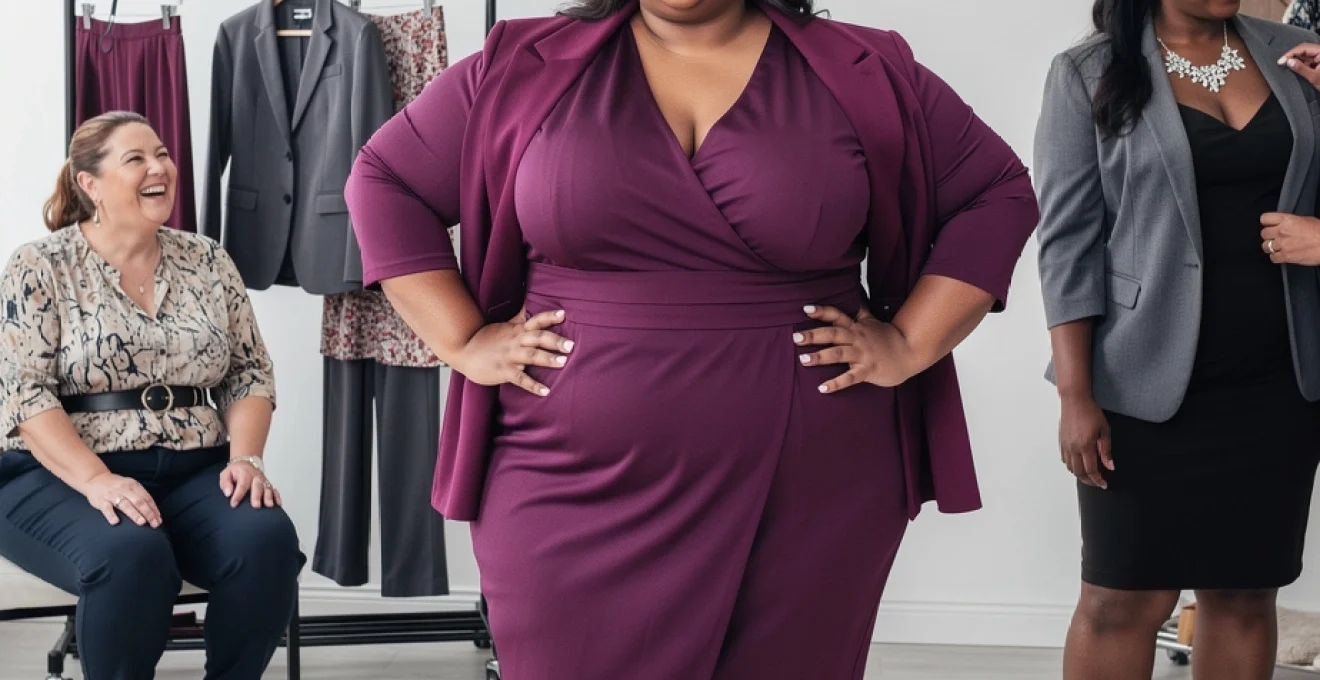
The fashion landscape has undergone a remarkable transformation, with plus size fashion emerging as one of the most dynamic and empowering sectors of the industry. Today’s size-inclusive fashion market represents a £21 billion industry globally, reflecting a significant shift towards celebrating diverse body types and promoting authentic self-expression. This evolution has created unprecedented opportunities for individuals wearing sizes 14 and above to explore personal style with confidence and sophistication.
The journey towards embracing plus size fashion extends far beyond selecting flattering garments—it encompasses understanding body proportions, mastering styling techniques, and developing an authentic personal aesthetic that reflects individual personality and lifestyle needs. Modern plus size fashion has moved away from outdated notions of concealment, instead focusing on enhancement, celebration, and empowerment through thoughtful design and strategic styling approaches.
Understanding plus size fashion terminology and Body-Positive styling principles
Decoding Size-Inclusive fashion industry standards and measurements
The plus size fashion industry operates within specific sizing parameters that vary significantly between brands and regions. In the UK, plus size typically begins at size 16, whilst in the US market, it commonly starts at size 14. However, these numerical designations represent only the beginning of understanding size-inclusive fashion. The industry has developed sophisticated measurement systems that consider bust, waist, and hip proportions rather than relying solely on arbitrary size numbers.
Contemporary sizing approaches incorporate advanced fit technologies and comprehensive measurement databases to create more accurate size ranges. Many leading brands now utilise body scanning technology and customer feedback systems to refine their sizing algorithms, resulting in improved fit consistency across different garment categories. This technological advancement has revolutionised how plus size fashion brands approach pattern-making and grading processes.
Body shape analysis: apple, pear, hourglass, and rectangle silhouettes in plus sizing
Understanding body shape analysis forms the foundation of confident plus size styling. The traditional body shape categories—apple, pear, hourglass, and rectangle—provide valuable frameworks for selecting flattering silhouettes, though individual variations within these categories require personalised approaches. Apple shapes typically carry weight through the midsection, whilst pear shapes feature fuller hips and thighs with narrower shoulders.
Hourglass figures maintain proportional bust and hip measurements with defined waistlines, making them particularly suited to fitted and structured garments. Rectangle shapes exhibit similar measurements across bust, waist, and hips, creating opportunities for creative styling that adds visual interest and dimension. Each body type benefits from specific styling strategies that enhance natural proportions whilst creating visually pleasing silhouettes.
Fashion psychology and Self-Perception in size 14+ wardrobing
The psychological impact of clothing choices on self-confidence represents a crucial aspect of plus size fashion success. Research indicates that individuals who dress in alignment with their personal style preferences demonstrate increased confidence levels and improved self-perception. This phenomenon, known as enclothed cognition, suggests that clothing choices directly influence mental state and behavioural patterns.
Developing a positive relationship with plus size fashion requires challenging internalised beauty standards and embracing authentic self-expression. The process involves recognising that fashion serves as a tool for empowerment rather than disguise, enabling individuals to communicate personality, creativity, and confidence through thoughtful garment selection and styling approaches.
Inclusive fashion movement: from ashley graham to tess holliday’s industry impact
The inclusive fashion movement has gained unprecedented momentum through the advocacy of prominent figures who challenge conventional beauty standards. These influencers have demonstrated that style transcends size limitations, inspiring millions to embrace plus size fashion with confidence and authenticity. Their impact extends beyond individual empowerment to influence industry practices, brand development, and media representation.
Major fashion weeks now regularly feature plus size models, whilst luxury brands increasingly expand their size ranges to accommodate diverse customer bases. This cultural shift has created new opportunities for plus size individuals to access high-quality fashion options previously unavailable in extended sizes, fundamentally changing the landscape of size-inclusive retail.
Strategic wardrobe foundation building for curves 16-32
Essential undergarments: spanx, torrid intimates, and proper bra fitting techniques</h3
High-quality undergarments form the engineering of every plus size outfit, shaping how clothing sits on the body and how comfortable you feel throughout the day. A properly fitted bra can instantly improve posture, define the waist, and create a smoother line under tops and dresses, whilst shapewear such as Spanx or Torrid Intimates helps many people feel more supported in fitted silhouettes. The goal is not to “shrink” your body but to create a foundation that allows garments to drape cleanly and enhance your natural shape.
Professional bra fitting is recommended at least once a year or after any significant weight fluctuation, pregnancy, or hormonal change. A correct fit should see the band sitting level around the torso, straps staying in place without digging, and cups encapsulating breast tissue without bulging or gaping. When shopping for plus size shapewear, consider control levels and fabric breathability—light to medium control is often ideal for everyday wear, whilst firmer styles can be reserved for occasion dressing. Investing in nude, black, and one fashion colour in both bras and briefs creates a versatile foundation for most plus size wardrobes.
Investment pieces: blazers, wrap dresses, and high-waisted trouser selection
Once foundational undergarments are in place, the next step in building a strategic plus size wardrobe involves carefully chosen investment pieces. A well-cut blazer in a mid-weight fabrication instantly elevates jeans, midi dresses, and tailored trousers, providing structure through the shoulder and waist that flatters curves from size 16 to 32. Look for designs with a gentle nip at the waist, enough room across the upper arm, and a hemline that finishes around the hip bone or mid-thigh, depending on your preferred coverage.
Wrap dresses remain a cornerstone of confident plus size fashion because they adapt to fluctuating body changes whilst defining the waist and skimming over the midsection and hips. Jersey or ponte wrap dresses in knee-length or midi cuts transition effortlessly from office to evening with a simple change of accessories. High-waisted trousers and wide-leg styles offer similar versatility, elongating the legs and supporting the lower abdomen. When trying high-waisted trousers, sit down, walk around, and check pocket placement to ensure a smooth line over the hips and a comfortable rise that does not dig into the waist.
Colour psychology and pattern placement for fuller figures
Colour psychology plays a powerful role in plus size styling, influencing not only how others perceive your outfits but also how you feel wearing them. Deeper jewel tones such as emerald, sapphire, and garnet often appear luxurious and intentional, making them excellent choices for workwear and occasion dressing in sizes 14 and above. Meanwhile, softer neutrals—camel, dove grey, and warm taupe—create a sophisticated base that allows statement accessories or bold prints to shine without overwhelming your frame.
Strategic pattern placement can visually sculpt the body in much the same way as clever tailoring. Prints concentrated through the centre of the body with darker side panels can create an hourglass effect, whilst vertical stripes or elongated motifs draw the eye up and down, subtly lengthening the silhouette. If you love bold florals or animal prints, consider wearing them on areas you wish to highlight—such as the upper body for pear shapes, or all-over on a well-structured wrap dress for hourglass and rectangle figures. By using colour blocking and prints thoughtfully, you transform plus size fashion from a camouflage exercise into a deliberate, expressive style language.
Fabric technology: ponte, jersey knits, and stretch fabrications for comfort
Fabric choice can make the difference between a garment that is worn once and one that becomes a wardrobe hero. For plus size fashion, modern fabric technologies like ponte, technical jersey, and stretch wovens offer comfort, recovery, and structure in equal measure. Ponte—a double-knit fabric with moderate weight and stretch—smooths over curves and resists clinging, making it ideal for blazers, pencil skirts, and tailored dresses up to size 32.
High-quality jersey knits provide breathability and drape, essential for wrap dresses, wide-leg trousers, and everyday tops that move with you rather than against you. When assessing stretch fabrications, look for a blend that includes elastane (also known as spandex or Lycra) for resilience and shape retention, especially at the knees, elbows, and seat of trousers. Fabrics with good opacity and a soft hand-feel support body confidence by avoiding transparency and static cling, allowing you to focus on your day rather than adjusting your clothing.
Plus size styling techniques and proportional dressing methods
Vertical line creation through strategic layering and silhouette manipulation
Proportional dressing in plus size fashion hinges on guiding the eye and balancing visual weight across the body. One of the most effective methods is the deliberate creation of vertical lines, which can make the silhouette appear longer and more streamlined without resorting to head-to-toe black. Longline cardigans, duster coats, and open-front blazers form natural verticals down the torso, particularly when layered over a column of colour underneath.
Layering pieces of similar depth—such as a midi dress with a knee-length coat—prevents horizontal cutting points that can shorten the frame. Instead of thinking about “hiding” areas, consider how panels, seams, and hemlines can carve out length. For example, pairing high-waisted wide-leg trousers with a tucked-in blouse and a hip-length blazer creates three harmonious vertical zones rather than chopping the body into multiple segments. This approach to plus size layering techniques allows you to stay warm, on-trend, and visually balanced.
Accessorising strategies: statement jewellery and belt placement techniques
Accessories act as precision tools in plus size styling, drawing attention to your favourite features and refining overall proportions. Statement necklaces, long pendant chains, and bold earrings can all help to frame the face and décolletage, directing the gaze upwards. When choosing statement jewellery, consider scale: substantial pieces typically sit more harmoniously against fuller busts and broader shoulders, whereas very delicate items can visually “disappear.”
Belts, when placed thoughtfully, can define the waist and shape even the most relaxed garments. For apple and rectangle shapes, slightly higher placement—just under the bust or at the high waist—can create a flattering empire effect. Pear and hourglass figures often benefit from belts worn at the natural waist, where the body narrows. Rather than cinching uncomfortably tight, aim for a firm but gentle fit that allows you to breathe and move. By experimenting with belt widths, colours, and metallic finishes, you can transform simple shirt dresses, tunics, and oversized knits into structured, confidence-boosting outfits.
Neckline selection: v-necks, scoop necks, and décolletage enhancement
The neckline of a garment significantly influences how the upper body is perceived, especially in plus size fashion where bust proportions and shoulder breadth vary widely. V-necklines are particularly effective for size 14+ as they create the illusion of length through the centre of the torso and can balance fuller busts by opening up the chest area. Deeper Vs work beautifully for eveningwear and wrap dresses, whilst softer, medium-depth Vs are ideal for professional settings when styled with subtle jewellery.
Scoop necks offer a gentle alternative, highlighting the collarbones and upper chest without appearing overly revealing. They are especially flattering on rectangle and pear shapes, adding softness and curvature to the upper body. Square necklines or sweetheart shapes can provide structure for those with sloping shoulders or a fuller bust, supporting the décolletage whilst maintaining coverage. As you refine your plus size wardrobe, observe which necklines make you stand taller and feel most at ease—these cues often reveal your most confidence-enhancing shapes.
Hemline and sleeve length optimisation for body balance
Optimising hemlines and sleeve lengths is akin to fine-tuning a photograph—small adjustments can dramatically enhance the overall composition. For dresses and skirts, hemlines that finish just above the knee, at the knee, or mid-calf tend to work particularly well on plus size figures, as they highlight the slimmer areas of the leg and avoid cutting through the widest part of the calf. Maxi lengths can also be elegant when the fabric skims, rather than clings, and when paired with a defined waist or shaped upper body.
Sleeve length is equally strategic. Three-quarter sleeves that end around the narrowest part of the forearm are widely flattering, drawing attention to the hands, rings, and bracelets. Cap sleeves can broaden the shoulder line, which may be useful for pear-shaped figures but less so for those already broad-shouldered. Full-length sleeves in stretch or tailored fabrics create clean lines when they finish at the wrist bone without bunching. By viewing hems and sleeves as tools rather than afterthoughts, you can customise ready-to-wear plus size pieces to feel as though they were made specifically for you.
Premium plus size fashion brands and shopping strategies
The rise of premium plus size fashion brands has dramatically expanded options for shoppers seeking quality fabrics, sophisticated cuts, and contemporary design in extended sizes. Labels such as Eloquii, Marina Rinaldi, Universal Standard, and 11 Honoré have demonstrated that style, craftsmanship, and inclusive sizing can coexist at a high level. Many mainstream designers are also gradually expanding their size ranges, though availability can vary by region and retailer, making research an important part of the process.
Developing effective shopping strategies helps you navigate this evolving landscape with confidence and efficiency. Begin by identifying your core measurements—bust, waist, hip, and inseam—and compare them against each brand’s size chart rather than relying solely on standard size labels. Pay close attention to fabric descriptions, model height, and fit notes, particularly when shopping online, and read reviews from other plus size customers who may share your body type. When possible, start with one or two pieces from a new brand to test fit and fabrication before investing in multiple garments. Over time, you will curate a shortlist of go-to labels that consistently align with your style, budget, and size 14+ fit needs.
Professional plus size styling for workplace confidence
Navigating professional dress codes as a plus size individual can sometimes feel like walking a tightrope between formality, comfort, and self-expression. Yet, with the right building blocks, a polished work wardrobe becomes a powerful tool for career confidence. Structured blazers, tailored ankle trousers, and knee-length pencil or A-line skirts provide a strong foundation for most office environments. Choosing high-quality fabrics that resist creasing—such as ponte, stretch suiting, or blended wovens—ensures you look composed from your morning commute through late-afternoon meetings.
For business-casual settings, wrap dresses, shirt dresses, and elevated knitwear deliver both professionalism and ease. Consider a “capsule” approach to plus size workwear: select a cohesive colour palette of three to five tones (for example, navy, black, ivory, and burgundy) and build interchangeable outfits around them. This strategy maximises outfit combinations whilst minimising decision fatigue. Thoughtful accessories—a structured tote, classic watch, and understated jewellery—finish the look without detracting from your presence. Most importantly, choose silhouettes that allow you to move, breathe, and present confidently; if you are constantly adjusting your clothing in a meeting, it is a sign the fit is working against you rather than for you.
Sustainable plus size fashion and ethical shopping practices
As sustainability becomes a central conversation in the wider fashion industry, plus size consumers are increasingly seeking ethical options that align with their values as well as their bodies. Historically, extended sizing has lagged behind in eco-conscious offerings, but this is slowly changing as more brands adopt inclusive pattern grading and responsible production methods. Shopping sustainably in plus size fashion often means shifting from impulsive, trend-driven purchases towards intentional, long-term wardrobe planning.
Practical strategies include prioritising quality over quantity, investing in durable pieces that withstand frequent wear, and exploring second-hand or resale platforms that now carry more size-inclusive ranges. Tailoring can also extend the life of garments, allowing you to adjust fit as your body or style evolves rather than replacing items entirely. When evaluating brands, look for transparency around supply chains, fabric sourcing, and labour practices, even if their size range is still expanding. Ultimately, sustainable plus size fashion is about respecting both your body and the planet—choosing clothes that support your lifestyle, reflect your identity, and stand the test of time in both quality and design.