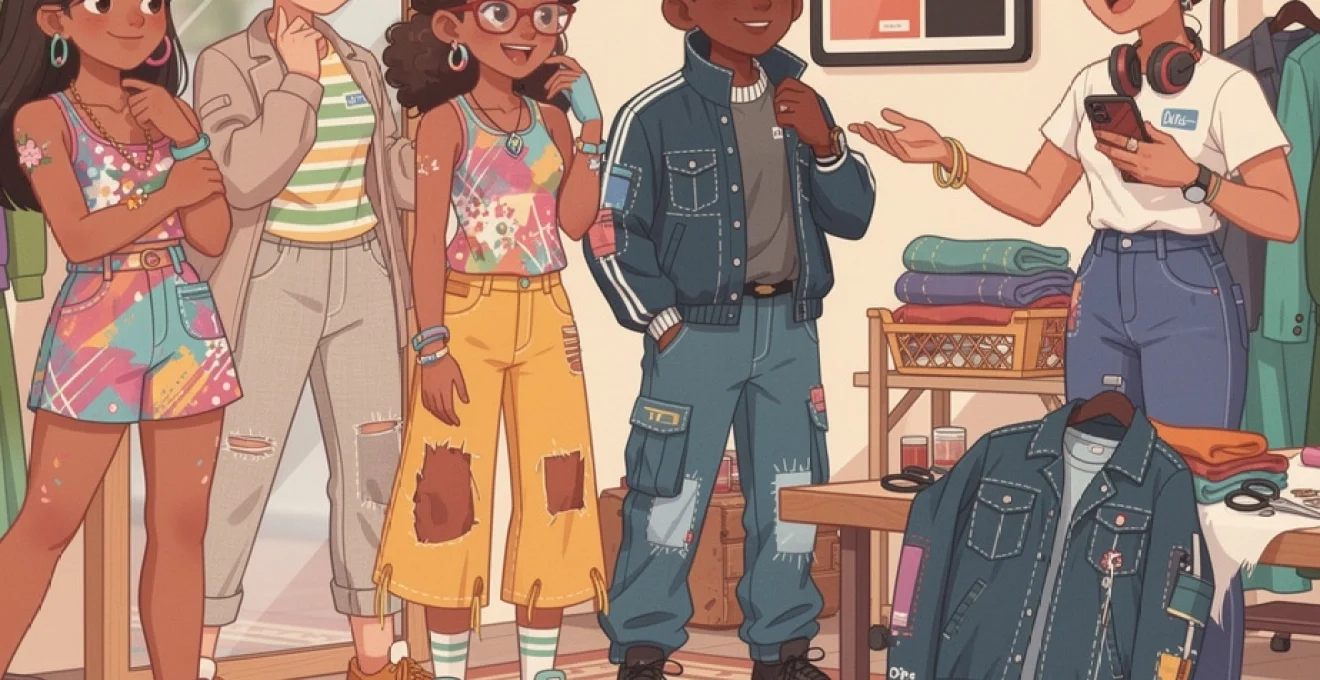
The teenage years represent a crucial period of identity formation, where young people navigate the complex landscape of self-discovery whilst facing mounting social pressures. During this transformative phase, personal style emerges as a powerful tool for building confidence and expressing individuality. Research consistently demonstrates that clothing choices significantly impact adolescent self-esteem, social interactions, and overall psychological well-being. When teenagers feel comfortable and authentic in their appearance, this confidence extends far beyond their wardrobe, influencing academic performance, peer relationships, and future aspirations.
Understanding the intricate relationship between fashion and teenage confidence requires examining various psychological theories, practical styling strategies, and contemporary challenges posed by digital media. The modern teenager faces unprecedented pressures from social media platforms, fast fashion trends, and evolving cultural expectations, making it essential for parents, educators, and young people themselves to develop comprehensive approaches to personal style development.
Adolescent identity formation through fashion psychology and Self-Expression
Fashion psychology reveals fascinating insights into how clothing choices influence teenage behaviour and self-perception. The garments teenagers select serve as external manifestations of their internal identity development process, creating a visual language that communicates their values, aspirations, and group affiliations to the world around them.
Erik erikson’s identity vs role confusion theory in teen wardrobe choices
Erik Erikson’s developmental theory identifies adolescence as the critical stage of identity versus role confusion, where teenagers must successfully navigate various social roles to establish a coherent sense of self. Fashion choices become instrumental in this process, allowing young people to experiment with different personas and identities safely. When teenagers dress as goths, athletes, academics, or artists, they’re essentially trying on different aspects of their developing personality to discover what feels authentic.
This experimentation through clothing serves multiple psychological functions. It provides teenagers with a sense of control during a period when many aspects of their lives feel uncertain or dictated by others. The ability to curate their appearance gives them agency over how they present themselves to the world, fostering independence and self-determination. Additionally, these style experiments help teenagers understand which aspects of different identities resonate with their core values and preferences.
Dopamine dressing effects on teenage mood regulation and Self-Perception
The concept of dopamine dressing has gained significant attention in recent years, referring to the practice of wearing clothes that trigger positive emotional responses and boost mood. For teenagers, who often experience intense emotional fluctuations due to hormonal changes and social pressures, understanding how to use clothing as a mood regulation tool can be particularly beneficial.
Bright colours, comfortable textures, and personally meaningful garments can stimulate the release of dopamine, creating positive feedback loops that enhance self-esteem and emotional well-being. This phenomenon explains why many teenagers gravitate towards specific comfort items or have particular outfits that make them feel invincible. Teaching young people to recognise and cultivate these positive associations with clothing empowers them to use fashion as a form of self-care and emotional regulation.
Social identity theory applications in peer group fashion dynamics
Social Identity Theory demonstrates how individuals derive part of their self-concept from membership in social groups. For teenagers, fashion often serves as a primary marker of group membership, helping them navigate complex social hierarchies and find their tribe within school and community settings. Understanding these dynamics helps explain why certain style choices carry such emotional weight for young people.
The challenge lies in helping teenagers develop personal style that feels authentic rather than merely conforming to group expectations. When young people understand that they can draw inspiration from various sources whilst maintaining their individuality, they develop more resilient self-concepts that aren’t entirely dependent on external validation. This balance between social connection and personal authenticity forms the foundation of confident self-expression.
Enclothed cognition research: how clothing influences teenage behaviour patterns
Enclothed cognition research reveals that clothing doesn’t merely reflect our personalities—it actively shapes our thoughts, feelings, and behaviours. When teenagers wear formal attire, they often demonstrate improved focus and academic performance. Athletic wear can enhance physical confidence and motivation, whilst creative or artistic clothing choices may stimulate innovative thinking and self-expression.
This psychological phenomenon has practical implications for helping teenagers harness the power of clothing
This psychological phenomenon has practical implications for helping teenagers harness the power of clothing in everyday life. By consciously selecting outfits that align with the tasks ahead—such as comfortable but structured clothing for exams or collaborative projects—young people can prime their brains for focus, persistence, and social engagement. Parents and educators can support this by guiding teens to notice how different outfits affect their concentration and confidence, almost like running small personal experiments. Over time, teenagers learn to use personal style as a strategic tool, not only for self-expression but also for shaping behaviour patterns that support their goals.
Wardrobe curation strategies for teenage body dysmorphia and self-acceptance
As teenagers move through rapid physical changes, many experience heightened body awareness, comparison, and sometimes body dysmorphia. In this context, personal style can either become a source of anxiety or a pathway to self-acceptance. Curating a teen wardrobe with intention helps shift the focus from “fixing” the body to celebrating individuality and comfort. When clothing is chosen to honour, rather than hide, a teenager’s changing body, confidence in personal appearance gradually strengthens.
Colour theory applications: seasonal analysis and undertone matching for teen skin
Colour theory offers an accessible way for teenagers to understand why certain shades make them feel more vibrant, awake, and confident. Seasonal colour analysis groups tones into categories such as warm spring, cool summer, rich autumn, or bright winter, based on undertones in the skin, hair, and eyes. When a teenager discovers which colours naturally enhance their features, clothing stops being a battlefield and becomes more like a supportive spotlight. This gentle shift—from “Does this colour hide my flaws?” to “This colour brings my face to life”—can be profound for self-esteem.
Helping teens identify whether they have warm, cool, or neutral undertones is a practical first step in building a confidence-boosting wardrobe. Simple exercises, like comparing how they look in silver versus gold jewellery, or holding different coloured fabrics near the face in natural light, can reveal clear preferences. You might ask, “Which colour makes your eyes stand out more?” rather than “Which one makes you look thinner?” to keep the focus on positivity. Over time, teens build a mental palette of go-to colours that reliably make them feel grounded and self-assured.
Body geometry principles: silhouette mapping for adolescent physique changes
Teenage bodies do not change in a linear or predictable way, which can make shopping for clothes feel frustrating or even distressing. Body geometry principles—understanding how proportions, lines, and shapes interact on the body—help demystify this process. Instead of labelling bodies as “good” or “bad,” we can talk about silhouettes, such as more angular versus softer lines, longer torsos versus longer legs, or broader shoulders versus narrower hips. This neutral language encourages teenagers to see their bodies as unique blueprints for style, not problems to solve.
“Silhouette mapping” involves noticing where garments naturally skim, cling, or add structure to the body. For example, a teen who feels self-conscious about broad shoulders might feel more balanced in raglan sleeves or v-necks that visually soften the upper body. Another who worries about long legs and a shorter torso might feel more at ease in mid-rise trousers and slightly longer tops. Rather than chasing one ideal body type, teenagers learn to ask: “What silhouettes make me feel powerful, comfortable, and like myself?” This mindset is a quiet but powerful antidote to body dysmorphia.
Fabric technology and textile selection for growing teen bodies
Fabric choice plays a surprisingly important role in teenage confidence, especially during growth spurts and hormonal shifts that can affect comfort. Modern textile technology offers breathable, stretch-friendly, and moisture-wicking materials that adapt better to fluctuating sizes and sensitivities. For teens dealing with acne on the body, sensory issues, or temperature changes, the wrong fabric can make a school day feel endless, while the right one can make movement and social interaction feel effortless. Clothing that moves with the body, instead of fighting against it, supports a more positive relationship with personal style.
Encouraging teenagers to read fabric labels and notice how different textiles feel on their skin builds both self-awareness and practical style skills. Natural fibres like cotton, bamboo, and linen often allow the skin to breathe, while blends with elastane or spandex can provide gentle stretch that accommodates growth. You can frame fabric selection as part of caring for the body—much like choosing the right trainers for sport—rather than a superficial fashion concern. As teens notice that certain fabrics reduce irritation, cling less, or feel more supportive, they gain another tool for regulating comfort and confidence through clothing.
Proportion theory implementation in youth fashion styling techniques
Proportion theory focuses on how visual balance is created through the relationship between different parts of an outfit. Teaching teens simple concepts—such as pairing looser tops with more fitted bottoms, or balancing bold prints with solid neutrals—helps them create looks that feel intentional rather than chaotic. This is particularly empowering for young people who feel awkward or “out of proportion” as their bodies grow at different rates. Thoughtful styling can make them feel more harmonious in their clothing, even when they do not yet feel fully at home in their changing bodies.
Think of proportion like composing a piece of music: too many loud instruments at once can feel overwhelming, while a mix of strong and soft elements creates rhythm and flow. You might guide a teen who loves oversized hoodies to experiment with slimmer jeans or leggings, or suggest that someone who prefers wide-leg trousers try a tucked-in or cropped top to define their shape. These are not rigid rules but starting points for exploration. As teenagers see how small adjustments affect overall balance, they realise they have more control over how they look and feel than they previously imagined.
Digital fashion influence management and social media literacy
Digital platforms have transformed how teenagers discover, discuss, and consume fashion. Algorithms constantly present curated images of “perfect” outfits, bodies, and lifestyles, which can subtly erode teenage confidence if not critically examined. Helping young people develop social media literacy around fashion means teaching them to question what they see: Which images are sponsored? How much editing or filtering is involved? Who is missing from these style narratives? When teens view online fashion content through a critical lens, they are less likely to compare themselves harshly or feel pressured to chase every micro-trend.
One effective approach is to treat social media feeds like wardrobes that can be decluttered and redesigned. You can encourage teenagers to “edit” their feeds by unfollowing accounts that fuel insecurity and following creators who promote inclusive, body-positive, and authentic personal style. Ask them: “After you scroll, do you feel inspired or drained?” This simple question helps teens connect their digital habits with their emotional state. Over time, they learn that managing fashion influence online is as much a part of personal style as choosing what to wear in the morning.
Sustainable fashion education and ethical consumption habits
As teenagers develop personal style, they are also forming lifelong habits around consumption and responsibility. Introducing sustainable fashion concepts equips them to make choices that support both their confidence and their values. Understanding where clothes come from, how they are made, and what happens when they are discarded helps teens see personal style as part of a larger ethical picture. When young people realise they can look good, feel good, and do good at the same time, fashion becomes a meaningful expression of identity and conscience.
Fast fashion impact assessment and environmental consciousness building
Fast fashion brands often attract teenagers with low prices and rapid trend cycles, but the hidden costs can be significant. Research from the United Nations Environment Programme suggests the fashion industry is responsible for up to 10% of global carbon emissions, with fast fashion contributing heavily to this footprint. Millions of garments end up in landfills each year, many of them worn only a handful of times. Helping teens connect these facts to their everyday shopping decisions can be eye-opening: each impulse purchase becomes part of a larger environmental story.
Rather than shaming teenagers for liking trendy pieces, we can invite them to become “style detectives” who ask deeper questions before buying: Who made this? How long will I wear it? What happens when I’m done with it? Comparing fast fashion habits to constantly buying disposable plastic bottles, versus investing in a reusable one, can make the issue more tangible. As environmental consciousness grows, teens often feel proud of making more considered choices, which in turn strengthens their sense of agency and confidence.
Capsule wardrobe construction using cost-per-wear analysis
A capsule wardrobe—built around a smaller number of versatile, well-loved pieces—can be a powerful tool for teenage confidence. Instead of overflowing drawers of clothes they rarely wear, teenagers learn to focus on items that fit well, feel comfortable, and reflect their evolving style. Introducing the concept of cost-per-wear helps make this approach practical: the real value of a garment lies in how often it is worn, not just its price tag. For instance, a higher-quality jacket worn 100 times may be better value than a cheap top worn twice.
Building a capsule wardrobe with a teenager can become a collaborative project that blends creativity with financial literacy. Together, you might identify core pieces—such as favourite jeans, neutral tops, a reliable pair of trainers, and a jacket—that mix and match easily across school, social, and family settings. From there, trendier items can be added sparingly to keep the wardrobe feeling fresh. As teens experience the ease of getting dressed from a thoughtfully curated closet, they often feel more in control and less stressed about daily outfit choices, which subtly boosts overall confidence.
Second-hand shopping strategies: thrift store navigation and vintage authentication
Second-hand shopping offers teenagers a way to experiment with personal style that is both budget-friendly and sustainable. Thrift stores, charity shops, and online resale platforms provide access to unique pieces that are less likely to be duplicated in the school corridor. For many teens, this uniqueness translates directly into confidence: they are not just copying a look from a high-street mannequin, but building something original. Learning how to navigate these spaces effectively turns shopping into a skill-building adventure rather than a stressful obligation.
Practical strategies include going thrifting with a loose list of desired items—such as “a cosy jumper,” “a denim jacket,” or “a fun graphic tee”—rather than expecting to find something ultra-specific. Teaching teens to check seams, zips, fabric quality, and labels helps them distinguish long-lasting finds from worn-out pieces. For those interested in vintage fashion, simple tips like researching old brand tags, care labels, and construction details can make “authentic vintage” feel like a treasure hunt. This process builds patience, discernment, and pride in discovering pieces that genuinely resonate with their style story.
Upcycling techniques and DIY fashion modification skills development
Upcycling and DIY fashion give teenagers hands-on control over their wardrobe, transforming old or basic items into something new and personally meaningful. Simple modifications—like cropping a t-shirt, adding patches to a jacket, or dyeing a faded hoodie—turn clothing into a creative project rather than a fixed product. For teens struggling with confidence, the act of remaking garments can mirror the internal work of redefining themselves: they learn that change is possible, and that imperfections can be turned into features rather than flaws.
Supporting teens in developing basic skills such as sewing on buttons, using iron-on patches, or customising trainers with fabric pens builds both practical competence and self-belief. You might liken it to customising a favourite video game character: small tweaks can dramatically alter how the character feels and performs, without changing who they are at the core. Workshops at schools, youth clubs, or community centres can further nurture these abilities, creating spaces where fashion, sustainability, and self-expression intersect. Over time, teens begin to see their wardrobe as a flexible canvas for experimentation, reinforcing the message that they, too, are works in progress—and that this is something to celebrate.
Cultural appropriation awareness and respectful style expression
In an increasingly interconnected world, teenagers are exposed to fashion influences from a wide range of cultures through social media, music, and entertainment. While this diversity can inspire rich, creative personal style, it also raises important questions about cultural appropriation and respect. Helping teens distinguish between appreciation and appropriation is essential for developing confidence that is rooted not only in self-expression, but also in empathy and social awareness. After all, what good is a “cool” outfit if it unintentionally disrespects the people it borrows from?
Conversations about cultural appropriation in fashion can begin with simple guiding questions: Is this item sacred or deeply symbolic in its original culture? Am I wearing it as a costume or stereotype? Am I giving credit to the culture it comes from, or claiming it as my own invention? Encouraging teens to research the history of styles they admire—such as traditional hairstyles, garments, or patterns—builds both knowledge and humility. When teenagers choose to engage with cultural fashion elements respectfully, by supporting creators from those communities or wearing items in appropriate contexts, their style choices become expressions of solidarity rather than superficial trends.
Professional styling consultation benefits and teen mentorship programmes
While many teenagers navigate personal style independently, some benefit from additional guidance through professional styling consultations or structured mentorship programmes. A trained stylist or image consultant can translate abstract ideas about identity and confidence into concrete wardrobe strategies tailored to a young person’s body, budget, and lifestyle. Far from pushing expensive trends, a thoughtful professional helps teens understand fit, colour, proportion, and outfit-building in ways that make daily dressing less stressful. For teens who feel overwhelmed, even a single session can provide practical “style tools” they can reuse for years.
Mentorship programmes—whether run through schools, community organisations, or youth initiatives—can extend this support by pairing teenagers with adults who model healthy, authentic self-expression. These mentors might include designers, stylists, counsellors, or simply older students who have navigated similar style and confidence challenges. Through workshops, group discussions, and wardrobe clinics, teens gain not only fashion knowledge but also emotional support and encouragement. When young people see that personal style can coexist with professionalism, kindness, and integrity, they are more likely to develop a confident fashion identity that reflects who they are, not just what they think they should be.