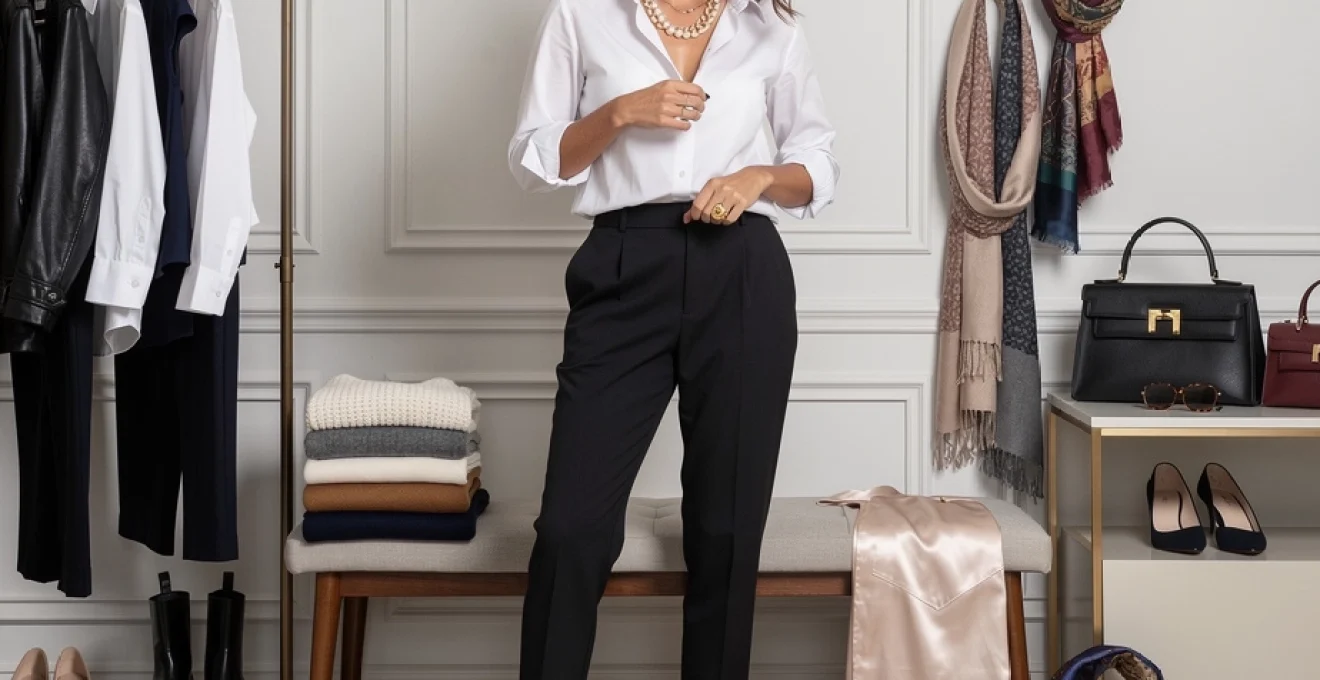
The art of transforming simple, basic garments into sophisticated, elegant ensembles represents one of fashion’s most valuable skills. In an era where sustainable fashion and conscious consumption have become paramount, understanding how to elevate everyday basics through strategic styling choices offers both economic and environmental benefits. Recent data from the Fashion Sustainability Report 2024 indicates that 67% of consumers now prioritise versatility when purchasing clothing, seeking pieces that seamlessly transition across multiple occasions. This shift reflects a broader movement towards intentional wardrobing, where quality and adaptability triumph over quantity.
Mastering the transformation of basic garments requires an understanding of several fundamental principles: fabric quality assessment, colour theory application, proportion manipulation, and strategic accessorising. When these elements combine harmoniously, even the simplest white shirt or pair of black trousers can become the foundation for an outfit worthy of the most sophisticated occasions. The key lies not in possessing an extensive wardrobe, but rather in developing the discernment to recognise quality pieces and the creativity to style them innovatively.
Capsule wardrobe architecture: foundation pieces for elevated styling
Building a wardrobe capable of producing elegant outcomes begins with selecting foundational pieces that possess inherent versatility. The concept of capsule wardrobe architecture revolves around curating a collection of garments that work synergistically, creating countless outfit combinations from a relatively modest number of items. Industry research suggests that individuals who adopt capsule wardrobe principles report 43% higher satisfaction with their daily styling choices whilst reducing clothing expenditure by approximately 35%.
Neutral-toned premium fabrics: cashmere, merino wool, and egyptian cotton
The foundation of any transformable wardrobe rests upon neutral-toned garments crafted from premium natural fibres. Cashmere provides unparalleled softness and thermal regulation, making it ideal for layering pieces such as fine-gauge cardigans and turtleneck jumpers. When selecting cashmere, look for two-ply construction with a thread count exceeding 14-16 gauge for optimal durability without excessive bulk. Merino wool offers exceptional breathability and natural wrinkle resistance, characteristics that make it particularly valuable for basics like crew-neck jumpers and A-line skirts.
Egyptian cotton, distinguished by its extra-long staple fibres, creates garments with superior lustre and longevity. A quality Egyptian cotton shirt can withstand hundreds of washes whilst maintaining its structural integrity and crisp appearance. When building your foundational wardrobe, prioritise these natural fibres in neutral shades: ivory, charcoal, navy, camel, and black. These tones provide maximum combinability whilst conveying understated sophistication that transcends seasonal trends.
Classic silhouettes: the white oxford shirt and tailored black trousers
Few garments possess the transformative potential of a perfectly fitted white Oxford shirt. This wardrobe cornerstone can transition from corporate boardroom to evening cocktail reception through simple styling adjustments. Look for shirts featuring mother-of-pearl buttons, reinforced collar stays, and a slightly longer back hem that ensures the shirt remains tucked throughout the day. The ideal white shirt should fit smoothly across the shoulders without pulling, with sleeves that reach precisely to your wrist bone when arms hang naturally.
Tailored black trousers represent another non-negotiable foundation piece. Whether you select a straight-leg, slightly tapered, or wide-leg silhouette depends upon your body proportions and personal style preferences. However, certain quality indicators remain universal: a properly constructed waistband with internal stays, pocketing that lies flat without creating bulk, and a trouser length that creates a slight break when worn with your preferred heel height. Consider investing in two pairs of black trousers: one in a lightweight wool gabardine for warmer months, and another in a heavier wool crepe for autumn and winter.
Investment footwear: leather loafers, chelsea boots, and court heels
Footwear selections dramatically influence an outfit’s overall sophistication level. Quality leather loafers in black or burgundy provide versatility across countless styling scenarios. Look for full-grain leather uppers, leather sole construction with rubber toplift reinfor
-toplift reinforcement, and cushioned insoles that support extended wear. Chelsea boots, with their clean lines and elastic side panels, bridge the gap between casual and formal; a polished black pair pairs as effortlessly with raw denim as with a tailored midi skirt. Court heels in a mid-height (around 6–8 cm) offer a refined silhouette without sacrificing stability, making them suitable for both office environments and evening engagements.
When transforming basics into elegant outfits, footwear often acts as the decisive element that dictates the overall dress code. Swap minimalist sneakers for leather loafers and an otherwise casual jeans-and-shirt combination instantly reads more elevated. Industry purchasing data from 2023 indicates that consumers who prioritise quality footwear tend to keep their shoes three to five years longer than those who buy fast-fashion alternatives, significantly reducing cost per wear. Treat investment footwear as you would fine accessories: polish regularly, rotate pairs to allow rest days, and use cedar shoe trees to maintain shape and absorb moisture.
Timeless outerwear: the trench coat, camel overcoat, and leather jacket
Timeless outerwear functions as the architectural framework of an outfit, often determining whether a basic ensemble appears casual, business-ready, or evening-appropriate. A classic trench coat in beige or stone, cut just above the knee, delivers instant polish when layered over jeans, knitwear, or a simple shift dress. Look for water-resistant cotton gabardine, sturdy stitching along the storm flaps, and a belt with reinforced eyelets to ensure longevity. By cinching the waist and popping the collar slightly, you can transform an otherwise understated look into one that feels deliberate and styled.
The camel overcoat, particularly in a double-faced wool or wool-cashmere blend, offers another powerful tool for elevating basics. Worn over a monochrome knit set or a T-shirt and tailored trousers, it adds a sense of quiet luxury associated with high-end ready-to-wear collections. Opt for a slightly oversized cut with structured shoulders to create a strong silhouette that flatters most body types. Conversely, a high-quality leather jacket—whether a minimalist biker or a streamlined aviator—injects modern edge into foundational pieces like the white Oxford shirt or a simple black dress. The key is to avoid excessive hardware or trendy embellishments, favouring clean lines that will remain relevant for years.
Textile selection and fabric quality assessment techniques
Elevating basic garments into elegant outfits depends heavily on understanding textile quality and making informed fabric choices. Two T-shirts may appear similar on the hanger, yet wear completely differently after a few months due to disparities in fibre length, weave density, and finishing processes. As consumers become more educated, textile literacy has emerged as a core skill in building a refined yet sustainable wardrobe. A 2024 survey by the Global Fashion Agenda found that 59% of shoppers who understand basic fabric terminology feel more satisfied with their purchases and report fewer impulse buys.
By learning to assess thread count, weave, and fibre type, you minimise the risk of pilling, distortion, and premature fading. This knowledge empowers you to select basics that not only look elegant on day one but maintain that elegance after repeated wear and laundering. Think of fabric assessment as the equivalent of reading nutritional labels: once you know what to look for, you can make choices aligned with your values, budget, and lifestyle. In turn, your simple pieces will drape better, feel more luxurious, and style more seamlessly into elevated looks.
Thread count and weave density: identifying premium cotton and linen
Thread count and weave density serve as crucial indicators of fabric quality, particularly for cotton and linen basics such as shirts, bedding-style blouses, and summer trousers. While high thread count has become a marketing buzzword, more is not always better. For everyday shirts and blouses, a range between 80 and 120 threads per inch typically balances softness, breathability, and durability. Beyond this range, fabrics can become overly delicate, prone to tearing or wrinkling, especially if you lead an active lifestyle.
Weave type also significantly influences how elegant a basic piece appears. Poplin, with its smooth, tightly woven surface, creates a crisp, polished effect ideal for workwear and dress shirts. Oxford weaves, being slightly heavier with a basket-like texture, lend themselves to more casual yet still refined outfits. Linen is often measured less by thread count and more by weight; a medium-weight linen around 150–200 gsm (grams per square metre) provides enough structure to avoid transparency while still offering breathability. When you run your hand over the fabric, it should feel smooth yet substantial, with no obvious irregularities or thin patches.
Natural fibre characteristics: silk charmeuse versus silk habotai
Silk remains synonymous with luxury, but not all silk behaves the same when incorporated into basic pieces. Silk charmeuse, characterised by its high sheen and fluid drape, is often used for slip dresses, camisoles, and blouses designed to transition easily from day to night. Its satin weave places the lustrous side outward, catching the light and immediately elevating even the simplest silhouette. However, this same sheen can highlight pulls and snags, meaning charmeuse requires attentive care and careful storage.
Silk habotai, by contrast, offers a lighter, more matte finish that can feel more approachable for daytime basics. Commonly used as lining in luxury garments, it is increasingly being adopted as a main fabric for minimalist tops and scarves. Habotai’s plain weave results in a fabric that is less prone to snagging and slightly easier to care for than charmeuse, though it may appear less opulent at first glance. When you are deciding between the two for a basic piece, consider the intended function: do you need a subtle underpinning that layers well, or a statement silk blouse that instantly dresses up denim? Understanding these distinctions ensures your silk investments align with both your aesthetic and practical needs.
Sustainable fabric innovations: tencel, organic hemp, and recycled polyester
As conversations around sustainable style intensify, innovative fabrics have emerged that allow you to maintain elegance while reducing environmental impact. Tencel (a branded form of lyocell) is derived from wood pulp using a closed-loop process that recycles water and solvents, making it significantly more eco-conscious than many conventional fibres. Its smooth, almost silky hand-feel and excellent drape make it ideal for wide-leg trousers, fluid shirts, and dresses that move beautifully with the body. When blended with cotton or linen, Tencel can soften the fabric while retaining structure, creating basics that feel elevated yet everyday-appropriate.
Organic hemp has evolved far beyond its former association with coarse, casual wear. Modern processing techniques produce hemp fabrics that are surprisingly soft, highly durable, and naturally resistant to UV rays and bacteria. These qualities make hemp an excellent choice for structured shirts, summer blazers, and utility-inspired dresses that can be styled elegantly with the right accessories. Recycled polyester, when used thoughtfully (for example, in lining, outerwear shells, or performance pieces), helps divert plastic waste from landfills while delivering wrinkle resistance and shape retention. The key is to seek certifications such as GRS (Global Recycled Standard) and to balance synthetics with natural fibres to maintain breathability and comfort.
Colour theory and tonal layering strategies
Even the most luxurious fabrics and refined cuts can appear underwhelming if colour is not used strategically. Colour theory offers a framework for choosing hues that flatter your complexion, coordinate harmoniously, and convey specific moods or levels of formality. When you understand how to work with monochromatic palettes, complementary accents, and seasonal transitions, you can transform basic garments into sophisticated outfits simply by adjusting your colour combinations. In many ways, colour functions like lighting in interior design: subtle changes can dramatically alter the perceived quality of a space—or, in this case, an outfit.
Tonal layering is particularly powerful for elevating essentials because it allows for nuance and depth without overwhelming the eye. By combining multiple shades within the same colour family, you create dimension and visual interest that feels intentionally styled. According to styling analytics from several major retailers, customers who purchase within cohesive colour palettes report finding it easier to mix and match items, effectively increasing the versatility of their wardrobes. This is excellent news if your goal is to maintain a lean collection of basics that still yield abundant elegant looks.
Monochromatic dressing: creating depth with charcoal, navy, and ivory
Monochromatic dressing—building an outfit from varying tones of a single colour—remains one of the most effective strategies for refining basic pieces. When you style charcoal trousers with a soft grey knit and slate overcoat, you create what is essentially a gradient effect, giving the eye multiple points of interest without introducing visual clutter. Navy serves a similar purpose, offering a more approachable alternative to black while still conveying professionalism and poise. Pairing dark indigo denim with a midnight blazer and a dusky blue shirt can feel both modern and timeless.
Ivory and off-white palettes, meanwhile, project understated luxury often associated with resort wear and minimalist high fashion. An ivory knit, cream trousers, and a bone-coloured trench can look remarkably expensive even when each item is a basic. The secret lies in subtle variations in shade and texture, which prevent the look from appearing flat. If you worry about all-light outfits feeling impractical, consider reserving them for events where you control your environment—office days without messy commutes, dinners, or gallery visits—while keeping a darker coat on hand for transit.
Complementary accent integration: burgundy, forest green, and mustard
While neutrals provide the backbone of an elegant wardrobe, complementary accent colours inject personality and avoid monotony. Burgundy, for instance, pairs beautifully with navy, charcoal, and camel, adding richness without overpowering the base outfit. A burgundy belt, knit, or pair of loafers can subtly shift a classic combination into something more distinctive. Forest green offers similar versatility, particularly when layered with earthy tones like taupe, oatmeal, and chocolate brown, creating a grounded yet elevated aesthetic.
Mustard, used sparingly, can act like a highlight in an otherwise neutral palette. Imagine a simple black turtleneck and grey trousers suddenly enlivened by a mustard scarf or crossbody bag—this pop of colour draws the eye and signals confidence. The key to integrating complementary accents into basics is restraint: select one or two accent pieces per outfit rather than scattering bright tones across multiple elements. This approach ensures that your ensembles remain cohesive and refined, even as you explore bolder hues.
Seasonal palette transitions: winter jewel tones to summer pastels
Transforming basics into elegant outfits throughout the year requires a nimble approach to seasonal colour palettes. Winter often favours jewel tones—emerald, sapphire, amethyst—that pair beautifully with heavier fabrics like wool and cashmere. These rich hues elevate simple silhouettes, such as a basic crew-neck jumper or A-line skirt, by tapping into the visual opulence we associate with colder months. Combine them with deep neutrals like charcoal, chocolate, and black for a sophisticated, cocooning effect.
As temperatures rise, many of us instinctively reach for lighter fabrics and brighter colours. Summer pastels—powder blue, blush pink, soft lilac—offer a gentle way to update the same core basics you wore in winter. A white Oxford shirt styled under a pastel blazer, or black trousers paired with a pale mint top, illustrates how minor colour shifts can realign your wardrobe with the season. Think of your basics as the canvas and seasonal colour accents as the changing scenery; by swapping out just a few elements, you maintain visual freshness without constant buying.
Metallic and neutral balancing: rose gold, brushed silver, and bronze accessories
Metallic tones function as a bridge between colour and texture, contributing both shine and sophistication to basic outfits. Rose gold, with its warm undertones, harmonises beautifully with blush, camel, and cream, lending a subtle glow that flatters many skin tones. Brushed silver, by contrast, reads cooler and more architectural, making it ideal for modern minimalist looks built around black, white, and grey basics. Bronze sits between the two, pairing effectively with earthy neutrals and deep jewel tones.
When incorporating metallic accessories, consider them as the punctuation in your outfit’s visual sentence. A single pair of brushed silver earrings with a crisp white shirt and black trousers can be all you need for a business meeting, while layered rose gold necklaces might gently dress up a simple knit dress for dinner. To avoid overcomplicating your look, choose one dominant metal per outfit and let the others play supporting roles, if at all. This disciplined approach keeps your basics looking curated rather than cluttered.
Proportion manipulation and silhouette engineering
Beyond fabric and colour, the architecture of an outfit—its proportions and silhouette—determines how elevated it appears. Proportion manipulation involves adjusting volume, length, and focal points to flatter your body and express your style. When executed thoughtfully, it can make the same basic pieces feel entirely different from one styling to the next. Consider how a simple white T-shirt can look relaxed with wide-leg trousers, sharp with a pencil skirt, or contemporary under an oversized blazer; the variation lies largely in proportion.
Silhouette engineering may sound technical, but in practice it is akin to interior layout design: you are deciding where to place visual weight, where to create movement, and where to emphasise structure. This becomes particularly powerful when you wish to stretch your capsule wardrobe and transform basics into elegant outfits for different settings. By learning a few key techniques, you gain the ability to reconfigure your go-to items without constantly seeking new pieces.
Volume contrast: oversized blazers paired with slim-fit bottoms
Volume contrast leverages the interplay between loose and fitted garments to create dynamic, modern silhouettes. Oversized blazers, for instance, have become a staple of contemporary dressing because they instantly enliven simple bases like T-shirts, tank tops, and fine-gauge knits. When paired with slim-fit bottoms—cigarette trousers, skinny or straight-leg jeans, pencil skirts—the resulting contrast feels intentional and polished rather than sloppy. The blazer acts as an architectural shell, while the streamlined lower half maintains clarity and balance.
To keep this high-low volume mix elegant, pay close attention to blazer details and fabric. Shoulder seams should still align roughly with your natural shoulder, even if the body is cut generously; excessively dropped shoulders can drift into overly casual territory. Medium-weight wool, crepe, or structured cotton twill preserves the blazer’s shape, ensuring it skims rather than collapses over the body. Roll up the sleeves slightly to reveal a glimpse of shirt cuff or wrist jewellery—a simple styling trick that reinforces the idea of deliberate layering.
Vertical line creation: elongation through monochrome and v-necklines
Creating vertical lines is one of the most effective ways to make basic outfits appear both taller and more refined. Monochrome dressing, discussed earlier, naturally produces this effect by avoiding harsh horizontal breaks at the waist or hip. Another straightforward tactic is to incorporate V-necklines, long pendant necklaces, or open cardigans, all of which draw the eye up and down rather than side to side. This visual elongation can be particularly helpful when you wish to wear flat shoes yet maintain a dressy appearance.
Longline blazers, duster coats, and high-waisted trousers also contribute to vertical emphasis. For example, pairing high-rise black trousers with a matching black top and a slightly longer blazer creates an almost column-like silhouette, which reads as sophisticated even when each garment is fundamentally simple. Have you ever noticed how a basic black jumpsuit often looks more formal than its separate counterparts? The continuous vertical line it forms is a key reason. By consciously choosing pieces that reinforce verticality, you make your basics work harder on your behalf.
French tucking and half-tuck techniques for waist definition
Waist definition plays a crucial role in turning relaxed basics into intentionally styled outfits. The French tuck—where you tuck only the front portion of your top into your waistband, leaving the back loose—strikes a balance between structure and ease. It reveals just enough of the waistline to suggest shape while maintaining a laid-back, contemporary feel. This technique works particularly well with slightly oversized shirts, fine knits, and lightweight blouses.
The half-tuck, in which you tuck in one side of your shirt and leave the other draping, introduces asymmetry that can make an outfit appear more editorial. Both techniques help showcase the details of your trousers or skirt, such as pleats, belts, or interesting closures, which might otherwise be hidden. Think of them as quick, non-committal tailoring: no scissors or sewing required, yet the impact on proportion and polish is significant. If you are hesitant, experiment at home in front of a mirror, adjusting the amount of fabric tucked until the silhouette feels balanced for your body shape.
Accessory stratification for sophisticated finishing
Accessories often serve as the defining element that transforms a basic look from ordinary to elegant. Stratification—layering and combining accessories at varying scales—allows you to fine-tune the formality and personality of your outfit. A simple jeans-and-shirt base can read minimalist with a single watch and delicate studs, or dramatically elevated with a structured bag, bold earrings, and a silk scarf. In this way, accessories function much like the final brushstrokes on a painting: subtle adjustments here can utterly change the overall impression.
Strategic accessorising also supports a more sustainable approach to style. By rotating jewellery, bags, scarves, and eyewear, you can repeatedly refresh your core basics without purchasing new clothing. According to a 2023 consumer behaviour study, people who invest in high-quality accessories tend to extend the perceived novelty of their wardrobes by up to 18 months. The right finishing touches allow you to express mood, occasion, and individuality while keeping your foundational garments consistent.
Statement jewellery: chunky gold chains, pearl strands, and signet rings
Statement jewellery provides one of the fastest ways to elevate a basic outfit. Chunky gold chains, for instance, lend a sense of contemporary luxury when worn over a simple black turtleneck or white T-shirt. The solid weight and substantial links act almost like a built-in embellishment, eliminating the need for additional adornment. Pearl strands—whether classic single rows or modern baroque variations—introduce timeless elegance, especially when layered over crisp shirting or silk camisoles.
Signet rings bring a subtle, almost heritage-inspired element to your look. Worn alone on the little finger or stacked with slim bands, they suggest refinement without shouting for attention. When selecting statement pieces, consider how they interact with your existing wardrobe: do you prefer warm gold tones that complement camel and cream, or cooler silver that matches charcoal and navy? By curating a small collection aligned with your colour palette, you ensure that even the simplest basics can be transformed with a quick change of jewellery.
Structured handbags: the hermès birkin, mulberry bayswater, and structured totes
Handbags not only serve functional purposes but also play a pivotal role in signalling formality and taste. Iconic designs like the Hermès Birkin or Mulberry Bayswater are often referenced as benchmarks of structured elegance, but you do not need these exact models to capture the same aesthetic. Any well-constructed tote or top-handle bag with clean lines, quality leather, and minimal hardware can confer a similar impression of polish. When paired with jeans and a knit, such bags elevate the entire ensemble, making it feel office-ready or lunch-meeting appropriate.
What distinguishes a structured handbag from a casual one? Look for a defined base, reinforced corners, and handles that stand upright rather than collapsing. These architectural details ensure the bag maintains its shape over time, much like good tailoring preserves the integrity of a blazer. Neutral colours—black, tan, chocolate, or deep burgundy—maximise versatility, allowing you to carry the same bag with a wide range of basics. Consider your handbag the anchor of your outfit: sturdy, reliable, and quietly luxurious.
Scarf styling methods: the parisian knot, belted wrap, and head scarf techniques
Scarves offer extraordinary versatility in elevating basic outfits, acting as both functional layers and decorative accents. The Parisian knot, where you fold a rectangular scarf in half, loop it around your neck, and pull the ends through the fold, creates a neat and polished frame for the face. This technique works beautifully with trench coats, crew-neck sweaters, and tailored blazers, adding a touch of European sophistication. A belted wrap, using a larger blanket scarf draped over the shoulders and cinched at the waist with a belt, can transform a simple knit-and-trouser combination into a statement look.
Head scarf styling introduces a playful yet chic dimension, particularly effective on days when your hairstyle needs a quick refresh. Tied as a turban, bandana, or headband, a silk scarf can infuse colour and pattern into an otherwise neutral outfit. Have you noticed how a basic white shirt and jeans suddenly feel editorial when paired with a patterned head scarf and cat-eye sunglasses? This is accessory stratification at work. Start with one or two high-quality scarves in colours that complement your wardrobe, and experiment with different tying methods in front of a mirror.
Eyewear as architectural elements: tortoiseshell frames and oversized sunglasses
Eyewear, whether prescription glasses or sunglasses, serves as both a practical tool and a powerful styling device. Tortoiseshell frames—typically a mix of brown, amber, and black tones—offer a warm, versatile option that flatters many skin tones and coordinates well with both cool and warm outfits. Their mottled pattern adds subtle visual interest to minimal looks, turning a basic jeans-and-shirt combination into something more considered. Oversized sunglasses, on the other hand, introduce a glamorous, slightly mysterious edge reminiscent of old Hollywood icons.
When selecting eyewear to complement elegant basics, pay attention to frame shape, proportion, and finish. Angular frames can sharpen softer features and add structure to flowing outfits, while round or oval shapes may soften more tailored looks. Matte finishes often read more understated and professional, whereas high-shine acetate or metal can skew dressier. Treat your eyewear as you would a piece of jewellery positioned near your face; it should harmonise with your overall aesthetic and enhance, rather than compete with, the simplicity of your basics.
Garment care and longevity preservation methods
Even the best-curated wardrobe of basics will lose its elegance if items are not properly maintained. Garment care is the often-overlooked final step in transforming basics into elegant outfits, ensuring that fabrics retain their structure, colour, and finish over time. Think of it as preventive skincare for your clothes: consistent, gentle upkeep yields better long-term results than sporadic, intensive interventions. According to a 2024 textile care report, extending the life of clothing by just nine months can reduce its environmental footprint by up to 30%.
Developing a simple but effective care routine allows your investment pieces—cashmere knitwear, wool coats, leather shoes—to age gracefully rather than deteriorate quickly. Proper pressing or steaming, thoughtful storage, and swift attention to stains all contribute to a wardrobe that looks polished even on the most casual days. In turn, you feel more confident building elegant outfits from your basics because each item appears well-kept and considered.
Professional pressing versus home steaming: equipment and techniques
Wrinkles can instantly undermine the sophistication of an otherwise well-planned outfit. Professional pressing, especially for complex garments like tailored jackets, pleated skirts, and formal trousers, offers crisp results that are difficult to replicate at home. Dry cleaners use industrial steam and pressing equipment to shape garments, reinforcing creases where needed and smoothing out stubborn wrinkles. However, frequent professional cleaning can be harsh on delicate fabrics and should be reserved for special-occasion pieces or deep-refresh moments.
Home steaming provides a gentler alternative for day-to-day maintenance, particularly suitable for knits, silks, and blended fabrics. A high-quality handheld steamer allows you to remove wrinkles quickly without flattening the texture or adding unwanted shine. Always steam from a slight distance and test on an inconspicuous area first, especially with delicate materials. For cotton shirts and linen pieces where a sharper finish is desired, combining light ironing with plenty of steam—using a pressing cloth to protect the fabric—strikes a balance between professional results and fabric longevity.
Seasonal storage solutions: cedar blocks, breathable garment bags, and climate control
Storing garments correctly between seasons protects their fibres and preserves their shape, directly impacting how elegant they appear when you bring them back into rotation. Cedar blocks or sachets, placed in drawers and wardrobe corners, naturally repel moths and other fabric-damaging insects without the harsh smell of traditional mothballs. They also absorb excess moisture, helping to prevent mildew, which can be particularly important in humid climates. Refresh cedar periodically by lightly sanding the surface to restore its scent and effectiveness.
Breathable garment bags made from cotton or non-woven materials shield coats, suits, and special dresses from dust while allowing air circulation. Avoid plastic covers for long-term storage, as they can trap moisture and contribute to yellowing or mould growth. Where possible, maintain a relatively stable temperature and humidity level in your storage area; drastic fluctuations can cause fibres to expand and contract, weakening them over time. Padded or shaped hangers help jackets, coats, and knitwear retain their structure, while folded storage is preferable for heavy knits that might stretch if hung.
Stain removal protocols for delicate fabrics and leather goods
Swift and appropriate stain treatment often determines whether a favourite basic remains in your wardrobe or ends up discarded. For most fabrics, gently blotting (not rubbing) the stain with a clean, absorbent cloth is the safest first step, preventing the spill from spreading deeper into the fibres. Cold water is usually preferable for protein-based stains like blood or dairy, while lukewarm water and a mild detergent may work better on oil-based marks. Always test any cleaning solution on a hidden seam before applying it more broadly, especially with silks and wools.
Delicate fabrics such as silk, cashmere, and fine wool often benefit from professional cleaning for complex stains, particularly if they involve oil, wine, or dye transfer. Leather goods require specialised care: wipe surface dirt with a slightly damp cloth, then allow the item to dry away from direct heat before applying a leather conditioner. For oil or grease stains on leather, a small amount of talc or cornstarch can sometimes help draw out the residue when left to sit overnight and then gently brushed away. By integrating thoughtful stain removal into your routine, you safeguard the longevity and appearance of your basics, ensuring they continue to form the backbone of elegant outfits for years to come.