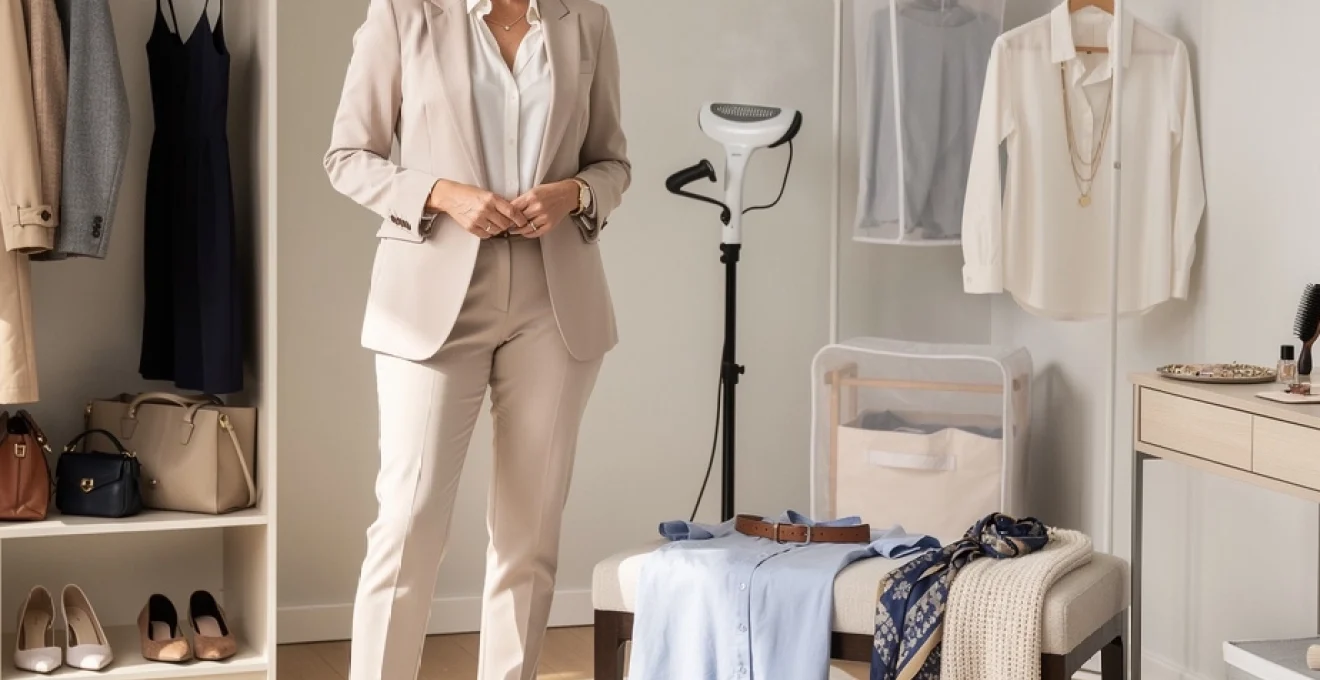
Achieving a polished appearance shouldn’t feel like solving a complex equation each morning. The art of looking effortlessly put-together lies in mastering strategic choices that create maximum impact with minimal effort. Whether you’re rushing to catch a morning meeting or preparing for an evening event, understanding the fundamental principles of polished styling transforms daily dressing from a stressful ordeal into an intuitive process.
Modern life demands versatility, efficiency, and sophistication in equal measure. The most successful approach to achieving consistently polished looks centres on building intelligent systems rather than relying on spontaneous inspiration. By understanding how to construct a functional wardrobe foundation, streamline morning routines, and implement strategic styling techniques, you create a reliable framework for looking professionally polished regardless of circumstances.
This comprehensive approach to daily styling eliminates decision fatigue whilst ensuring you always present your best self. The techniques outlined here have been refined through years of practical application, offering proven strategies that work across various lifestyles, body types, and professional environments.
Capsule wardrobe construction for maximum versatility
Building a capsule wardrobe represents the cornerstone of effortless daily styling. This strategic approach prioritises quality over quantity, creating a curated collection of pieces that work harmoniously together. The goal isn’t to own fewer items for the sake of minimalism, but rather to ensure every piece serves multiple purposes whilst maintaining sophisticated appeal.
Essential foundation pieces selection strategy
The foundation of any polished wardrobe begins with selecting versatile anchor pieces that form the backbone of countless outfit combinations. These essential items should seamlessly transition between casual and professional settings whilst maintaining their structural integrity and visual appeal throughout extended wear.
A well-fitted white button-down shirt stands as perhaps the most valuable foundation piece, offering endless styling possibilities from boardroom presentations to weekend brunches. Similarly, a perfectly tailored blazer in navy or charcoal provides instant sophistication to any ensemble. The key lies in investing in pieces that enhance your silhouette whilst offering maximum styling flexibility.
Dark wash jeans, a classic pencil skirt, and well-fitted trousers complete the foundation troika. These pieces should fit impeccably without requiring constant adjustments throughout the day. When foundation pieces fit properly, they automatically create a more polished appearance regardless of how they’re styled.
Colour palette coordination using the 70-20-10 rule
Professional styling relies heavily on colour coordination principles that create visual harmony whilst allowing for personal expression. The 70-20-10 rule provides a foolproof framework for building cohesive wardrobes that always look intentionally curated rather than haphazardly assembled.
Seventy percent of your wardrobe should consist of neutral colours—think navy, black, grey, cream, and camel. These colours form the reliable backbone that ensures pieces coordinate effortlessly. Twenty percent should comprise complementary colours that add depth whilst remaining sophisticated, such as burgundy, forest green, or dusty pink. The final ten percent allows for accent colours or patterns that inject personality without overwhelming your overall aesthetic.
The most elegantly dressed individuals understand that true sophistication lies not in following every trend, but in mastering the art of restraint and intentional colour coordination.
This approach eliminates morning guesswork whilst ensuring you always appear thoughtfully dressed. When travelling, this system proves particularly valuable as every piece coordinates with multiple others, maximising outfit possibilities whilst minimising luggage requirements.
Quality fabric investment priorities for longevity
Fabric quality significantly impacts both immediate appearance and long-term wardrobe value. Natural fibres typically offer superior drape, breathability, and aging characteristics compared to synthetic alternatives. Understanding which fabrics deserve premium investment ensures your wardrobe maintains its polished appearance over time.
Wool remains unparalleled for tailored pieces, offering excellent structure whilst resisting wrinkles and odours. Quality cotton provides versatility for everything from casual shirts to structured blazers. Silk adds luxurious polish to blouses and accessories, though it requires careful maintenance. These natural fibres not only look more expensive but actually improve with proper care, developing character whilst maintaining their structural integrity.
When budget constraints require compromise, prioritise fabric quality
When budget constraints require compromise, prioritise fabric quality in the pieces you wear most frequently and those that define your professional image. For instance, invest in a high-quality blazer, trousers and everyday shoes before splurging on occasional evening wear. You can then allow more affordable blends for trend-led items or rarely worn statement pieces. This strategic approach ensures your core wardrobe always looks expensive and well-maintained, even if every single item is not a luxury purchase.
Pay attention to fabric composition labels and hand-feel. A small percentage of elastane in cotton or wool can add comfort without compromising structure, whereas high percentages of cheap synthetics often lead to pilling, shine and premature wear. Over time, you will develop an instinct for fabrics that drape well, resist wrinkles and photograph beautifully under different lighting conditions—critical factors for a polished daily appearance.
Seasonal transition adaptability techniques
One of the hallmarks of an intelligently designed capsule wardrobe is its ability to transition seamlessly between seasons. Rather than entirely overhauling your closet four times a year, focus on layering pieces that extend the life of your favourites. Lightweight knits, fine turtlenecks, trench coats and tailored wool coats act as connectors between your summer and winter wardrobes, allowing you to adapt to changing temperatures without sacrificing a polished look.
Think of seasonal adaptability as building “capsule bridges.” A silk camisole can be worn alone in summer, then layered under a blazer or cardigan in autumn. Cropped trousers pair with loafers in spring and ankle boots in winter. By planning these bridges in advance, you avoid the disjointed feeling of having separate wardrobes that do not interact. This also reduces storage needs and simplifies packing for travel across climates.
Colour also plays a role in seasonal transition. You can continue wearing lighter shades like ivory or soft grey year-round by grounding them with seasonally appropriate accents—burgundy and camel in autumn, navy and charcoal in winter, olive and tan in spring. This intentional blending ensures your outfits always feel current to the season whilst maintaining the continuity of your personal style.
Time-efficient morning styling routines
Even the most carefully curated capsule wardrobe loses impact if your morning routine is chaotic. A polished daily look depends on time-efficient systems that help you move from bed to door with minimal decision fatigue. Instead of relying on last-minute inspiration, we can create simple frameworks that guide outfit selection, grooming and contingency plans when things go wrong. The result is a consistent, professional image—even on the busiest days.
5-minute quick change formulas for professional settings
On mornings when you oversleep or your initial outfit fails, having predefined 5-minute outfit formulas is invaluable. These formulas function like style algorithms: a small set of interchangeable pieces that you know work together, fit well and align with your dress code. For example, your go-to formula for the office might be “tailored trousers + neutral knit or shirt + structured blazer + classic shoes.” You can rotate colours and fabrics within that structure without sacrificing polish.
Consider creating at least two quick-change formulas: one for formal professional settings and one for smart casual environments. Hang these formula pieces together or mark them within your wardrobe so you can assemble an outfit without overthinking. Does this remove spontaneity? A little—but in exchange, you gain reliability and calm on mornings when time is scarce. You can always experiment on days when your schedule is lighter.
To make these formulas truly time-efficient, keep associated accessories nearby. A slim leather belt, a watch and a pair of stud earrings or a simple necklace can live in a small tray by your mirror. In under five minutes, you move from “not ready at all” to “meeting-appropriate and confident,” which is the essence of effortless styling.
Pre-planning outfit coordination systems
Pre-planning outfits is the wardrobe equivalent of meal prepping: a small investment of time that pays huge dividends every day. Instead of starting from zero each morning, you can rely on a weekly outfit plan that accounts for meetings, events, travel and weather forecasts. Sunday evenings work well for many, but any consistent time will help solidify the habit.
A simple method is to create a “weekly rail” in your wardrobe or designate a section of hanging space for the next five working days. Place complete outfits there, including key accessories. Alternatively, you can photograph outfits on your phone and create a dedicated album—effectively building a personal lookbook. This digital system is particularly useful if you travel often and need quick reminders of proven combinations.
If full-week planning feels overwhelming at first, start with planning just the next day’s outfit the night before. Lay out clothing, undergarments, shoes and jewellery. Ask yourself: “Would I feel comfortable bumping into a client or manager in this outfit tomorrow?” If the answer is yes, you are on the right track. Over time, this simple system drastically reduces stress and ensures more days start with intention rather than panic.
Streamlined grooming sequence optimisation
A polished look is not only about clothes; it is the sum of grooming, posture and demeanour. To keep grooming time-efficient, treat it as a sequence to optimise rather than a series of disconnected tasks. Begin with any steps that require “setting” time—such as skincare absorption or hair air-drying—and perform other tasks while you wait. This batching approach means you are styling smarter, not longer.
Many professionals find success with a three-step daily grooming framework: clean, refine, enhance. “Clean” includes showering, cleansing your face and brushing your teeth. “Refine” covers skincare, basic hair styling and nail care maintenance. “Enhance” is where you add minimal makeup, fragrance and small details like lip balm or a subtle lip colour. When each step is clearly defined, you can adjust the depth depending on your schedule without skipping essentials.
Ask yourself which two or three grooming elements make the biggest difference to your polished daily appearance. For some, it is blow-dried hair and defined brows; for others, a neat shave and moisturised skin. Prioritise those, and simplify or eliminate low-impact steps for weekday mornings. This clarity prevents you from spending ten minutes on something that contributes little to your overall impression.
Emergency style recovery protocols
Even the best-laid plans can be derailed by spilled coffee, sudden weather changes or a last-minute video call. Having an emergency style recovery protocol means you can restore a polished look quickly when something goes wrong. Think of it as your personal “style first-aid kit.” What does that include for you?
At home, keep a compact kit near your wardrobe or front door containing a handheld steamer, lint roller, stain-removal pen, spare tights or socks, safety pins and fashion tape. In your work bag, a mini version might include a packable comb, blotting papers, a neutral lip product and a small vial of perfume or deodorant. These tools allow you to correct small issues before they escalate into all-day annoyances.
It is also wise to identify one “backup outfit” that can be thrown on if your original choice fails—perhaps a dress or jumpsuit that always fits and feels appropriate. Hang it where it is easy to grab. This single step can transform a potential style crisis into a minor inconvenience, helping you maintain a calm, composed presence even when the morning has been anything but calm.
Professional silhouette refinement techniques
Silhouette is the quiet architect of a polished outfit. Even with beautiful fabrics and colours, an unflattering or unconsidered shape can make a look appear unfinished. Refining your professional silhouette is less about chasing trends and more about understanding balance, proportion and structure. When these elements work together, you look composed from every angle—whether you are seated in a meeting or walking into a presentation.
Start by identifying the general silhouette that makes you feel most confident. Do you prefer a defined waist and softer skirt, or a straighter, more androgynous line? Once you know your preference, you can use simple rules of balance: if your top half is voluminous (for example, a relaxed blouse), keep the bottom half neater with tapered trousers or a pencil skirt. Conversely, if you opt for wide-leg trousers, pair them with a more fitted top or a tucked-in shirt to create structure.
Tailoring plays a major role in silhouette refinement. A small adjustment at the shoulder, waist or hem can shift a garment from “acceptable” to “impeccable.” If you find an item that nearly works but not quite, ask a tailor whether a minor tweak could improve its line. Think of tailoring as sculpting fabric to mirror your best posture. Over time, you will notice that clothes hang better, move more fluidly and photograph more flatteringly—a significant advantage in today’s video-heavy workplace.
Strategic accessory layering for visual impact
Accessories are the finishing layer that transforms a simple outfit into a polished daily look. When used strategically, they add depth, personality and visual focus without overwhelming the overall composition. Rather than piling on pieces at random, we can approach accessory layering the way a stylist would: deciding where we want the eye to travel and how to support the main lines of the silhouette.
The aim is not to wear more accessories, but to choose a few with intention. Consider accessories in three categories: jewellery, scarves and bags/shoes. Each category has the power to shift an outfit from casual to professional, from daytime to evening or from understated to expressive. The key is to let one element take the lead while the others provide subtle support.
Statement jewellery placement psychology
The most effective jewellery does more than sparkle; it directs attention. Where you place a statement piece can subtly influence how others perceive and remember you. For example, earrings and necklaces draw the eye toward your face, making them ideal for presentations, interviews or video calls where facial expression matters. A statement ring or bracelet, meanwhile, highlights your hands, reinforcing gestures during conversations or when you are writing and typing.
Ask yourself what you want people to notice first. If you would like to emphasise your professionalism and composure, opt for clean, geometric pieces near the face—think small hoops, pearl studs or a fine pendant. For more creative or relaxed environments, you might choose bolder designs or layered necklaces to express personality. The psychological impact is subtle but real: carefully chosen jewellery communicates effort and self-awareness without saying a word.
As a guideline, when one piece is doing the talking, let the others whisper. A strong necklace pairs best with understated earrings; impactful earrings are often most effective with a bare neck or simple chain. This approach prevents visual clutter and reinforces the polished, effortless aesthetic you are aiming for in your daily outfits.
Scarf styling methodology for face shape enhancement
Scarves are remarkably versatile tools for refining both your outfit and how your features are framed. The way a scarf is tied can soften angles, elongate the neck or add structure around the shoulders. Think of them as fabric frames for your face. When chosen and styled intentionally, a scarf becomes a subtle form of visual tailoring.
If you have a rounder face and prefer a lengthening effect, opt for scarves worn in a loose drape or elongated knot, allowing the ends to fall vertically. This creates a visual line that draws the eye downwards. For longer or narrower faces, a shorter, fuller knot around the neck or a softly wrapped style adds balance and width. Experiment in front of the mirror: slight adjustments in knot height or tightness can noticeably alter the overall impression.
Fabric weight also matters. Finer silks and modal blends create elegant knots and sit neatly under a blazer, ideal for professional settings. Heavier wool or cashmere scarves add volume and are better suited to outerwear. View your scarf as both a functional layer and a design element that can highlight your best features while adding colour or texture to a neutral base outfit.
Handbag selection based on body proportions
The right handbag is more than a practical necessity; it is a structural component of your outfit. Its shape, size and where it sits on your body can either complement or disrupt your silhouette. As a simple analogy, think of a handbag as punctuation in a sentence: well-placed, it clarifies and completes your look; misplaced, it distracts from the message.
When choosing everyday bags, consider both your height and where the bag will rest. Crossbody straps that hit at your widest point can unintentionally emphasise that area, whereas adjusting the strap to sit slightly higher or lower often creates a more balanced line. Petite individuals generally look more proportionate with medium or smaller bags, while taller frames can comfortably accommodate larger tote styles without being overwhelmed.
For a polished daily appearance, prioritise structured silhouettes over slouchy shapes. A bag with defined lines instantly sharpens even casual outfits. Neutral colours like black, navy, taupe or cognac remain the most versatile, especially if you coordinate metal hardware with your jewellery tones. By aligning bag style and proportion with your body and wardrobe, you ensure this everyday accessory quietly supports your overall aesthetic rather than competing with it.
Footwear transition strategies throughout the day
Footwear can make or break a polished look, particularly when your day spans multiple settings—commuting, office hours, after-work events. Instead of relying on a single pair of shoes from morning to night, consider a transition strategy that balances comfort and style. This does not necessarily mean carrying an entire shoe wardrobe with you, but rather choosing smart combinations.
One effective approach is to commute in comfortable, supportive shoes—such as clean leather trainers or low-heeled boots—and change into more refined footwear at your desk. Keep a pair of classic pumps, loafers or sleek flats at the office, treating them as part of your on-site wardrobe. This not only protects your dress shoes from excessive wear but also ensures you are always prepared for unexpected meetings or client visits.
For days that move from desk to dinner, opt for a mid-heel or block-heel shoe that offers elevation without sacrificing stability. Ask yourself: “Could I comfortably stand in these for an hour if required?” If the answer is no, they are unlikely to support a genuinely effortless, polished routine. Over time, building a small rotation of reliable, well-maintained shoes simplifies daily decisions and maintains a consistently refined impression.
Fabric care and garment maintenance systems
A truly polished wardrobe is sustained not only by what you buy, but by how you care for it. Thoughtful maintenance extends the life of your garments, preserves colour and texture, and ensures pieces always look as if they were chosen today, not years ago. Similar to financial investing, small, regular care habits compound over time to produce impressive returns in both appearance and cost-per-wear.
Developing simple fabric care systems—rather than treating each item as a separate problem—saves time and maintains consistency. This includes setting aside a regular moment each week for steaming, repairing loose buttons, and reviewing items that may need professional cleaning or alterations. By integrating care into your routine, you prevent minor issues from becoming reasons an otherwise excellent garment is abandoned.
Steam treatment techniques for wrinkle prevention
Wrinkled clothing can undermine even the most carefully chosen outfit, which is why steamers have become a quiet hero of polished daily dressing. Unlike traditional ironing, steaming is gentler on fabrics and generally faster, especially for delicate pieces or garments with complex construction. A high-quality handheld steamer can refresh a shirt, dress or blazer in minutes, smoothing creases and reviving the drape.
For best results, hang garments on a sturdy hanger and steam from the inside out, allowing gravity to assist in pulling out wrinkles. Move the steamer in slow, downward strokes and avoid pressing the head directly onto the fabric, particularly with silk or wool. If a piece is especially creased, lightly mist it with clean water before steaming to enhance the effect. Always check the care label first; some fabrics respond better to low heat or brief bursts of steam.
Integrating steaming into your morning or evening routine can be as simple as allocating five minutes to refresh the next day’s outfit. Not only does this prevent panic when you discover creases right before leaving the house, but it also helps your clothes maintain their original structure and finish, contributing significantly to a consistently polished appearance.
Proper storage solutions for shape retention
How you store your garments between wears is just as important as how you clean them. Proper storage supports shape retention, prevents unnecessary wrinkling and protects fabrics from damage. Think of your wardrobe as a mini archive: items should be easy to see, easy to access and stored in ways that respect their construction.
Use sturdy, appropriately shaped hangers for jackets, blazers and coats to preserve shoulder structure. Delicate knitwear, however, should be folded to avoid stretching at the shoulders; stacking them too high can cause creasing, so aim for smaller, tidy piles. Allow a little breathing space between hanging garments—an overcrowded rail leads to wrinkles and makes it harder to see what you own, which in turn encourages repeated wear of the same few items.
Seasonal pieces that are not in current rotation benefit from breathable garment bags or storage boxes with cedar blocks or lavender sachets to deter moths. Avoid plastic covers for long-term storage, as they can trap moisture and lead to mildew. By treating storage as part of your styling system, you ensure that each item emerges from your wardrobe ready to wear, rather than requiring emergency rescue.
Stain management protocols for emergency situations
Spills and stains are unavoidable in daily life, but they do not have to derail your polished appearance. The difference often lies in how quickly and correctly you respond. A basic stain management protocol can save garments that might otherwise be written off and keep you looking composed throughout the day. Consider it another layer of your “style emergency plan.”
The first rule is simple: act fast. Blot—never rub—fresh stains with a clean cloth or paper towel to absorb as much as possible before it sets. For water-based stains like coffee or juice, gently dabbing with cool water often helps dilute and lift the mark. Keep a small stain-removal pen or wipes in your bag or desk drawer for on-the-go incidents; these can significantly reduce visible damage until you can treat the item properly at home.
Once you are able to address the stain in detail, refer to the garment’s care label and test any cleaning product on an inconspicuous area first. Protein-based stains such as milk or sweat usually respond better to cold water and enzyme-based detergents, whereas oil-based stains benefit from a small amount of dish soap before laundering. When in doubt—especially with silk, wool or structured tailoring—consult a reputable dry cleaner rather than experimenting. Establishing these simple protocols ensures that unexpected mishaps disrupt your day as little as possible and that your wardrobe continues to look refined, wear after wear.