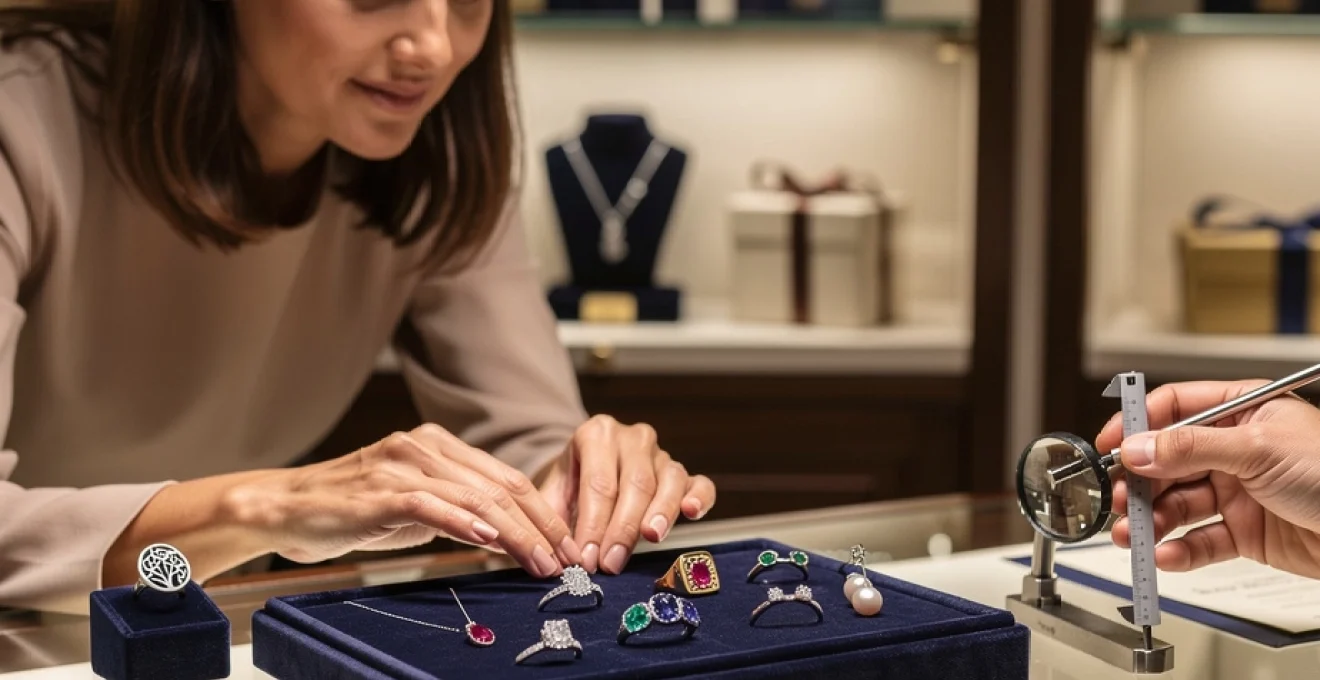
Selecting the perfect piece of jewellery as a gift transcends mere material exchange; it represents a profound expression of affection, appreciation, and understanding between individuals. The art of gifting jewellery requires careful consideration of personal style, occasion significance, and lasting value that extends far beyond the initial moment of presentation. Modern consumers increasingly seek pieces that combine aesthetic appeal with meaningful symbolism, creating treasured items that recipients will cherish for years to come.
Contemporary jewellery gift-giving has evolved to encompass a sophisticated understanding of quality, craftsmanship, and ethical sourcing practices. Whether selecting an engagement ring, anniversary present, or celebratory token, the thoughtful gift-giver must navigate complex considerations including gemstone authenticity, metal purity, and cultural significance. This comprehensive approach ensures that each piece not only delights the recipient but also represents a sound investment in beauty and sentiment.
Understanding gemstone classifications and metal compositions for gift selection
The foundation of exceptional jewellery gift selection begins with a thorough understanding of materials and their inherent qualities. Gemstones and precious metals form the backbone of any meaningful jewellery piece, and recognising their characteristics enables informed purchasing decisions that reflect both quality and value. Modern jewellery markets offer an extensive array of options, from traditional precious stones to contemporary alternatives that provide exceptional beauty at accessible price points.
Professional jewellers classify gemstones based on rarity, hardness, and optical properties, creating hierarchies that directly influence both pricing and durability. Understanding these classifications empowers gift-givers to select pieces that align with their budget whilst maintaining exceptional quality standards. The interplay between gemstone selection and metal composition creates unique aesthetic combinations that can be tailored to individual preferences and skin tones.
Precious versus Semi-Precious stone quality assessment
The distinction between precious and semi-precious stones fundamentally impacts both the monetary investment and symbolic weight of jewellery gifts. Precious stones—diamonds, rubies, sapphires, and emeralds—command premium prices due to their exceptional hardness, brilliance, and historical significance in fine jewellery. These stones typically undergo rigorous grading processes that evaluate clarity, colour, cut, and carat weight, providing standardised quality measurements for informed purchasing decisions.
Semi-precious stones offer remarkable diversity and beauty whilst remaining accessible to broader budgets. Gemstones such as amethyst, citrine, turquoise, and garnet provide vibrant colour options and meaningful symbolism that can create deeply personal gifts. Quality assessment for semi-precious stones focuses on colour saturation, clarity, and proper cutting techniques that maximise brilliance and visual appeal. Many contemporary designers favour these stones for their versatility and the creative freedom they provide in unique piece creation.
Carat weight considerations for diamond and coloured stone pieces
Carat weight represents one of the most significant factors influencing gemstone pricing and visual impact, yet understanding its practical implications requires nuanced consideration beyond simple numerical values. A diamond’s carat weight affects its presence and brilliance, but the relationship between size and beauty is not always linear. Smaller, higher-quality stones often provide superior visual appeal compared to larger stones with compromised clarity or colour grades.
For coloured gemstones, carat weight considerations must account for varying densities across different mineral types. Sapphires and rubies are denser than diamonds, meaning a one-carat coloured stone will appear smaller than a one-carat diamond. Gift-givers should prioritise overall visual impact and quality rather than focusing solely on carat weight, considering how the stone will appear when worn and how it complements the recipient’s existing jewellery collection.
Hallmarking standards for sterling silver and gold purity verification
Hallmarking systems provide essential quality assurance for precious metal jewellery, offering standardised verification of purity levels that protect consumers and maintain industry integrity. Sterling silver pieces should bear the 925 hallmark, indicating 92.5% pure silver content, whilst gold jewellery displays karat markings such as 14K, 18K, or 24K to denote purity levels. These markings serve as guarantees of metal content
and are often accompanied by an assay office mark that confirms independent testing. When selecting a jewellery gift, especially online, you should look for clear hallmark photographs and detailed descriptions that specify metal type, purity, and plating thickness where relevant. This simple verification step helps you avoid low-quality alloys that may tarnish quickly or cause skin irritation, and ensures the piece maintains both its beauty and resale value over time.
Beyond purity numbers, different alloys of gold and silver offer distinct visual and practical characteristics. White gold is typically rhodium-plated to achieve a bright, cool tone, while rose gold owes its warm blush colour to added copper content. Sterling silver provides a luminous, versatile finish that suits minimalist jewellery gifts and more ornate designs alike, though it may require occasional polishing. Understanding these nuances allows you to match the metal not only to the recipient’s skin tone and style but also to their lifestyle and maintenance preferences.
Conflict-free certification requirements for ethical gemstone sourcing
Ethical sourcing has become a central consideration for many people choosing jewellery as a thoughtful gift. Conflict-free certification aims to ensure that diamonds and coloured gemstones are not mined or traded to finance armed conflict or human rights abuses. Reputable jewellers increasingly provide documentation such as adherence to the Kimberley Process for diamonds or independent ethical sourcing policies for coloured stones, giving you greater transparency over a piece’s origin.
When assessing conflict-free jewellery, you can look for explicit references to responsible sourcing, traceable supply chains, and, where possible, third-party certifications. Some brands now offer fully traceable gemstones, documenting each stage from mine to workshop, while others specialise in lab-grown diamonds that avoid traditional mining altogether. Asking a retailer about their sourcing practices not only helps you make an informed choice but also signals that ethical jewellery gifting is a priority for modern consumers.
Personalisation techniques through birthstones and symbolic motifs
Personalisation transforms an elegant piece of jewellery into something uniquely meaningful. Rather than selecting a generic design, you can incorporate elements that reflect the recipient’s story—birthstones, initials, engravings, or symbols that resonate with their values. This approach turns jewellery gifting into a thoughtful conversation between design and identity, allowing even minimalist jewellery pieces to carry deep emotional weight.
Subtle personal touches often age better than overtly trendy details, ensuring that the piece feels relevant and wearable year after year. Whether you opt for a delicate pendant, a signet ring, or a charm bracelet, integrating personal motifs helps create a sense of ownership and connection. It also makes jewellery an ideal gift for milestones such as graduations, anniversaries, and new beginnings, where symbolism matters as much as style.
Monthly birthstone traditions from garnet to tanzanite selection
Birthstones provide one of the most intuitive ways to personalise jewellery, drawing on a long tradition that links each month of the year to a specific gem. From garnet for January to tanzanite for December, these stones are often associated with particular qualities—protection, wisdom, loyalty, or renewal—which can add an extra layer of meaning to your jewellery gift. Choosing a birthstone necklace or ring shows that you have considered not just the recipient’s style, but also their place in the calendar and in your life.
Because many months now have alternative or modern birthstones, you also have flexibility to accommodate different colour preferences and budgets. For example, April’s traditional diamond can be replaced with white topaz or moissanite for a more accessible yet sparkling option, while June’s pearl can be interpreted through classic strands, modern studs, or minimalist pearl drops. When selecting birthstone jewellery as a gift, think about how the gemstone’s colour will complement the recipient’s wardrobe and existing pieces, ensuring it becomes part of their regular rotation rather than an occasional accessory.
Engraving methods for signet rings and pendant customisation
Engraving is one of the most enduring personalisation techniques in fine jewellery, particularly for signet rings and pendant necklaces. Traditional hand engraving involves a skilled artisan carving initials, dates, or crests into the metal surface, resulting in crisp, characterful lines that catch the light. Modern laser engraving, by contrast, offers exceptional precision and allows for more intricate fonts, symbols, or even short messages to be applied with remarkable consistency.
When you commission an engraved jewellery gift, it is worth considering both the visible and hidden surfaces of the piece. A signet ring might carry a bold monogram on its face and a discreet date inside the band, while a pendant could feature a meaningful quote on the reverse that only the wearer knows about. Just as a book inscription turns a volume into a keepsake, thoughtful engraving can turn a simple piece of metal into a lasting, wearable memory of a particular moment or relationship.
Celtic knot and tree of life symbolism in contemporary designs
Symbolic motifs such as the Celtic knot and the Tree of Life have found renewed popularity in contemporary jewellery design. The Celtic knot, with its interlacing, unbroken lines, is often interpreted as a representation of eternity, interconnectedness, and enduring love—an apt choice for commitment jewellery or family gifts. The Tree of Life symbol, featuring a rooted trunk and expansive branches, speaks to growth, resilience, and the link between generations, making it a powerful motif for milestone birthdays or new chapters in life.
Designers increasingly reinterpret these traditional symbols in minimalist or geometric forms, which helps them integrate seamlessly into modern wardrobes. A fine Tree of Life pendant on a slim chain, for instance, can be layered with other necklaces, while a delicate Celtic knot ring can sit comfortably alongside plain bands or gemstone solitaires. By choosing symbolic motifs that align with the recipient’s beliefs or heritage, you give jewellery that feels both stylish and deeply personal.
Initial charm integration for bracelets and necklace collections
Initial jewellery has become a staple of personalised gifting because it balances subtlety with clear identity. A single letter charm on a fine chain can sit close to the collarbone and become part of someone’s everyday style, while multiple initials on a bracelet can quietly celebrate children, partners, or close friends. These pieces work especially well as “buildable” gifts: you might start with one charm for a special occasion and add new ones over time as life events unfold.
Initial charms are particularly effective in charm bracelet and layered necklace collections, where they can be mixed with birthstones, small talismans, or symbolic pendants. If you are unsure whether the recipient prefers bold or minimalist jewellery, an understated initial provides a safe yet meaningful starting point. Over time, this personalised base can be enhanced with additional pieces, allowing the collection to grow organically and reflect the evolving story of the wearer.
Occasion-specific jewellery categories and cultural significance
Different life events call for different types of jewellery, and understanding these categories helps you select gifts that feel contextually appropriate. Engagements and weddings often revolve around rings and coordinated bridal sets, while anniversaries may emphasise eternity bands, diamond upgrades, or new pieces that complement earlier gifts. For graduations, new jobs, or promotions, minimalist jewellery such as stud earrings, slim bracelets, or discreet pendants offers sophistication that suits professional settings.
Cultural traditions also shape what counts as an ideal jewellery gift. In many cultures, gold bangles and necklaces are customary wedding offerings, serving as both adornment and financial security; in others, pearls are a classic coming-of-age gift for daughters and granddaughters. When you consider occasion-specific jewellery, reflect on both the recipient’s cultural background and their personal taste. A gift that harmonises these elements—modern in style yet rooted in familiar symbolism—will carry particular emotional impact and long-term wearability.
Investment value assessment for heirloom-quality pieces
While jewellery is first and foremost a personal adornment, many buyers also view select pieces as long-term investments or future heirlooms. Assessing investment value goes beyond focusing on brand names; it requires paying attention to material quality, craftsmanship, and timeless design. High-purity gold, well-cut diamonds with verified certification, and securely set gemstones are more likely to retain or increase their value than fashion pieces made from base metals or thin plating.
Heirloom-quality jewellery tends to avoid fleeting trends in favour of classic forms—solitaire rings, tennis bracelets, simple gold chains, or understated stud earrings—that can be worn across generations. When choosing such a gift, ask yourself: will this design still look elegant in twenty or thirty years, and can it be easily resized or repaired? Keeping original documentation, receipts, and gem reports alongside careful storage in proper boxes or safes further supports the piece’s long-term value and its story as it passes through the family.
Presentation and packaging standards for luxury gift giving
The way jewellery is presented can significantly enhance the experience of receiving it, reinforcing your intention and care. Luxury jewellery gifts are typically housed in sturdy, well-crafted boxes with soft linings that protect delicate metals and gemstones from scratches. Many brands now use sustainable packaging materials—recycled paper, responsibly sourced card, or reusable pouches—allowing you to align elegant presentation with environmental considerations.
Thoughtful finishing touches, such as a handwritten note, a polishing cloth, or a small booklet explaining gemstone or metal care, extend the sense of occasion long after the box is opened. You might also consider timing and setting: presenting a pendant at a quiet dinner, or gifting a bracelet as part of a morning celebration, can turn a simple exchange into a memorable moment. By paying attention to both the craftsmanship of the piece and the standards of its presentation, you ensure that your jewellery gift feels truly complete—beautiful to behold, meaningful to wear, and carefully considered in every detail.